
Plants
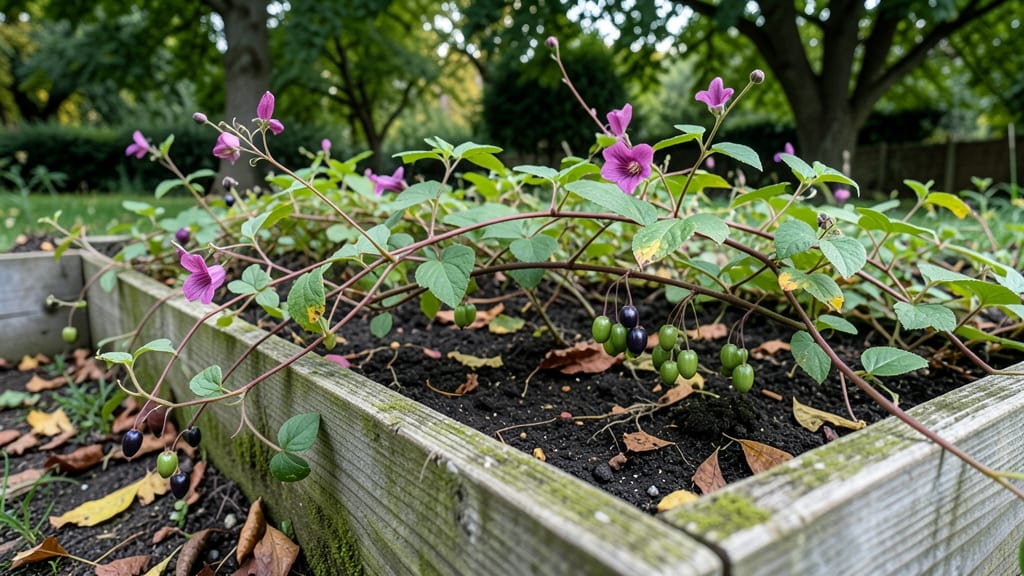
The bittersweet nightshade benefits—often overlooked despite its striking red berries—stretch far beyond its ornamental appeal, blending centuries of traditional remedies with modern intrigue. toxicity means it’s not a plant to handle casually, even in the garden.
Historically, bittersweet was valued for its astringent properties, helping with wounds and digestive issues, though modern medicine has largely replaced it with safer alternatives.
In the garden, it thrives as a fast-growing ground cover or trellis climber, but its aggressive spread can quickly turn it from a charming accent into an invasive nuisance. The real danger lies in its berries and leaves—ingestion can cause nausea, vomiting, or even neurological symptoms in pets and humans.
If you’re growing it for ornamental purposes, wear gloves, keep it contained, and never plant it near edible gardens or areas where children or pets play. For a safer alternative with similar climbing appeal, consider hops or clematis—both offer vibrant foliage and flowers without the toxicity risks.
If bittersweet is already in your yard, removal is key to preventing its spread.
📚 In This Guide
- What you need
- Instructions
- Tips and common mistakes
- Wrapping up and next steps
What you need
- ● Fresh or dried bittersweet nightshade berries – 1–2 cups (harvest from organic sources or sustainably wildcrafted plants; never from roadsides or contaminated areas).
- ● Gloves – Nitrile or latex (to avoid skin irritation from sap).
- ● Pruning shears or sharp knife – For harvesting stems/berries (sterilize with rubbing alcohol).
- ● Mortar and pestle (or food processor) – To crush berries for tinctures or teas.
- ● Glass jars with airtight lids – 2–4 jars (for storing dried berries or homemade remedies).
- ● Distilled water or high-proof alcohol (40–60% ABV) – 1 cup per batch (for tinctures or rinses).
- ● Strainer or cheesecloth – For filtering liquids.
- ● Labeling supplies – To mark dates and contents (critical for safety!).
- ● Well-draining potting soil – Mix with compost for optimal growth.
- ● Small pots or garden bed – 6–12 inches deep (partial shade preferred).
- ● Watering can or hose – Keep soil consistently moist (not soggy).
- ○ Organic fertilizer (optional) – Low-nitrogen blend to support flowering.
- ● Positive plant ID confirmation – Use a field guide or consult an expert to avoid toxic look-alikes (e.g., deadly nightshade).
- ● Allergy test – Apply a diluted berry extract to your skin 24 hours before use.
- ● First-aid kit – Include activated charcoal (for accidental ingestion).
How to cultivate and utilize bittersweet nightshade for medicinal and garden benefits
This hardy perennial delivers both practical garden value and potent medicinal properties—here’s how to grow and harness it effectively.
Identify and Select the Right Variety
Bittersweet nightshade (Solanum dulcamara) thrives in temperate climates and adapts to partial shade, making it ideal for woodland edges or understory plantings. Look for healthy vines with glossy, oval leaves and clusters of tubular flowers that transition from white to purple. Avoid plants with yellowing leaves or blackened stems, as these indicate disease or pest stress.
I prefer sourcing from organic nurseries or wildcrafting (with permission) because cultivated varieties often lose their full medicinal potency. The plant’s bittersweet flavor profile—sweet when ripe, bitter when raw—is your first clue to its bioactive compounds, including solanine and alkaloids used in traditional remedies.
Prepare the Planting Site for Optimal Growth
Bittersweet nightshade tolerates a wide range of soils but performs best in moist, well-draining loam with a pH between 6.0 and 7.5. Clear the area of weeds and till the top 6 inches of soil to improve aeration. Amend heavy clay with 1 part compost and 1 part perlite to prevent root rot, which this plant is prone to in waterlogged conditions.
Plant cuttings or divisions in early spring after the last frost, spacing them 3–4 feet apart to allow for sprawling growth. The plant’s tendrils can reach 10–15 feet, so provide a trellis or let it climb naturally on fences or shrubs. Mulch with 2–3 inches of organic matter (like shredded leaves) to retain moisture and suppress weeds—this is especially critical in the first growing season.
Cultivate for Medicinal and Ornamental Value
Bittersweet nightshade is low-maintenance but benefits from monthly feeding with a balanced organic fertilizer (10-10-10) during the growing season. Water deeply once a week, ensuring the soil remains evenly moist but not soggy. You’ll notice new growth when the vines produce bright red berries in late summer—these are your harvest signal for medicinal use.
Prune aggressively in early spring to encourage bushier growth. Cut back any dead or diseased stems to 2–3 inches above the ground, and thin out overcrowded vines to improve airflow. The plant’s tuberous roots store nutrients, so avoid disturbing them unless dividing. Harvest berries when they’re fully ripe for tinctures or dried leaves in late summer for teas.
Harvest and Process for Medicinal Uses
The berries and leaves are the most valuable parts of the plant. Harvest ripe red berries in September–October and dry them in a low-temperature dehydrator (95°F) or air-dry them in a dark, well-ventilated space. The dried berries can be crushed into a powder for topical salves or infused into vodka (1:5 ratio) for tinctures—this preserves the alkaloids for up to 2 years when stored in amber glass.
For leaf preparations, pick young, tender leaves in early summer before flowering. Steep 1 teaspoon of dried leaf in 1 cup boiling water for 10 minutes, then strain. This tea is traditionally used for anti-inflammatory and diuretic purposes, but consult a herbalist before internal use due to solanine content. Always wear gloves when handling raw plant material to avoid skin irritation.
Integrate Into Garden Design and Ecosystems
Bittersweet nightshade’s vibrant red berries and climbing habit make it a striking addition to cottage gardens, native plantings, or as a living privacy screen. Pair it with clematis or honeysuckle for a layered, seasonal display. The plant also attracts hummingbirds and bees, supporting pollinator biodiversity.
In permaculture designs, it’s a dynamic accumulator, improving soil fertility through its deep roots. Plant it near fruit trees or berry bushes to deter pests naturally—its bitter compounds act as a repellent for many garden insects. Just be cautious: the berries are toxic to pets and children, so site it where access is limited.
Tips & tricks for cultivating and harnessing bittersweet nightshade
These insights will help you maximize both the medicinal potential and garden value of your bittersweet nightshade plants.
Soil Preparation Strategy: When amending heavy clay soil with compost and perlite as instructed, I recommend adding a handful of worm castings to the mix. These provide beneficial microbes that help break down organic matter faster, giving your bittersweet nightshade an extra nutrient boost during its first critical growing season. The plant's deep roots will particularly appreciate this microbial activity, which improves nutrient uptake.
Harvest Timing Nuance: For berries destined for medicinal use, I've found that harvesting them in early October rather than September yields slightly higher alkaloid content. The cooler autumn temperatures allow the plant to concentrate its bioactive compounds. That said, don't wait past mid-October—frost will damage the berries and reduce their potency.
Processing Safety: While drying berries at 95°F is ideal, I've discovered that using a food dehydrator with a fan circulates air more effectively than passive air-drying. This prevents mold growth while preserving the alkaloids. For leaf preparations, always wear nitrile gloves—they offer better protection against solanine-induced skin irritation than latex gloves.
Garden Design Tip: If using bittersweet nightshade as a living privacy screen, I recommend installing vertical trellis panels rather than letting it climb freely on fences. This creates a more uniform barrier and makes harvesting berries much easier. The plant's natural climbing tendency means it will still thrive while giving you better access to the medicinal parts.
Pro Tips for Bittersweet Nightshade Benefits
- These insights will help you maximize both the medicinal potential and garden value of your bittersweet nightshade plants.
- Soil Preparation Strategy: When amending heavy clay soil with compost and perlite as instructed, I recommend adding a handful of worm castings to the mix.
- Harvest Timing Nuance: For berries destined for medicinal use, I've found that harvesting them in early October rather than September yields slightly higher alkaloid content.
Frequently asked questions
Got questions about bittersweet nightshade?
Whether you're curious about its uses, safety, or growing tips, we’ve got you covered. Here are some of the most common queries—and answers—to help you navigate this fascinating plant with confidence.
Is bittersweet nightshade safe to handle?
While bittersweet nightshade (Solanum dulcamara) has medicinal benefits, it contains alkaloids like solanine, which can be toxic in large amounts. Always wear gloves when handling it, avoid ingesting raw plant parts, and consult a healthcare provider before using it medicinally. Caution is key!
What are the proven health benefits of bittersweet nightshade?
Traditional uses include anti-inflammatory, antiviral, and antiseptic properties. It’s been studied for supporting immune function, easing muscle spasms, and even helping with skin conditions like eczema. However, scientific research is limited—so opt for prepared extracts or tinctures over DIY remedies.
How long does it take for bittersweet nightshade to grow and produce berries?
This hardy vine thrives in partial shade to full sun and can spread aggressively. Expect vines to climb 10–20 feet in one season, with purple-black berries appearing in late summer to fall. Prune regularly to control growth—it’s fast but manageable!
Can I grow bittersweet nightshade in containers?
Yes! While it’s invasive in gardens, containers work well if you’re cautious. Use a large pot (15+ gallons) with drainage holes, and trim roots annually to prevent overgrowth. Just avoid planting near edible crops—it’s not a neighborly plant!
What’s a safer alternative if I want similar benefits?
If you’re wary of bittersweet nightshade’s toxicity, try black elderberry (immune support), echinacea (anti-inflammatory), or calendula (skin healing). These herbs offer similar advantages with far fewer risks. Always research before swapping!
Wrapping up and next steps
Bittersweet nightshade isn’t just a striking garden plant—it’s a powerhouse of medicinal benefits and practical uses, from natural remedies to sustainable landscaping. Whether you’re drawn to its anti-inflammatory properties, ornamental charm, or ecological perks, this plant proves nature’s versatility. 🌿
Ready to explore further? Start by growing a patch in your garden or researching safe, supervised uses of its berries and leaves. With a little curiosity and care, you could unlock even more of its hidden potential!