
Blooming
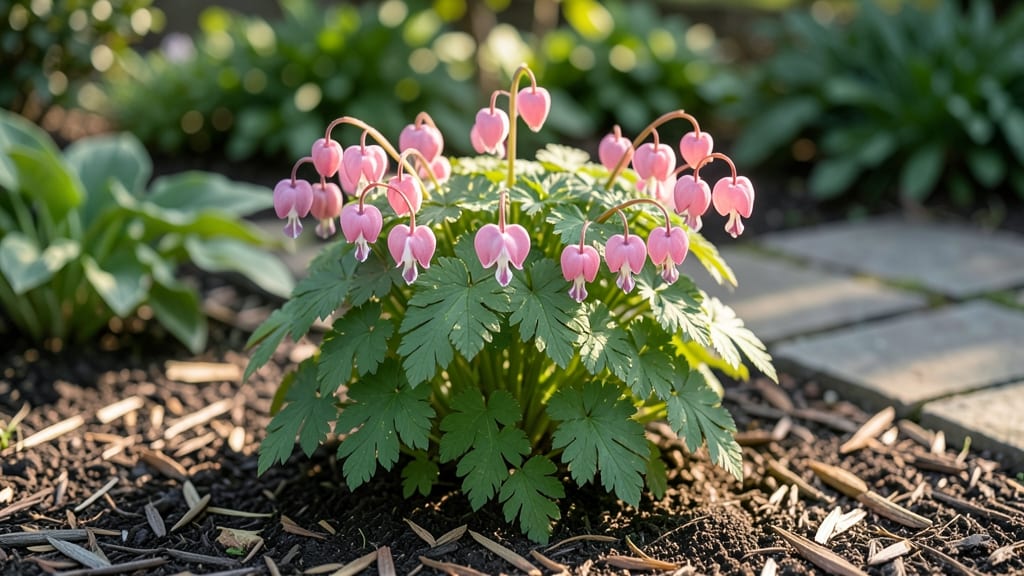
The bleeding heart flower bloom time is all about timing—spring’s fleeting show of heart-shaped blooms 💔 hinges on when you prune, plant, and care for them. If you’ve ever watched your Dicentra spectabilis fade too soon or struggle to return the next year, you’re not alone.
These shade-loving perennials typically burst into color in late spring, but their performance depends on where you live. In Zone 6, expect blooms from April through June, while cooler climates may see them linger longer.
The key? Pruning at the right moment—too early, and you cut off next year’s flowers; too late, and you risk disease.
Beyond the calendar, soil moisture and light play a surprising role. Too much sun scorches the leaves, while soggy soil invites rot. I’ll walk you through the exact steps to extend their display, adjust for your region, and avoid the pruning mistakes that leave your garden looking bare.
Ready to turn your Zone 6 garden into a springtime spectacle? Here’s how to time everything—from planting to pruning—for longer, healthier blooms year after year.
Understanding bleeding heart flower bloom time: seasonal stages explained
If you’ve ever planted bleeding heart flowers (Dicentra spectabilis) and wondered why they bloom in late spring instead of early spring, you’re not alone. These perennial favorites follow a precise seasonal rhythm that varies by USDA hardiness zone.
In Zone 6, blooms typically appear in April-May, while in cooler Zones 3-5, they might delay until May-June. Understanding these patterns helps you plan for their dormancy period and maximize next year’s display.
The bloom cycle begins in early spring when new foliage emerges from the ground. This pre-bloom stage lasts 4-6 weeks before the iconic heart-shaped flowers appear. In warmer Zones 7-8, some varieties may bloom as early as March, while northern gardens might see flowers in late May.
The key is recognizing these seasonal cues to adjust your care routine accordingly.
Here’s how climate zones shift bloom timing—plus signs of healthy vs. struggling plants to watch for:
| Stage | Zone 3-5 | Zone 6-7 | Zone 8 | Signs of Health |
|---|---|---|---|---|
| Pre-Bloom (Feb-Mar) | New leaves emerge | Leaves appear late March | Leaves by February | Bright green leaves |
| Bloom (Apr-Jun) | Late May-June | April-May | March-April | Pink/white flowers |
| Post-Bloom (Jun-Jul) | Leaves yellow | Leaves yellow | Leaves yellow | No brown spots |
| Dormancy (Aug-Oct) | Underground tubers | Underground tubers | Underground tubers | No wilting |
| Struggling Signs | Brown leaves | No flowers | Leaf scorch | Check soil/moisture |
After blooming, bleeding hearts enter dormancy by mid-summer, with foliage turning yellow and dying back. This dormant period is crucial—the plant stores energy in its underground tubers for next year’s growth.
In Zones 3-5, dormancy lasts longer due to cooler temperatures, while Zones 7-8 may see a shorter rest phase. If your plant struggles to rebloom, it might be due to overwatering or poor soil drainage during dormancy.
One common misconception is that bleeding hearts bloom only once. While they’re not repeat bloomers like annuals, their perennial nature means they’ll return year after year if cared for properly. The key to consistent blooms lies in pruning after flowering and providing partial shade.
Too much sun can stress the plant, delaying or reducing blooms. In my Zone 6 garden, I’ve found that mulching in fall helps insulate the tubers and encourages earlier spring growth.
If your bleeding heart flowers fail to bloom, check for these red flags: yellowing leaves (often a sign of overwatering), no new foliage in spring (possible root damage), or leaf scorch (too much sun).
Adjusting care based on your local climate zone can make all the difference. For example, in Zone 8, where summers are hotter, I water deeply but less frequently to prevent stress during dormancy.
For gardeners in cooler climates (Zones 3-5), extending the bloom season is
When and how to prune bleeding heart flowers for maximum blooms
Bleeding heart flowers (Dicentra spectabilis) put on their best show in spring, typically blooming from March to May in most USDA zones 3-8. But their beauty doesn’t just happen by chance—proper pruning after blooms fade is the secret to next year’s lush display.
Without it, you risk leggy growth, fewer flowers, or even losing your plant altogether. I’ve pruned these delicate beauties for years, and I’ll share exactly when and how to do it right.
Timing is critical because bleeding hearts are perennials that store energy in their roots for spring regrowth. If you prune too early or too late, you’ll disrupt their natural cycle. For example, cutting back in mid-summer sends mixed signals to the plant, confusing its dormancy phase.
The key is to wait until after the blooms fade but before the foliage turns yellow—usually late spring to early summer.
⚠️ callout warning ⚠️
Bleeding hearts bloom on old wood—last year’s growth. If you prune in early spring (before blooms appear), you’ll remove next year’s flower buds. Wait until after blooms fade (typically May-June) to avoid sacrificing flowers. Pro Tip: Mark your calendar for 2-4 weeks after blooming to prune.
Start by deadheading spent blooms as they fade. Simply pinch off the flower stems just above the first set of leaves using clean, sharp pruners. This encourages the plant to redirect energy toward new growth rather than seed production.
For a more dramatic pruning session, wait until late spring or early summer when the foliage starts to yellow. Cut back the entire plant by one-third to promote bushier, fuller regrowth for next season.
In fall, avoid any heavy pruning—bleeding hearts need their foliage to photosynthesize until the first frost. Instead, remove only dead or diseased leaves and tidy up the area. This prevents pests and diseases from overwintering.
If you live in warmer climates (zones 8-9), you might see a second, smaller bloom cycle in fall. In this case, wait until after the second bloom before pruning.
One of the biggest mistakes I see is over-pruning in early spring. Some gardeners assume they’re "helping" by cutting back bleeding hearts in March, but this removes next year’s flower buds.
Always wait until after blooms—typically June in most regions—to give your plant time to set buds for the following year. If you’re unsure, look for yellowing leaves as a signal that the plant is ready for a trim.
For maximum blooms, pair pruning with light feeding in early spring. After your late-spring prune, apply a balanced fertilizer (10-10-10) to encourage strong root and shoot growth. Mulch around the base with 2-3 inches of organic matter to retain moisture and protect roots.
With the right timing and care, your bleeding hearts will reward you with even more heart-shaped blooms next spring!