
Blooming
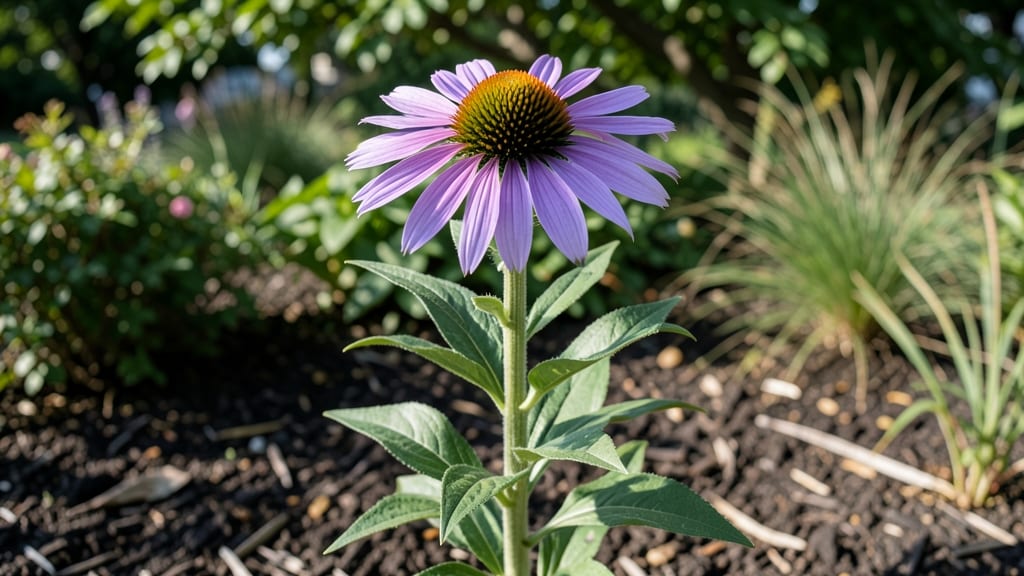
The coneflower bloom season brings vibrant purple, pink, and yellow blooms that transform gardens into pollinator hotspots — but timing is everything to make the most of their beauty.
If you’ve ever marveled at their striking flowers only to see them fade too soon, you’re not alone. The truth is, coneflower bloom times shift dramatically depending on the variety and your climate zone, which means missing the show is all too easy unless you plan ahead.
From early bloomers like Echinacea paradoxa to late-season stars like Echinacea pallida, each type has its own schedule, and USDA zones 3-10 can push bloom windows by weeks.
Whether you’re in chilly Zone 6a or a warm southern region, knowing these differences ensures you never miss a single burst of color.
Here’s how to pinpoint the perfect bloom season for your garden, plus pro tips to stretch those showstopping displays by 3+ months—so your pollinators have a longer buffet, and you get to enjoy the view for as long as possible.
Coneflower bloom season by variety: when to expect peak flowers
Timing your garden’s coneflower blooms starts with knowing which varieties thrive in your climate. Echinacea purpurea, the classic purple coneflower, typically steals the show from mid-summer to early fall, but other varieties like Echinacea paradoxa (yellow coneflower) bloom earlier.
Understanding these differences ensures you’ll have continuous color from late spring through frost.
Each coneflower variety has its own peak bloom window, influenced by genetics and growing conditions. Some, like Echinacea pallida, are early bloomers, while others, like certain Echinacea purpurea hybrids, extend their show into October.
Reblooming types can even produce second flushes with proper care, giving you extra weeks of pollinator-friendly blooms.
🌼 Key Takeaway: Plant a mix of early, mid, and late-season coneflowers to create a continuous bloom display from June through October.
| Variety | Peak Bloom Season | Reblooming Tendency | Best For |
|---|---|---|---|
| Echinacea purpurea | July–September | Moderate (with deadheading) | Pollinator gardens, borders |
| Echinacea pallida | June–August | Minimal | Early-season color |
| Echinacea paradoxa | May–July | None | Spring interest |
| Echinacea 'White Swan' | July–September | Strong (reblooms) | Cut flowers, containers |
| Echinacea 'Hot Papaya' | July–October | Moderate | Late-season blooms |
Echinacea purpurea is the most popular choice for long-lasting summer color, with its purple-pink blooms appearing from mid-July to September. This variety is also the most adaptable, thriving in USDA zones 3–9 and often reblooming if you remove spent flowers. For a prolonged display, pair it with Echinacea 'Hot Papaya', which blooms later and adds orange-copper hues to your garden.
If you want early-season blooms, Echinacea paradoxa (yellow coneflower) is your best bet, flowering from May to July. Its bright yellow petals contrast beautifully with purple varieties and attract early pollinators like bees and butterflies.
However, it doesn’t rebloom, so plant it alongside Echinacea pallida for a June–August transition.
For extended fall interest, focus on Echinacea purpurea hybrids like 'White Swan' or 'Magnus'. These varieties often produce second blooms in late summer if you deadhead regularly and provide consistent moisture.
In cooler climates (zones 3–5), their blooms may last until first frost, while warmer zones (7–9) can enjoy them into November.
Don’t overlook Echinacea pallida for drought-tolerant early blooms. This pale pink variety thrives in dry conditions and blooms from June to August, making it perfect for xeric gardens. While it doesn’t rebloom, its long, slender petals add a unique texture to wildflower meadows.
To maximize your coneflower bloom season, plant a mix of early, mid, and late bloomers. For example, start with Echinacea paradoxa in spring, transition to Echinacea pallida in early summer, and finish with Echinacea purpurea hybrids in fall.
This layered approach ensures your garden stays vibrant from May to October.
Pro tip: Deadhead spent blooms every 2–3 weeks to encourage reblooming in Echinacea purpurea varieties. Use clean, sharp pruning shears to cut back stems just above the next set of leaves. This simple step can extend your bloom season by 4–6 weeks.
🌿 Pollinator Alert: Coneflowers are a top pollinator magnet, especially for bees and butterflies. Plant them in
How climate zones shift coneflower bloom seasons (USDA guide)
Understanding how USDA hardiness zones influence coneflower bloom seasons is key to planning your garden.
In cooler northern zones (3-6), coneflowers like Echinacea purpurea typically bloom from late June to August, while in warmer southern zones (7-10), blooms may stretch from May to September—sometimes even later with proper care.
Northern gardeners in zones 3-5 often face shorter bloom windows due to early frosts, while southern gardeners in zones 8-10 enjoy prolonged displays. The difference? Heat tolerance and frost sensitivity play huge roles in when—and how long—your coneflowers shine.
- 🌡️ Zones 3-5: Blooms peak July-August; frost risk shortens season
- ☀️ Zones 6-7: Extended blooms June-September with consistent care
- 🌿 Zones 8-10: Blooms start May-June and may last until October
- ❄️ Frost-sensitive: Protect young plants in zones 3-6 with mulch
- 💧 Heat-tolerant: Zones 7-10 need regular watering to prevent early wilting
In USDA zone 4, for example, coneflowers often bloom 4-6 weeks later than in zone 8 due to cooler spring temperatures. This delay can be mitigated by choosing early-blooming varieties like 'White Swan' or providing season extenders such as row covers.
Southern gardeners in zones 9-10 may struggle with heat stress during peak summer months, causing blooms to fade faster. Drought-tolerant varieties like Echinacea paradoxa thrive here, offering longer bloom seasons with minimal extra care beyond regular deadheading.
For marginal climates like zone 6-7 transition areas, I recommend strategic planting: pair early bloomers with late-season varieties to create a continuous display. For instance, plant 'Magnus' (early) alongside 'Hot Papaya' (late) for a 6-month bloom window
To extend blooms in frost-prone zones, mulch heavily in late fall and prune back dead foliage in early spring before new growth emerges. In hot climates, provide afternoon shade during peak summer to preserve energy for reblooming.