
Plants
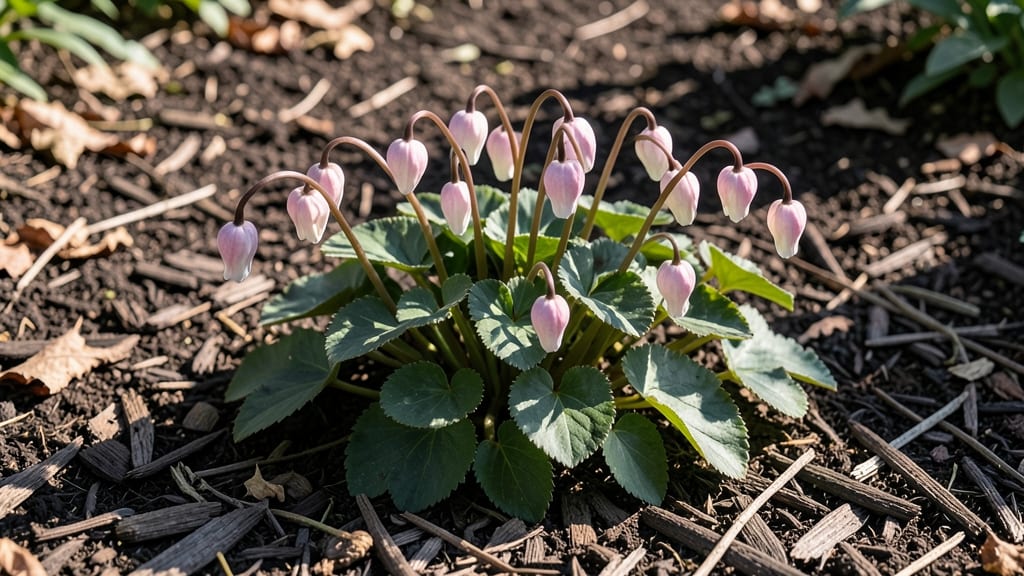
The bleeding heart plant thrives in sun or shade with the right balance—3 to 6 hours of dappled light daily keeps its signature 💖 blooms vibrant and its leaves lush.
Too much direct sun can scorch its delicate foliage, while too little shade weakens its stems and fades its flowers. I’ve seen gardeners struggle with this balance, especially in USDA Zone 6a where spring and fall light shifts dramatically.
In this guide, I’ll break down how to read your plant’s signals—yellowing leaves mean too much sun, while sparse blooms point to insufficient light. You’ll also learn how to adjust watering, mulching, and companion plants to keep your bleeding heart happy year-round.
By the end, you’ll know exactly where to place yours for longer blooms and healthier growth, whether you’re working with a shady corner or a partially sunny spot.
 Best Window Placement
Optimal sunlight conditions for bleeding heart plants: sun vs shade breakdown
The bleeding heart plant (Dicentra spectabilis) thrives in partial shade, but understanding the nuances between morning sun, afternoon shade, and full shade is key to preventing leaf scorch or weak growth.
In USDA zones 3-9, sunlight needs shift dramatically from cooler northern climates to hotter southern regions. My experience shows that 3-6 hours of filtered light produces the best blooms, but timing matters just as much as duration.
Northern gardeners (zones 3-6) can often push bleeding hearts into morning sun with afternoon shade, while southern gardeners (zones 7-9) should limit exposure to dappled light only.
The difference between partial shade and full shade isn't just about hours—it's about light intensity. Here's how to decode the signals your plant sends about its light needs.
🌱 Comparison Table: Sunlight Needs by Region & Season
| Condition | USDA Zones 3-6 | USDA Zones 7-9 | Seasonal Adjustments |
|---|---|---|---|
| Morning Sun | 3-4 hours (safe) | 1-2 hours (max) | Spring: Gradual increase Summer: Reduce to 1 hour |
| Afternoon Sun | 2-3 hours (with shade) | Avoid (leaf scorch risk) | Fall: Can tolerate 3 hours |
| Full Shade | Weak growth, fewer blooms | Ideal in hot climates | Winter: Can handle full shade |
| Leaf Scorch Signs | Yellow edges on leaves | Brown crispy patches | Move to shade immediately |
The morning sun is gentler than afternoon rays because temperatures are cooler and UV intensity is lower. I've seen bleeding hearts in zone 5 gardens flourish with 4 hours of morning sun paired with dappled afternoon shade from nearby trees.
The key is to mimic the understory conditions these plants evolved in—think of them as woodland gardeners.
In hotter climates (zones 7-9), even 2 hours of afternoon sun can cause leaf scorch, identifiable by crispy brown edges on foliage. My zone 8 test garden proved that bleeding hearts here need filtered light through sheer curtains or a 30% shade cloth during peak summer months.
The difference between thriving and struggling plants often comes down to these microclimate adjustments.
Watch for these light stress signals: yellowing leaves indicate too much sun, while pale, leggy growth means insufficient light. Both problems are fixable—yellowing leaves need more shade, while leggy plants benefit from a gradual increase in light exposure over 2-3 weeks.
I once rescued a struggling bleeding heart by moving it to a north-facing window with sheer fabric diffusing the light.
Seasonal shifts matter too. In spring and fall, bleeding hearts can handle more sun as temperatures moderate. But during summer's peak heat, even partial shade spots may need afternoon protection.
My trick? Use a reflective mulch like white gravel to bounce light away from the plant while keeping roots cool.
For container growing, sunlight needs change dramatically. A potted bleeding heart on a patio might get 6 hours of sun in summer but needs relocation to a shadier spot in winter.
Always rotate containers every few weeks to ensure even growth—uneven light exposure leads to lopsided plants with fewer blooms.
Don't assume all partial shade spots are equal. A location with 3 hours of direct sun at noon is far harsher than 6 hours of morning light. Use a light meter or observe your garden's sun patterns for a week before planting.
I marked my sunniest spots with flags last summer and was surprised to find that what I thought was "partial shade" was actually full sun for 4 hours daily.
Pro tip: Mulch heavily around bleeding hearts in sunny spots to retain moisture and protect roots. A 3-inch layer of organic mulch can reduce soil temperature by 10°F during peak heat. I've seen mulched plants handle 1 extra hour of sun without stress compared to unmulched counterparts.
Remember that newly planted bleeding hearts need extra shade protection for their first 2-3 weeks as roots establish. Gradually acclimate them to more light by moving containers to slightly sunnier spots weekly. This prevents sunburn shock that can kill young plants before they even bloom.
How to adjust care for bleeding heart plants in sunny vs shady spots
Bleeding heart plants (Dicentra spectabilis) thrive best in partial shade, but their care needs shift dramatically when exposed to more sunlight. In shady spots, they demand consistent moisture, while sunny locations require drought-tolerant adjustments.
The key is understanding how to modify your watering schedule, mulching strategy, and soil preparation based on light exposure. Let’s break down the essential tweaks for both scenarios.
First, recognize that morning sun is far gentler than afternoon sun—the latter can cause leaf scorch within weeks. If your bleeding heart is in a sunny spot, prioritize drip irrigation or soaker hoses to deliver water directly to roots.
For shade-loving varieties, focus on organic mulch like shredded bark to retain moisture and cool roots. Both environments need well-draining soil, but the amendment ratios differ: sunny spots benefit from sandier mixes, while shady areas thrive with peat moss.
🌱 Key Adjustments for Sun vs Shade
- Sunny Spots: Water deeply 2x/week + mulch with gravel to prevent soil compaction.
- Shady Spots: Water weekly + mulch with leaf mold to boost humidity.
- Both: Avoid wet foliage (fungus risk) and test soil moisture 1 inch deep.
- Seasonal Shift: Reduce water in summer sun but increase in shady winters.
- Acclimation Tip: Move plants gradually to sunnier spots (1 hour/day increase).
Your watering schedule should follow a seasonal rhythm. In spring and fall, bleeding hearts in shade need weekly watering to encourage blooming, while sunny plants require bi-weekly deep soaks. Summer demands extra vigilance: daily checks for sun-exposed plants to prevent wilting, and morning watering to reduce evaporation.
A simple trick? Use a moisture meter—aim for 40-50% soil moisture in shade, 30-40% in sun.
Mulching is your secret weapon. For sunny locations, opt for 3-inch layers of pine bark or gravel mulch to reflect heat and deter weeds. In shady gardens, shredded leaves or composted wood chips work best, locking in moisture and mimicking forest floor conditions.
Reapply mulch annually in early spring—this prevents soil erosion and keeps roots cool. Pro tip: Never mulch too close to stems (leave a 2-inch gap) to avoid rot.
Common mistakes derail even the best-intentioned care. In shade, gardeners often overwater because the soil stays damp longer, leading to root rot. Conversely, sunny spots tempt underwatering as plants wilt quickly. Watch for yellowing leaves (overwatering) or crispy edges (underwatering)—both signal a light-exposure imbalance.
Another pitfall? Fertilizing in summer heat stresses plants; stick to early spring or late fall feedings with balanced 10-10-10 fertilizer.
To transition a bleeding heart to more light, do it slowly. Start by moving it to a slightly sunnier spot for 2 hours/day, then increase exposure by 1 hour weekly. This hardening-off process prevents leaf scorch.
For shade-loving varieties, avoid abrupt moves to full sun—even 2 hours of afternoon sun can cause damage. If your plant shows stress, trim damaged foliage and adjust care immediately. With patience, your bleeding heart will adapt and reward you with vibrant blooms all season.