
Planting
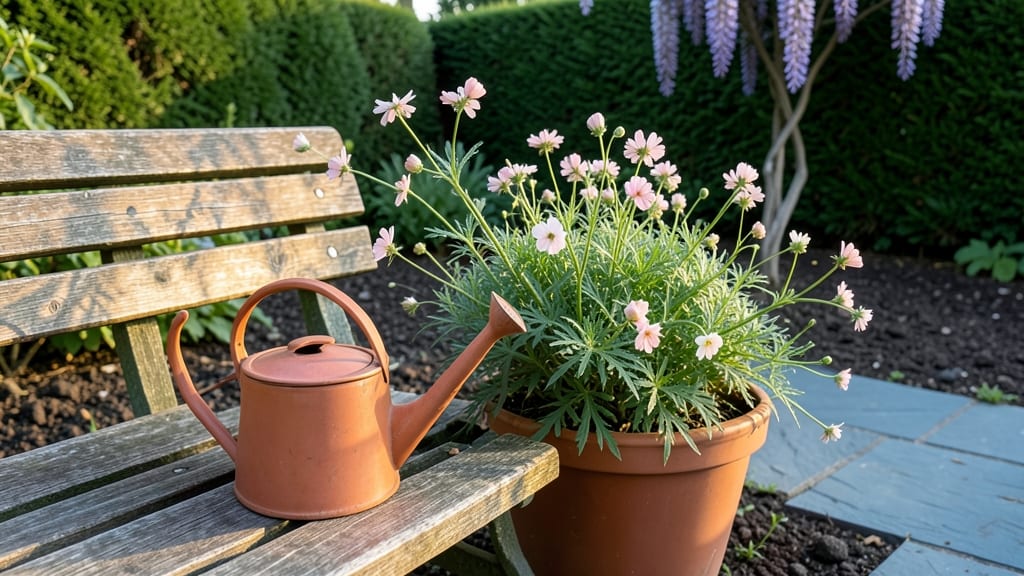
The gaura plant thrives in sun or shade—but striking the right balance ensures its delicate blooms stay vibrant while its nonstop flowering habit stays strong.
If your gaura’s leaves look crispy at the edges or flowers refuse to open, your light conditions might be the culprit. This sun-loving perennial thrives in 6+ hours of sunlight but can adapt to partial shade in hot climates—with a few key adjustments.
Most gardeners assume gaura needs full sun, but the truth is more nuanced. Some cultivars, like the compact ‘Whirling Butterflies,’ handle afternoon shade better than others, while taller varieties like ‘Candy Floss’ demand more direct light to reach their full height.
In this guide, I’ll break down how to position your gaura for maximum blooms, spot signs of light stress, and tweak its care based on your climate—so you can enjoy those airy, dancing flowers all season long.
 Best Window Placement
Gaura plant sun requirements: how much light for maximum blooms?
If you love gaura plants for their airy, nonstop blooms, you’re not alone—but many gardeners struggle to get the most from theirs. The key? Sunlight exposure is everything.
Gaura thrives in full sun, but too much can scorch its delicate foliage, while too little dims those famous pink and white flowers. Let’s break down the ideal light conditions to keep your gaura flourishing all season.
Gaura, also called beeblossom, is a sun-loving perennial that naturally grows in open meadows and prairies. In gardens, it craves 6 to 8 hours of direct sunlight daily for peak performance.
However, in hot climates like the Southwest U.S., afternoon shade can prevent heat stress and extend the blooming season. Understanding these nuances will help you position your gaura for success.
| Condition | Requirement | Notes |
|---|---|---|
| Sunlight | 6–8 hours/day | Ideal for full sun varieties like Gaura lindheimeri |
| Heat Tolerance | Moderate to high | Afternoon shade helps in zones 8+ |
| Shade Tolerance | Partial shade | Best for cooler climates or young plants |
| Signs of Stress | Wilting, brown edges | Too much sun or drought |
| Seasonal Adjustments | Flexible | Morning sun in summer, full sun in spring/fall |
For maximum blooms, aim for full sun exposure in USDA zones 5–9. In my Zone 7 garden, I place gaura in a south-facing border where it gets morning sun and afternoon shade from a nearby shrub.
This setup prevents leaf scorch while keeping the flowers vibrant. If you’re in a hotter zone, like Zone 10, consider dappled shade during peak afternoon hours (1–4 PM) to protect the plant.
Spotting sunburn signs early is crucial. Look for yellowing leaves, crispy edges, or bleached spots—these are clear signals your gaura is getting too much direct sun. In contrast, low-light stress shows as pale foliage, stunted growth, and fewer blooms.
If your gaura starts looking leggy or sparse, it’s likely not getting enough light. Gradually acclimate it to more sun over 1–2 weeks to avoid shock.
Seasonal adjustments are key to keeping gaura happy year-round. In spring and fall, when temperatures are mild, gaura can handle full sun all day.
But during summer’s peak heat, especially in southern climates, reduce direct sun to 4–6 hours daily by moving pots or pruning nearby plants. I’ve found that mulching around the base also helps retain moisture and regulate soil temperature, which indirectly supports light tolerance.
If you’re growing gaura in containers, choose a spot that gets at least 6 hours of sun and rotate the pot every few weeks. This ensures even growth and prevents the plant from leaning toward the light.
For ground-planted gaura, avoid planting near tall structures that cast deep shade for most of the day. Instead, opt for areas with filtered light, like under open-canopied trees or near trellises that allow sunlight to filter through.
One of my favorite gaura varieties, ‘Whirling Butterflies’, thrives in full sun and produces butterfly-attracting blooms from early summer until frost. However, even this sun-loving cultivar benefits from a light afternoon breeze to prevent wilting.
If your garden lacks airflow, consider placing gaura near a fan or open window to mimic natural conditions.
For new gardeners, start with partial shade if your yard is shady, then gradually increase sunlight over 4–6 weeks. This slow transition helps gaura adapt without stress. Over time, you’ll notice healthier stems, brighter flowers, and longer blooming periods.
Remember, gaura’s drought tolerance makes it a low-maintenance star, but light is non-negotiable for those iconic wispy blooms.
Pro tip: Use a light meter or observe your garden’s sun patterns throughout the day. Note where full sun transitions to partial shade—this will help you position gaura perfectly.
With the right light, your gaura will reward you with months of effortless color, making it one of the easiest perennials to grow.
🌸
Shade tolerance for gaura: when and how to protect your plant
Gaura plants thrive in full sun but can handle partial shade, especially in hot climates where afternoon sun becomes intense. The key is understanding when to provide shade and how to transition your plant gradually to avoid stress.
In USDA Zone 6a, afternoon shade can prevent leaf scorch while maintaining those nonstop blooms gaura is famous for.
If your gaura is in a hot, dry region, partial shade from 12 PM to 4 PM can work wonders. This mimics natural conditions where taller plants or structures provide dappled light.
However, too much shade—especially deep shade—will result in leggy growth and fewer blooms. Let’s explore how to strike the perfect balance.
⚠️ Warning: Gaura in Too Much Shade
Signs your gaura is struggling:
- Pale, weak stems (etiolation)
- Fewer than 5 blooms per stem
- Yellowing leaves (nutrient deficiency)
Quick fix:
Move to bright indirect light or prune nearby shade sources. Gradually increase sunlight over 2-3 weeks to avoid shock.
Transitioning gaura from shade to sun requires patience. Start by placing it in a morning sun spot for a few hours daily, then slowly extend its sun exposure.
Use a lightweight shade cloth (30-50% block) if direct sun feels too harsh. This method prevents sunburn while allowing the plant to adapt to brighter conditions.
For container-grown gaura, rotate pots weekly to ensure even light exposure. This prevents the plant from leaning toward the sun, which can weaken its structure. If you notice one-sided growth, it’s a clear sign your gaura needs a more balanced light source.
A south-facing window or a spot under a dappled tree canopy often works best.
In cooler climates, gaura can handle more direct sun, especially in spring and fall. However, even here, afternoon shade in summer months can improve bloom longevity. Watch for wilting or crispy leaf edges—these are red flags that your gaura is getting too much sun.
Adjust accordingly by adding temporary shade or moving the plant.
Pro tip: Mulch around your gaura’s base with organic matter like compost or straw. This helps regulate soil temperature, reducing stress from heat fluctuations in partially shaded areas.
Pair this with consistent watering (deep soaks once a week) to keep roots happy during transitions. Your gaura will reward you with vibrant blooms all season long!