
Plants
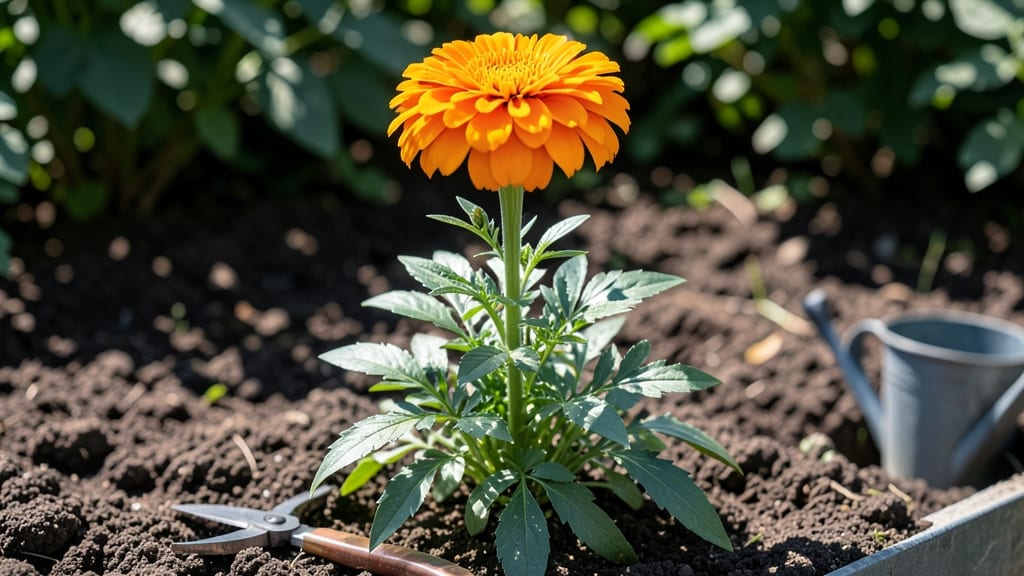
Wondering do marigolds like sun or shade, you’ll love knowing they adore full sun—at least 6 hours daily—for their brightest, boldest blooms 🌼.
Picture this: your marigolds stretching tall and leggy, their petals pale and sparse instead of the fiery display you planted for. That’s what happens when they don’t get enough sunlight, and it’s a common mistake even experienced gardeners make.
These sun-loving plants need bright conditions to flourish, but too much shade can turn them into weak, underperforming shadows of their potential. The good news? With the right placement—whether in garden beds or containers—you can give them the light they crave for vibrant, long-lasting blooms.
In this guide, I’ll break down exactly how much sun marigolds need, how to spot when they’re struggling, and even share tips for varieties that tolerate a little less light. Let’s get those marigolds shining bright!
 Best Window Placement
How much sun do marigolds need for optimal growth?
Marigolds thrive in full sun, but understanding their exact light needs can mean the difference between vibrant blooms and leggy, weak plants. These sun-loving annuals need at least 6-8 hours of direct sunlight daily to produce their signature bright orange, yellow, or gold flowers.
Without enough light, they’ll stretch toward any available rays, creating a spindly growth habit that’s less stable and less productive.
I’ve learned from experience that marigolds in partial shade (less than 6 hours of sun) will still grow, but their blooms will be smaller and fewer. The key is balancing their love for sunlight with your garden’s microclimate.
For example, in hot climates, afternoon shade can prevent heat stress, while in cooler regions, morning sun paired with afternoon shade works well.
🌼 Did You Know? Marigolds can actually tolerate up to 10 hours of sun in ideal conditions, but anything beyond that may cause leaf scorch or wilting, especially in high-heat zones like the Southwest. Always monitor your plants for signs of stress, like crispy leaf edges or drooping flowers.
| Sunlight Requirement | Ideal Hours/Day | Effect on Growth | Best For |
|---|---|---|---|
| Full Sun | 6-8 hours | Vibrant blooms, strong stems | Border plantings, containers |
| Partial Shade | 3-6 hours | Smaller blooms, leggy stems | Under trees, north-facing beds |
| Deep Shade | <1-3 hours | Poor flowering, weak growth | Avoid for marigolds |
| Afternoon Shade | Morning sun + afternoon shade | Healthy growth in hot climates | Southwest gardens, containers |
When planting marigolds, I always prioritize south-facing locations in my garden, as they receive the most direct sunlight throughout the day. If your yard lacks natural sunlight, consider using reflective surfaces like white gravel or light-colored walls to bounce extra light onto your plants.
This trick can add 1-2 extra hours of effective sunlight, making a noticeable difference in bloom quality.
Seasonal adjustments are crucial, too. In spring and fall, marigolds can handle partial shade as the sun isn’t as intense, but by summer, they’ll demand full sun exposure to prevent bolting or flowering decline.
I’ve found that moving potted marigolds to sunnier spots during peak summer months can double their flowering compared to leaving them in fixed shade.
One common mistake I’ve seen is assuming that bright light and full sun are the same. While both provide ample light, full sun means direct rays for most of the day, whereas bright light might include indirect rays or filtered light through trees.
Marigolds need that direct UV exposure to trigger photoperiodism, the process that signals them to bloom.
If you’re growing marigolds in containers, place them on a sunny patio, balcony, or deck where they’ll get unobstructed sunlight. Rotate pots weekly to ensure even growth, as plants tend to lean toward the light source.
In my experience, container-grown marigolds often outperform in-ground plants because you can move them to follow the sun’s path.
Watch for visual cues that your marigolds aren’t getting enough light. Pale leaves, long stems, and fewer blooms are all red flags. On the flip side, yellowing leaves or wilting can indicate too much sun, especially in high-heat zones.
The goal is to find that sweet spot where your marigolds get plenty of light without heat stress.
For the boldest blooms, aim for 6-8 hours of morning sun paired with light afternoon shade if you’re in a hot climate. This balance helps marigolds thrive without overheating, resulting in larger, brighter flowers that last all season.
With the right light conditions, your marigolds will reward you with nonstop color from early summer to frost.
Remember, marigolds are sun worshippers, but like all plants, they appreciate a little care and attention to their light needs. By giving them the ideal sunlight exposure, you’ll enjoy
Signs your marigolds aren’t getting enough sun (and how to fix it)
If your marigolds are looking more like sad, stretched-out sticks than the bold, cheerful blooms you planted, light deprivation is likely the culprit. These sun-loving plants will thin out their leaves and produce fewer flowers when they don’t get enough sunlight.
The good news? Recognizing the signs early means you can revive your marigolds with simple fixes.
Marigolds thrive in full sun conditions, which means at least 6-8 hours of direct sunlight daily. When they don’t get enough light, they’ll start showing clear visual cues. The first sign is usually elongated stems as the plant stretches toward any available light source.
You might also notice smaller, sparse blooms or leaves that look pale and weak compared to their usual vibrant green.
Marigolds are sun worshippers, not shade lovers. While they can tolerate 3-4 hours of partial shade, anything less will cause:
- Leggy growth (stems stretching unnaturally)
- Fewer blooms (or none at all)
- Pale, weak leaves (losing their rich green color)
Fix it now: Move plants to sunnier spots immediately and prune leggy stems to encourage bushier growth.
One of the most obvious red flags is yellowing leaves, especially on the lower stems. This happens when the plant can’t produce enough energy through photosynthesis due to insufficient light.
Another telltale sign is delayed or stunted flowering—your marigolds might produce buds that never fully open or take much longer to bloom than usual. Even if they do flower, the blooms may be smaller and less vibrant than their sun-soaked counterparts.
To fix these issues, start by relocating your marigolds to a sunnier spot in your garden. If you’re growing them in containers, move the pots to a south-facing location where they can soak up maximum sunlight.
For garden beds, consider removing taller plants or structures that might be casting shade over your marigolds. Even just a few extra hours of sunlight can make a dramatic difference in their health and flowering.
For immediate results, try pruning leggy stems to encourage bushier growth. Cut back the elongated stems by about one-third to promote new, stronger growth from the base. This not only helps the plant look better but also redirects its energy toward producing more flowers.
Pair this with regular deadheading to keep the plant focused on blooming rather than seed production.
If you’re dealing with a shady spot that can’t be improved, consider companion planting with taller, sun-loving plants that won’t compete for light.
For example, planting marigolds near tomatoes or peppers can work well if the taller plants provide some shade during the hottest part of the day while still allowing plenty of morning and afternoon sun. Just remember: marigolds need light, so even partial shade should be temporary and minimal.