
Blooming
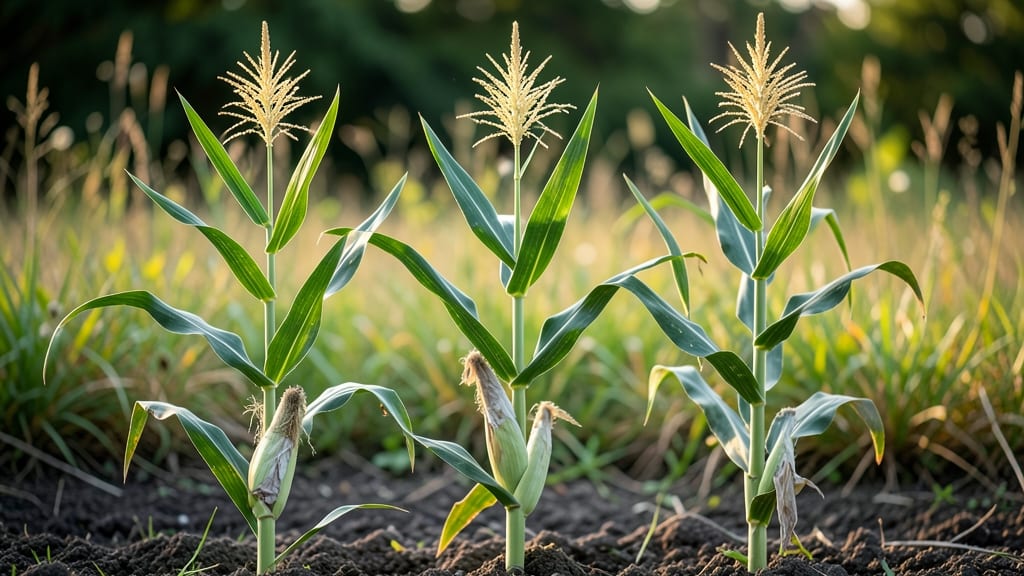
Growing Bloom New Zealand means creating the right conditions—cool climates, well-drained soil, and bright indirect light. These plants love consistent moisture but hate soggy roots, and a light spring feeding keeps their flowers vibrant all season. Pruning after blooming helps them stay lush and full.
Bloom New Zealand plants—like the Corokia cotoneaster or Kowhai—love Kiwi’s mild, maritime climate but adapt well to other cool regions too. 🌿 The key is mimicking their natural habitat: think dappled sunlight under native trees and soil that drains fast to prevent root rot.
I’ve seen them thrive in containers with a mix of potting soil and perlite, especially in urban gardens where space is tight. What’s fascinating is how they respond to seasonal changes—spring brings bold flowers, while autumn’s cooler temps help them rest before winter.
For long-lasting blooms, timing matters most. After the flowers fade, trim back one-third of the plant to encourage new growth, but avoid heavy pruning in late summer—it can cut off next year’s buds.
A balanced fertilizer with equal parts nitrogen, phosphorus, and potassium in spring gives them the energy they need without overpowering their delicate roots. I always recommend organic options like fish emulsion for a gentler boost, especially for gardeners who prefer chemical-free methods.
💡 In This Article
- Ideal Growing Conditions for Bloom New Zealand
- Pruning and Fertilizing Tips for Long-Lasting Blooms
Ideal growing conditions for Bloom New Zealand
Bloom New Zealand plants—like the native Kowhai or Corokia—evolved in New Zealand's temperate climate, where winters stay cool (40-50°F) and summers rarely exceed 75°F. These conditions create their perfect balance of dormancy and active growth.
The key is replicating this maritime influence: think coastal gardens with 60-70% humidity and protection from harsh winds that can dry out leaves. In drier inland areas, mulching with organic matter (like pine bark) helps retain moisture while mimicking the forest floor their ancestors grew on.
The soil requirements are just as critical—these plants despise soggy roots but need consistent moisture. Aim for a mix that drains within 2-3 hours after watering, combining 60% native loam, 20% coarse sand, and 20% compost.
A pH between 5.5-6.5 (slightly acidic) mimics their natural environment, where fallen leaves and organic debris gradually acidify the soil. For container growing, add 20% perlite to prevent compaction, which can strangle roots in small spaces.
Sunlight needs vary by species, but most Bloom New Zealand varieties thrive in partial shade (4-6 hours of direct sun daily), especially in hotter regions.
The Kowhai, for example, develops its signature golden flowers when receiving morning sun and afternoon shade, while Corokia can handle full sun (6+ hours) if given afternoon relief.
What's fascinating is how their leaves respond: under too much direct sun, they'll develop a reddish tint (a stress signal), while too little light leads to sparse blooming. 🌿
Temperature tolerance is another game-changer. While these plants survive down to 20°F with proper mulching, prolonged exposure to below 32°F can damage new growth. In frost-prone areas, plant them near south-facing walls where winter sun provides gentle warmth.
The secret lies in their adaptability: native New Zealand plants have evolved to handle microclimates, so even a small garden can create ideal conditions with the right placement and protection.
Watering strategy makes all the difference. These plants prefer 1-1.5 inches of water weekly during active growth (spring-fall) but need 30-50% less in winter. The trick is watering deeply once a week rather than frequent shallow drinks, which encourages deep root development.
Overwatering is the #1 killer—roots left in damp soil for more than 48 hours start to suffocate, leading to yellowing leaves and bud drop. A simple soil moisture meter helps track when to water, but sticking your finger 2 inches deep is a free, reliable test.
For gardeners in warmer climates (like northern California or Oregon), creating a "cool microclimate" works wonders. Plant Bloom New Zealand near deciduous trees that provide summer shade or use shade cloth (30-50%) during peak afternoon heat.
I've seen Kowhai plants in urban containers thrive with a 10-gallon pot placed on a drip irrigation system set to 15 minutes every other day—the consistent moisture without waterlogging is the magic touch.