
Blooming
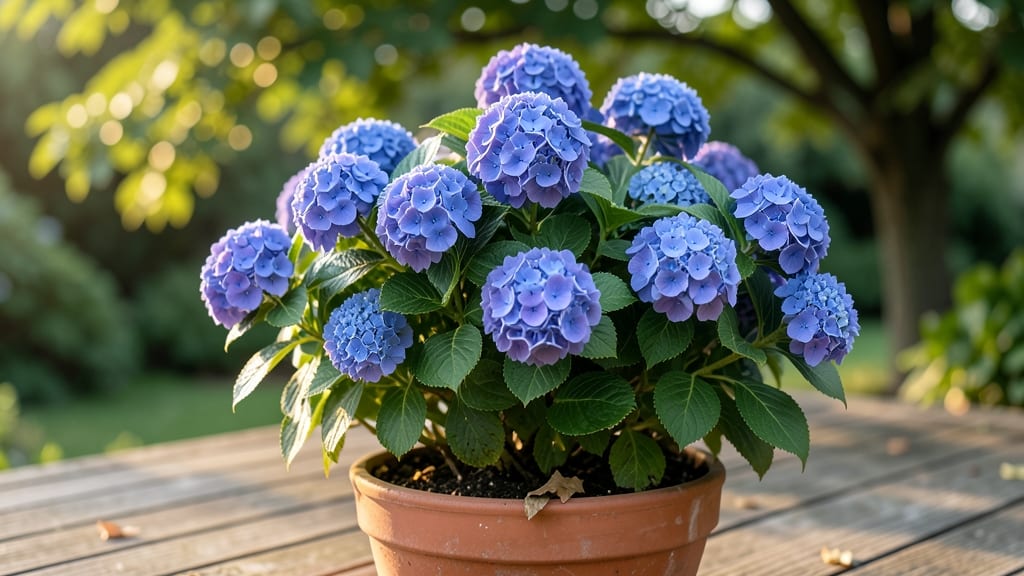
The bobo hydrangea bloom time falls in late spring to early summer, typically producing its showstopping 🌸 clusters between May and June in most regions.
If you’ve ever wondered why your Bobo hydrangea’s blooms seem to vanish after one season—or how to coax it into a second flush of flowers—you’re not alone. This compact, cascading beauty follows a precise bloom cycle, and with the right care, you can extend its flowering season dramatically.
Unlike some hydrangeas that rely on old wood for blooms, Bobo hydrangeas flower on new growth, meaning strategic pruning in late winter or early spring can encourage a second round of blooms later in the summer.
Sunlight, soil moisture, and even your local climate play a role in timing, so let’s break down how to keep those flowers coming.
From understanding your zone’s frost dates to the best pruning techniques, you’ll learn how to trigger those reblooms and keep your Bobo hydrangea looking its best all season long.
Bobo hydrangea bloom time: seasonal timeline & flowering stages
Understanding your Bobo hydrangea bloom time is key to maximizing its stunning pink or blue flowers. Unlike some hydrangeas, Bobo blooms on new wood, meaning it can produce two flushes of flowers per season with proper care.
The primary bloom occurs in late spring to early summer, but a second, smaller flush often appears in late summer.
Your climate zone plays a huge role in bloom timing. In USDA Zones 6-9, where Bobo thrives, the main bloom arrives between May and June, while cooler zones (like Zone 5) may see blooms delayed until June or July.
Warmer southern zones (Zone 10+) might bloom as early as April.
Here’s a quick visual guide to Bobo hydrangea’s bloom cycle, including how to adapt care for each stage:
| Stage | Bloom Time | Key Features | Care Tips |
|---|---|---|---|
| Bud Formation | Late Winter (Feb-Mar) | Swollen buds appear on new growth | Avoid pruning; protect from late frosts |
| Primary Bloom | May-June | Largest, most vibrant flowers | Deadhead spent blooms to encourage rebloom |
| Second Flush | August-September | Smaller blooms on new growth | Fertilize lightly in July for best results |
| Dormancy | October-November | Leaves turn brown; growth stops | Mulch heavily to protect roots |
The duration of blooms depends on your climate and care routine. In ideal conditions, Bobo hydrangeas can flower for 6-8 weeks continuously with proper deadheading. The second flush typically lasts 3-4 weeks but may be shorter in cooler regions.
If you live in a warmer southern climate, your Bobo might start blooming as early as April and continue through September. However, in northern zones, blooms may appear later (June) and fade by August.
The key difference? Heat and sunlight accelerate growth, while cool nights can delay bud opening.
One common misconception is that Bobo hydrangeas bloom only once. In reality, they’re reblooming varieties when given the right conditions. The secret to a second flush lies in light pruning after the first bloom and maintaining consistent moisture. Without these steps, you’ll likely see only one seasonal display.
During dormancy (fall/winter), your Bobo hydrangea isn’t just resting—it’s preparing for next year’s blooms. This is when root development happens, fueling next season’s flowers. Avoid pruning during dormancy, as you risk removing next year’s buds hidden in the stems.
For extended bloom seasons, focus on three critical factors: moisture, sunlight, and nutrients. Bobo hydrangeas thrive in partial shade (4-6 hours of sun) and well-draining, acidic soil. A balanced fertilizer applied in early spring and mid-summer will encourage lush foliage and abundant blooms.
Pro tip: If your Bobo’s blooms are smaller than expected, it might be getting too much direct sun or not enough water. These plants hate drought stress, so mulch heavily to retain moisture. In hot climates, afternoon shade can prevent flower scorch and extend the bloom period.
🌸
How to trigger reblooms in Bobo hydrangeas: pruning & care tips
Bobo hydrangeas are known for their stunning cascading blooms, but many gardeners struggle to get a second flush of flowers. The key lies in understanding their bloom cycle and adjusting your care routine accordingly.
Unlike some varieties that bloom on old wood, Bobo hydrangeas produce flowers on new growth, giving you a better chance to encourage reblooming with the right techniques.
To maximize your chances, focus on three critical areas: deadheading, seasonal pruning, and fertilizer timing. Each plays a unique role in signaling your plant to produce more blooms.
For example, removing spent flowers at the right time can redirect the plant's energy toward new growth, while pruning too late in the season might cut off next year's blooms entirely.
⚠️ WARNING: Common Mistake Alert! Many gardeners accidentally prune their Bobo hydrangeas at the wrong time, which can eliminate next year's blooms. Unlike old-wood bloomers, Bobo hydrangeas set buds on new growth in spring. Pruning after mid-summer removes potential flower buds for the following season.
Always prune in late winter or early spring before new growth begins. If you missed the window, wait until after blooming to prune, but be prepared for fewer flowers next year.
Start by deadheading spent blooms throughout the summer. Use clean, sharp pruners to snip just above the first set of healthy leaves below the flower cluster. This encourages the plant to redirect its energy toward new growth rather than seed production.
Aim to deadhead every 2-3 weeks during the blooming season for best results.
Next, focus on seasonal pruning. In late winter or early spring, cut back up to one-third of the plant's height to promote bushier growth and more blooms. Remove any dead or diseased branches first, then shape the plant by cutting back to an outward-facing bud.
Avoid heavy pruning in fall or winter, as this can stress the plant before dormancy.
Fertilizer plays a crucial role in reblooming. Use a balanced fertilizer (like 10-10-10) in early spring to encourage new growth, then switch to a bloom-boosting formula (higher in phosphorus) in mid-summer4-6 weeks during the growing season, but avoid fertilizing in fall or winter when the plant is dormant.
Finally, maintain consistent watering and mulching. Bobo hydrangeas thrive in moist, well-draining soil, so water deeply 1-2 times per week during dry spells. Apply a 2-3 inch layer of mulch around the base to retain moisture and regulate soil temperature.
With these care tips, you can extend your Bobo hydrangea's blooming season and enjoy stunning flowers well into fall.