
Shrubs
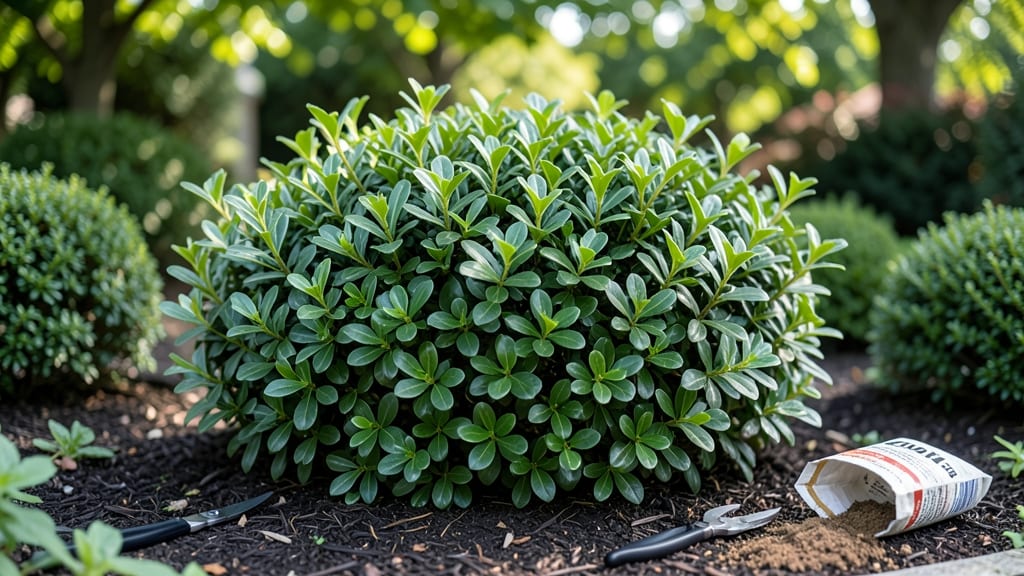
The remarkable boxwood shade tolerance makes them the unsung heroes of dim corners—where others wither, they flourish, and my evergreen shrubs under oaks prove it every season. 🌿 adapting care accordingly. The right variety, soil prep, and pruning can turn even the darkest corner into a lush, year-round green backdrop.
Not all shade is equal—boxwoods handle partial shade (3-6 hours of filtered light) better than deep, dense darkness. Test your spot: if you can barely see shadows at midday, choose compact varieties like 'Winter Gem' or 'Green Velvet,' which handle lower light better than tall, upright types.
Leggy growth or pale foliage? That’s your cue to thin nearby branches or add a reflective surface (like a light-colored wall) to bounce what little light exists onto the plants.
Soil makes the difference between thriving and just surviving. Amend heavy, compacted shade soil with compost and coarse sand to improve drainage and root health—boxwoods hate soggy feet.
A balanced fertilizer (10-10-10) in early spring gives them the boost they need to fill out, and a light pruning in late winter keeps their shape tight. The payoff? Year-round structure, texture, and that signature boxwood sheen even in the gloomiest spots.
Troubleshooting is easy once you know the signs: yellowing leaves mean too much shade or poor drainage; sparse new growth signals a need for more nutrients. For extra insurance, mulch with 3 inches of organic matter to regulate soil temperature and moisture.
With these tweaks, your boxwoods will stay the picture-perfect, low-maintenance stars of the garden—no sunny spot required.
📚 In This Guide
- What you need
- Instructions
- Tips and common mistakes
- Wrapping up and next steps
What you need
- ● Boxwood plants: Choose Buxus sempervirens (common boxwood) or Buxus 'Green Velvet' (shade-tolerant varieties). Buy 3–5 plants per 10-foot area for full coverage.
- ● High-quality soil: 50 lbs of organic compost or 1 part peat moss + 1 part perlite to improve drainage in dense shade.
- ● Slow-release fertilizer: 10-10-10 or 12-4-8 (shade-tolerant formula), 1 lb per 10 sq ft.
- ● Mulch: 2–3 inches of shredded bark or pine needles to retain moisture and suppress weeds.
- ● Garden trowel or shovel (for planting and soil amendments).
- ● Pruning shears (sharp, bypass-style for clean cuts).
- ● Garden hose or watering can (with a fine rose nozzle for gentle watering).
- ● Measuring tape (to space plants 3–4 feet apart).
- ● Gloves (heavy-duty for soil work).
- ● Shade fabric (30–50% coverage) for newly planted boxwoods in very dense shade.
- ● Epsom salt (1 tbsp per plant) to boost magnesium in nutrient-poor soils.
- ● Soil pH test kit (ideal range: 6.0–7.0; amend with lime if needed).
- ● Drip irrigation system for consistent moisture in dry shade.
How to select and plant boxwoods for thriving in deep shade
Boxwoods aren't just shade-tolerant—they're masters of it. Here's how to choose and establish them where light is scarce.
🌿 Step 1: Choose the Right Boxwood Variety for Your Light Conditions
Not all boxwoods handle deep shade equally. For full to partial shade (2-4 hours of direct sun), reach for varieties like 'Green Velvet' or 'Winter Gem'—they maintain dense foliage with minimal light. These cultivars have naturally smaller leaves that photosynthesize more efficiently in low light.
If your site gets less than 2 hours of sun daily, opt for semi-dwarf types like 'Little Gem' or 'Winter Beauty'. Their slower growth rate means they won't outpace their light source. Avoid tall varieties like 'American Holly' in deep shade—they'll grow leggy and sparse. Look for tags specifying "shade-tolerant" or "low-light adapted."
🪴 Step 2: Prepare the Planting Site with Amended Soil
Boxwoods in shade need well-draining, moisture-retentive soil to prevent root rot. Work 2-3 inches of compost into the top 12 inches of native soil at the planting site. This improves aeration while retaining moisture—critical in shaded areas where evaporation slows.
Test your soil's moisture level before planting. If it stays soggy for more than a day after rain, amend with 10% perlite or coarse sand to improve drainage. Boxwoods hate wet feet, especially in shade where air circulation is poor. Dig a hole twice as wide as the root ball but no deeper—this encourages outward root growth where soil is loose and oxygen-rich.
☀️ Step 3: Plant at the Correct Depth and Water Thoroughly
Position the boxwood so the top of the root ball sits 1 inch above ground level. This prevents stem rot from sitting water. Gently remove the plant from its container and tease apart any circling roots with your fingers—this helps roots spread into the new soil instead of staying compacted.
Backfill with native soil mixed with compost, tamping lightly as you go to eliminate air pockets. Water immediately with 1 gallon of water per plant, letting it soak in completely. The soil should feel moist 6 inches deep after watering. Mulch with 2-3 inches of shredded bark, keeping it 3 inches away from the stem to prevent rot.
💧 Step 4: Adjust Watering and Fertilizing for Shade-Grown Boxwoods
Shade-grown boxwoods need consistent moisture but less frequent watering than sun-exposed plants. Water once weekly during the first growing season, checking that the top 2 inches of soil remain slightly damp. In deep shade, you'll notice wilting less visibly—feel the leaves instead. Press a finger into the soil; if it feels dry, water deeply.
Fertilize lightly in spring with a balanced 10-10-10 formula at half strength. Too much nitrogen in shade causes weak, sparse growth. Avoid fertilizing in fall or winter—boxwoods are semi-dormant and won't use the nutrients. You'll see healthy growth when new leaves emerge in early spring, bright green and glossy rather than yellowing.
✂️ Step 5: Prune Strategically to Maintain Shape and Health
Boxwoods in shade need less aggressive pruning, but timing matters. Prune after flowering (late spring) to avoid cutting off next year's buds. Use sharp, clean shears to make cuts just above a leaf bud or branch junction. Never cut into old wood—it won't regrow.
Shape gradually over 2-3 years to avoid shocking the plant. In deep shade, you'll prune less frequently—every 2-3 years is typical. Watch for yellowing leaves in spring; this often signals over-pruning or poor drainage. If you see it, reduce pruning and increase mulch to protect roots.
Tips & tricks for perfect boxwood shade tolerance
Here's what nobody tells you about keeping boxwoods thriving in deep shade—these tricks make all the difference.
Variety Selection Matters: When choosing between 'Green Velvet' and 'Winter Gem' for full to partial shade, pay attention to leaf size. Smaller leaves like those on 'Green Velvet' photosynthesize more efficiently in low light, which translates to denser foliage and fewer gaps. If your site gets less than 2 hours of sun, 'Little Gem' is my go-to—its compact growth habit prevents it from outgrowing its light source. I've seen 'American Holly' struggle in deep shade, so avoid it unless you're willing to deal with leggy growth.
Soil Preparation Secret: The 2-3 inches of compost you mix into the top 12 inches of soil isn't just about nutrients—it's about creating the perfect moisture balance. In shaded areas, evaporation slows dramatically, so this amendment helps retain water while still allowing excess to drain. Pro tip: If your soil stays soggy for more than a day after rain, that 10% perlite or coarse sand becomes non-negotiable. I've lost too many boxwoods to root rot in poorly draining shade spots to ignore this step.
Planting Depth and Watering: That 1-inch elevation above ground level for the root ball isn't arbitrary—it's about preventing stem rot from sitting water. After planting, when you water that gallon per plant, let it soak in until the soil feels moist 6 inches deep. This ensures the roots establish properly in the amended soil rather than just wetting the surface. And that 2-3 inches of mulch? Keep it 3 inches away from the stem to prevent moisture buildup that can cause rot.
Pruning Wisdom: The late spring timing for pruning after flowering is crucial because boxwoods develop next year's buds on current season's growth. When shaping over 2-3 years, make cuts just above a leaf bud or branch junction—never cut into old wood. In deep shade, you'll naturally prune less frequently, but watch for yellowing leaves in spring as your early warning system. It's usually a sign you've either over-pruned or have drainage issues.
Pro Tips for Boxwood Shade Tolerance
- Here's what nobody tells you about keeping boxwoods thriving in deep shade—these tricks make all the difference.
- Variety Selection Matters: When choosing between 'Green Velvet' and 'Winter Gem' for full to partial shade, pay attention to leaf size.
- Soil Preparation Secret: The 2-3 inches of compost you mix into the top 12 inches of soil isn't just about nutrients—it's about creating the perfect moisture balance.
Frequently asked questions
Got questions about growing boxwoods in shade?
You’re not alone! Here are answers to the most common queries about keeping these shade-loving shrubs thriving—from sunlight needs to troubleshooting issues.
How much shade can boxwoods really handle?
Boxwoods thrive in partial to full shade, but they need at least 4–6 hours of indirect light daily for optimal growth. In deep shade (<3 hours of light), they’ll grow slowly and may become sparse. For dense foliage, aim for morning sun + afternoon shade in hot climates.
Will boxwoods grow in full shade with no sunlight?
While boxwoods can survive in full shade, they’ll likely become leggy, sparse, and prone to pests. If your yard has no sunlight, consider dwarf varieties (like ‘Green Velvet’) or container-grown boxwoods near windows for better light access. Supplement with reflective surfaces or grow lights if needed.
What’s the best way to transition boxwoods from sun to shade?
Move boxwoods gradually to avoid shock! Start by pruning back 1/3 of the foliage to reduce stress, then acclimate them over 2–3 weeks by slowly increasing shade. Water deeply 2–3 times per week during the transition. Pro tip: Mulch with 3 inches of organic matter to retain moisture.
Why are my boxwoods turning yellow or brown in shade?
Yellowing leaves often signal overwatering, root rot, or nutrient deficiency in shade. Check for soggy soil (fix with better drainage) or pale green foliage (add iron or chelated fertilizer). Brown edges? It could be dehydration or spider mites—spray with water and inspect undersides of leaves.
Are there shade-tolerant boxwood alternatives?
If boxwoods struggle in your shade, try these low-light shrubs:
- Dwarf Holly (Ilex) – Glossy leaves, berries, and pest-resistant.
- Inkberry Holly (Ilex glabra) – Thrives in full shade, drought-tolerant.
- Pieris Japonica (Andromeda) – Stunning spring blooms, loves shade.
- Heuchera (Coral Bells) – Colorful foliage, great for deep shade gardens.
Wrapping up and next steps
Boxwoods are the unsung heroes of shady gardens—thriving where others falter! Their remarkable shade tolerance makes them perfect for low-light spots, from dense forests to cozy backyard corners. With the right care (like well-draining soil and occasional pruning), they’ll reward you with year-round greenery and structure.
Ready to transform your shady space? Start by selecting the right variety (like ‘Green Velvet’ or ‘Winter Gem’) and give them the love they deserve. Plant one today—your future lush, low-maintenance hedge is waiting! 🌿✨