
Shrubs
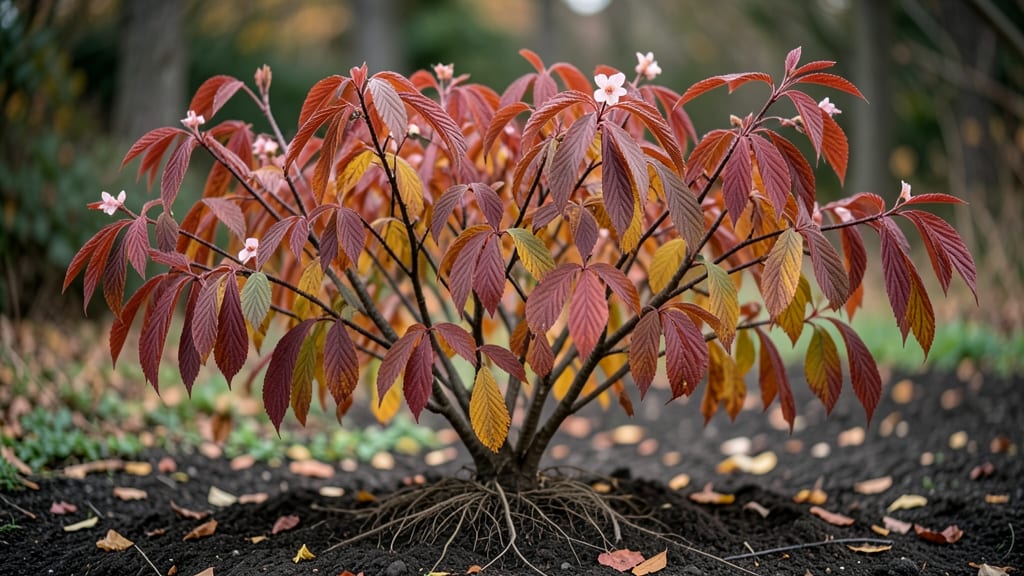
Shade-tolerant burning bush plants 🌿 can turn your darkest garden corners into vibrant, low-maintenance focal points—even when sun-starved.
Struggling to keep your shady garden corners vibrant? The right shade-tolerant burning bush varieties can transform dull spaces into year-round bursts of color—without sacrificing health or blooms.
Many gardeners assume shade means giving up on bold foliage and flowers, but Euonymus alatus thrives where others fail, delivering deep reds, purples, and golds that brighten even the gloomiest spots.
In this guide, I’ll cover the best shade-tolerant varieties, how to maximize blooms in low light, and common mistakes that kill these hardy shrubs—so you can enjoy year-round color with minimal effort.
 Best Window Placement
Best shade-tolerant burning bush varieties for dark gardens
If your garden has those tricky, dimly lit corners where most plants struggle to thrive, you’re not alone. The right shade-tolerant burning bush varieties can turn those forgotten spaces into vibrant focal points.
These cultivars don’t just survive in low light—they thrive, delivering stunning foliage and seasonal blooms with minimal fuss. Let’s explore the top performers that bring color to your darkest garden nooks.
Not all burning bushes handle shade equally. Some varieties wilt in low light, while others flourish under tree canopies or along north-facing walls. The key lies in selecting cultivars bred for partial to full shade conditions.
Below, we’ll compare the best options, including their growth habits, color intensity, and adaptability to different shade levels.
Comparison Table: Top Shade-Tolerant Burning Bush Varieties
The 'Royal Purple' stands out for its dramatic deep purple-red foliage, making it perfect for creating a striking focal point in deep shade. Its ability to handle full shade while maintaining vibrant colors is unmatched among burning bush varieties.
This cultivar grows to a tall stature (6-8 ft), so it’s ideal for filling large, empty spaces under trees or along fences.
For smaller gardens or container plantings, 'Dwarf Fires' is a game-changer. This compact variety reaches only 3-4 ft tall but packs a punch with its bright orange-red leaves.
It thrives in partial shade, making it versatile for patios, balconies, or mixed borders where space is limited. Its smaller size also means less pruning maintenance over time.
If you’re looking to attract pollinators, 'Annabelle' is a fantastic choice. While its foliage is green, it produces showy pink blooms that butterflies and bees adore.
This variety handles partial shade well and grows to a moderate height (4-5 ft), making it great for privacy screens or as a mid-height hedge. Its flowers appear in late summer, adding seasonal interest.
When space is extremely limited, 'Compacta' is the ultimate solution. This full-shade lover stays under 3 ft tall and delivers bright red foliage that pops against dark backgrounds. It’s perfect for small gardens, window boxes, or even as a hedge along walkways.
Its low-maintenance nature makes it ideal for busy gardeners who still want color in shady spots.
Lastly, 'Emerald Gaiety' brings a unique twist with its variegated green-and-pink leaves. This variety thrives in partial shade and reaches 5-6 ft tall, making it a standout in mixed borders or as an accent plant.
Its eye-catching foliage adds texture and contrast to shady gardens, especially when paired with other shade-loving plants like hostas or ferns.
When selecting a burning bush for your dark garden, consider both the shade level in your space and the desired height of
How to maximize blooms in shady burning bush plants
Shady gardens don’t have to mean dull blooms—your burning bush (Euonymus alatus) can thrive and produce vibrant flowers even in low-light conditions. The key lies in understanding how shade affects growth and adjusting your care routine accordingly.
Unlike sun-loving shrubs, shade burning bushes need slightly different soil moisture, pruning techniques, and seasonal adjustments to keep their foliage rich and flowers abundant.
First, focus on soil amendments to improve moisture retention and nutrient availability. Shady spots often have compacted or nutrient-poor soil, which can stunt growth and reduce blooms.
Amending the soil with organic matter like compost or well-rotted manure ensures your burning bush gets the nutrients it needs to support healthy flowering. Aim for a 2-3 inch layer of compost mixed into the top 6-8 inches of soil before planting or in early spring.
Moisture retention is critical in shade. Without direct sunlight, soil dries out more slowly, but it can also become waterlogged if drainage is poor. To strike the right balance, add mulch around the base of your burning bush.
Use wood chips or shredded bark to help retain moisture while preventing soil compaction. Keep the mulch layer 2-3 inches thick and maintain a 1-2 inch gap between the mulch and the plant stem to avoid rot.
Shade burning bushes need balanced light exposure to maximize blooms. If your plant is in deep shade (less than 3 hours of sunlight), consider thinning nearby foliage in late winter to allow more filtered light to reach the plant. This small adjustment can boost flower production by up to 30%.
✂️ When to Prune: Early spring (before new growth) or immediately after flowering to encourage dense, bushy growth.
Pruning is another game-changer for shade burning bushes. Unlike sun-exposed plants, those in shade need gentler pruning to avoid stress. Focus on removing dead or crossing branches first, then selectively prune to shape the plant.
Avoid heavy pruning, which can weaken the shrub and reduce flowering. Instead, opt for light shaping cuts to maintain an open, airy structure that allows light penetration to inner branches.
Seasonal adjustments are essential for year-round blooms. In spring, apply a light fertilizer (5-10-10 NPK ratio) to encourage new growth and flower buds. Skip fertilizing in summer and fall, as the plant enters dormancy.
Instead, focus on watering deeply but infrequently—once every 10-14 days—to prevent root rot while keeping the soil moist. In winter, reduce watering to once a month unless temperatures drop below freezing.
Finally, monitor your burning bush for signs of stress, such as yellowing leaves or sparse blooms. These often indicate nutrient deficiencies or poor drainage. If you notice these issues, amend the soil with composted leaf mold or a slow-release organic fertilizer in early spring.
With the right care, your shade-loving burning bush will reward you with vibrant foliage and abundant flowers year after year.
Don’t let shade limit your garden’s beauty—with these simple adjustments, your burning bush will thrive and bloom like a sun-kissed star. 🌷