
Orchid Care
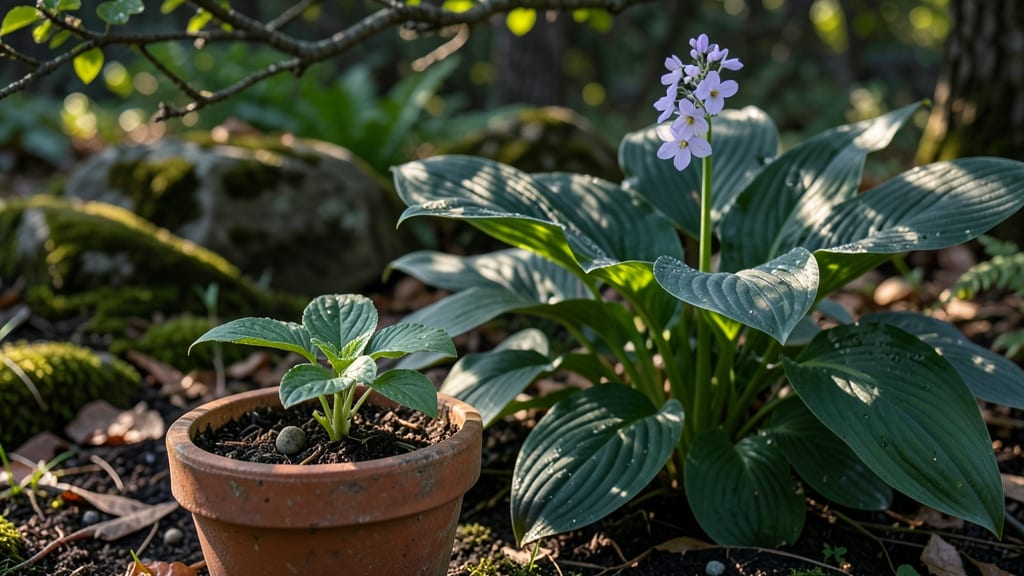
Do hostas like sun or shade—turns out, they prefer the latter, where they get just enough sunlight to keep their foliage vibrant without burning.
If you’ve ever watched your hostas’ leaves turn crispy at the edges or fade to a sad, pale green, you’re not alone. Many gardeners assume these shade-loving plants can handle full sun—but that’s where the trouble starts.
In USDA Zone 6a and beyond, hostas need 3 to 6 hours of morning sun with afternoon shade to stay healthy. Too much direct light causes leaf scorch, while too little dulls their signature colors.
The key is finding that sweet spot where they get enough light to grow but stay protected from harsh afternoon rays.
Below, I’ll show you how to spot the signs of sun or shade stress, which hosta varieties tolerate more light, and how to adjust their environment for lush, year-round foliage.
 Best Window Placement
Hostas and sun exposure: the ideal light balance for healthy growth
Hostas are the backbone of many shade gardens, but their love for light is often misunderstood. While they thrive in partial shade, too much direct sun can scorch their delicate leaves, while too little light dulls their vibrant colors.
The key lies in finding that sweet spot of 3-6 hours of filtered sunlight daily, which varies by USDA hardiness zone and regional climate.
In cooler northern climates like Zones 3-5, hostas can handle more morning sun because afternoon intensity is gentler. But in hotter southern zones like Zones 7-9, even morning sun may be too harsh without afternoon shade protection.
This balance directly impacts leaf color intensity and foliage size, with deeper hues appearing in moderate light conditions.
| Light Condition | Sun Hours/Day | Leaf Color Impact | Growth Effect |
|---|---|---|---|
| Full Sun | 6+ hours | Bleached, yellowed | Stunted, crispy edges |
| Partial Shade | 3-6 hours | Rich, vibrant | Optimal size, lush |
| Full Shade | 0-3 hours | Pale, washed-out | Slow growth, leggy |
| Dappled Sun | <3 hours filtered | Deep, variegated | Balanced, healthy |
For gardeners in USDA Zone 4, I recommend planting hostas where they receive morning sun and afternoon shade from nearby trees or structures. This mimics their natural woodland habitat while preventing leaf scorch during peak summer heat.
In Zone 8, even morning sun may require afternoon shade, especially for varieties with blue or dark green foliage, which are more sensitive to light intensity.
Sunlight intensity also affects hosta flower production. While flowers aren't the main attraction, they thrive with 4-5 hours of sunlight, producing taller scapes and more blooms. However, prioritize foliage health first—prioritize leaf quality over flowers if you're unsure about light conditions.
Some gardeners even remove flower stalks to redirect energy into stronger foliage growth.
Regional variations matter too. In Pacific Northwest gardens, hostas often get bright indirect light year-round, while Midwestern gardens may experience harsh afternoon sun in summer.
To adapt, I use light-colored mulch to reflect excess heat and plant taller varieties like 'Sum and Substance' where they can cast their own shade on smaller neighbors.
Another critical factor is leaf thickness. Thicker-leaved varieties like 'Guacamole' tolerate more sun than delicate types like 'Blue Angel'. When selecting hostas, check the cultivar description—many nurseries now label sun tolerance levels. For example, 'Halcyon' handles partial sun better than 'Patriot', which prefers deeper shade.
Seasonal adjustments are key too. Hostas planted in spring need gradual acclimation to sunlight, while those established for years can handle sudden light changes better. If you notice yellowing leaves in summer, it's often a sign of too much sun—move them to a shadier spot immediately.
Conversely, pale, small leaves in winter suggest insufficient light, especially in northern climates where daylight is limited.
Pro tip: Use reflective surfaces like light-colored gravel or mirrors to redirect sunlight into shady areas if you're working with limited space. This simple trick can give hostas an extra 1-2 hours of beneficial light without moving them.
Pair this with regular mulching to maintain even soil moisture, which helps hostas handle light stress better.
Remember, hostas are perennials, so they'll adapt over time—but starting with the right light conditions sets them up for years of vibrant growth.
Whether you're in a woodland garden or urban patio, finding that perfect balance between sun and shade will reward you with hostas that look their best from spring through fall. 🌿
Signs your hostas are getting too much sun or too little light
Hostas are famously adaptable, but even they can show clear distress signs when light conditions are off. Too much sun causes leaf scorch—those crispy, brown edges that look like someone took a match to your plants.
On the flip side, too little light leads to weak, pale foliage that barely resembles the lush hostas you planted. The key is finding that sweet spot of partial shade—typically 3-6 hours of morning sun with afternoon protection.
Seasonal light shifts also play a role. In summer’s intense heat, hostas need more shade than they do in spring or fall, when cooler temps let them handle a few extra hours of sunlight.
Even winter brings changes—shorter daylight hours can trick hostas into thinking it’s time to rest, so their growth slows naturally. Watching these seasonal cues helps you adjust care without major upheaval.
Too Much Sun vs. Too Little Light: Quick Fixes
- Brown, crispy leaf edges
- Yellowing foliage mid-summer
- Stunted flower production
- Pale, thin leaves
- Slow growth rate
- Leggy stems reaching for light
If your hostas are showing sunburn symptoms, don’t panic—you can often fix the issue without digging them up. Try moving them to a spot with morning sun and afternoon shade, like under a large tree with a sparse canopy.
For hostas in deep shade, consider a south-facing window or a reflective surface (like a white wall) to bounce extra light their way. Even a few hours of bright indirect light can make a world of difference.
Another trick is to use mulch strategically. A thick layer of organic mulch (like shredded bark) helps regulate soil temperature, reducing stress from heat spikes in summer.
In winter’s low light, mulch also protects roots from temperature swings, letting hostas focus on storing energy for next year’s growth. Think of it as a natural light buffer for your plants.
For container-grown hostas, mobility is your best friend. Simply rotate pots weekly to ensure even light exposure on all sides. If one side is turning yellow or brown, it’s getting too much direct sun—move the pot to a shadier patio spot or add a lightweight shade umbrella.
Containers also let you adjust light conditions seasonally, like moving them under a pergola in summer or closer to a sunny window in winter.
Remember, hostas are forgiving plants—they’ll bounce back if you catch light issues early. The goal isn’t perfection but balanced conditions that let their foliage shine. Start by observing your hostas daily: healthy leaves should be deep green, firm, and upright.
Any deviation is your cue to tweak their light environment. With a little attention, your hostas will reward you with vibrant, lush growth all season long. 🌿