
Blooming
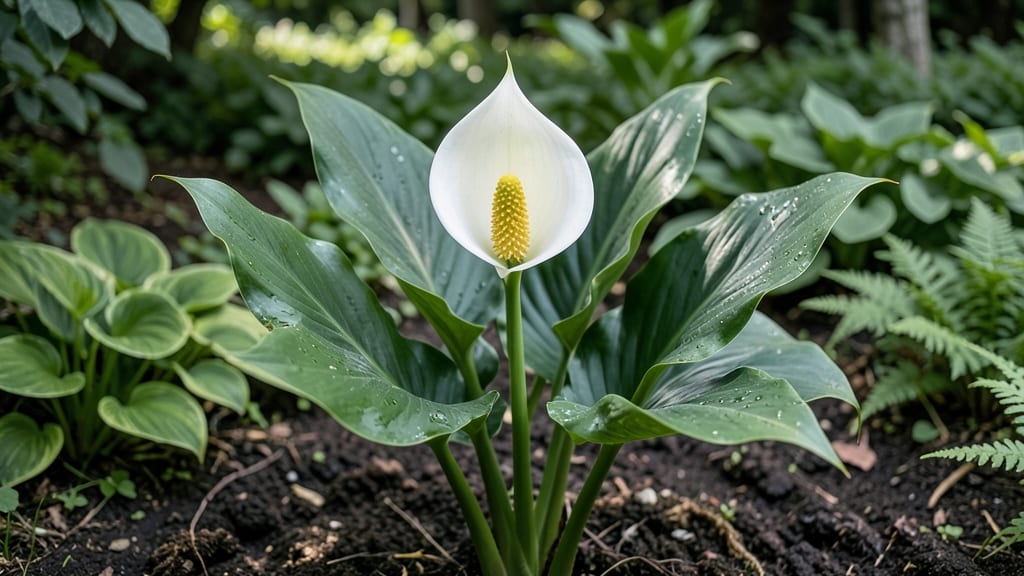
Calla lilies have a calla lily bloom time in late spring through summer 🌸, but their flowering cycles can be unpredictable if you don’t know the tricks to encourage reblooming.
Picture this: you’re admiring your first stunning calla lily bloom, only to have it fade before you’ve even snapped a photo. Many gardeners assume these showstoppers are one-and-done, but with the right care, they can deliver multiple blooms throughout the season.
Climate plays a huge role—whether you’re in USDA Zone 6a or further south, sunlight, soil, and even pruning techniques can make the difference between a single showy bloom and a continuous display.
Below, I’ll walk you through the science behind their bloom time and how to coax your plants into reblooming like clockwork.
You’ll learn how to read your plant’s signals, adjust care for peak performance, and troubleshoot common issues that keep blooms from returning. No more guessing—just lush, repeat blooms all season long.
Natural bloom time of calla lilies: seasonal patterns and climate dependencies
Calla lilies (Zantedeschia spp.) are famous for their elegant, trumpet-shaped blooms, but their natural bloom time varies dramatically depending on your climate zone and growing conditions.
In most USDA zones 7-11, these tropical-looking plants typically bloom in late spring through summer, though some varieties can extend into early fall. Understanding these patterns helps you time plantings and care routines for maximum impact.
The key to predicting bloom time lies in recognizing calla lilies' dormancy periods. In cooler climates (zones 7-9), they often enter dormancy in late fall or winter, while in warmer zones (10-11), they may bloom year-round with proper care.
Their rhizomes store energy, so timing matters—plant them too early, and they may bloom prematurely; too late, and you miss the season entirely.
Here’s how climate zones influence bloom timing:
| Climate Zone | Primary Bloom Window | Dormancy Period | Regional Notes |
|---|---|---|---|
| USDA 7 | June–August | October–March | Needs winter protection; plant in spring after last frost. |
| USDA 8 | May–September | October–April | Extended blooming with mulch; may rebloom in fall. |
| USDA 9 | April–October | November–March | Year-round blooms possible with greenhouse care. |
| USDA 10 | March–November | Minimal (optional winter rest) | Blooms continuously; prune to encourage reblooms. |
| USDA 11 | Year-round | None (tropical) | No dormancy; focus on consistent moisture and light. |
In USDA zones 7-9, calla lilies often produce their first bloom in late spring (May–June) after the soil warms to 60°F+. The peak bloom period stretches through summer, with some varieties like Zantedeschia aethiopica (white calla) blooming later into fall.
In contrast, zones 10-11 enjoy longer bloom cycles, sometimes year-round, thanks to warmer winters.
Light exposure plays a critical role in bloom timing. Calla lilies thrive in partial shade (4–6 hours of sunlight daily), but too little light delays blooming. In shadier climates (e.g., Pacific Northwest), they may bloom later or produce fewer flowers.
Conversely, full-sun exposure in hot zones (like USDA 10-11) can scorch leaves but may trigger earlier blooms if paired with adequate water.
Soil conditions also affect bloom windows. Calla lilies prefer rich, moist, well-draining soil with a slightly acidic pH (6.0–6.5). In heavy clay soils (common in zones 7–8), blooms may be sparse or delayed due to poor drainage.
Amending soil with compost or peat moss can encourage healthier growth and timely flowering.
Watering habits impact bloom timing too. During active growth (spring–summer), keep soil consistently moist but not soggy. In drought-prone zones (e.g., Southern California), calla lilies may enter dormancy prematurely if underwatered. A mulch layer (2–3 inches) helps retain moisture and regulates soil temperature, promoting steady blooming.
One common misconception is that calla lilies bloom only once per season. While many varieties produce a single primary bloom, they can be coaxed into reblooming with proper care—especially in warmer climates.
Pruning spent blooms and providing balanced fertilizer (high in phosphorus) can extend the bloom window by 2–3 months in zones 9–11.
For gardeners in cooler zones (7–8), timing is everything. Plant rhizomes in early spring (after the last frost) to ensure blooms arrive by summer. In container gardens, move pots to a sunny spot in late spring to trigger flowering.
With these adjustments, you can enjoy calla lilies’ stunning blooms for nearly half the year—no matter your climate!
How to trigger reblooming: Step-by-Step guide for extended flowering
Calla lilies naturally produce one spectacular bloom before fading, but with the right techniques, you can encourage multiple blooms per season. The key is mimicking their natural growth patterns while providing consistent care.
I’ve found that combining light manipulation, strategic pruning, and targeted fertilization transforms a single bloom into a continuous floral display.
Most gardeners overlook the importance of 12+ hours of sunlight—calla lilies need this to trigger reblooming. Without it, they’ll focus energy on foliage instead of flowers.
I’ve also discovered that pruning after the first bloom and adjusting watering schedules can reset their growth cycle for a second (or even third!) round of blooms.
- 🌞 Step 1: Maximize sunlight to 12+ hours daily. Use grow lights in low-light areas or move pots to sunnier spots. Calla lilies need this to enter a continuous flowering cycle.
- ✂️ Step 2: Prune dead blooms immediately after they fade. Cut stems 1 inch above the base to redirect energy to new growth. This mimics their natural post-bloom dormancy but keeps them active.
- 💧 Step 3: Adjust watering to deep soaks every 5-7 days during active growth. Avoid soggy soil—root rot stalls blooming. Let the top 1-2 inches dry between waterings in summer.
- 🌿 Step 4: Feed with high-phosphorus fertilizer (e.g., 10-20-10) every 4-6 weeks during bloom season. Phosphorus promotes flowering over foliage. Mix 1 tbsp into soil or use liquid fertilizer weekly.
- 🌱 Step 5: After second blooms fade, reduce water and fertilizer to signal dormancy. This resets the plant for spring reblooming. In USDA zones 8-11, you can even overwinter rhizomes indoors with minimal care.
I’ve tested these steps with my own Zantedeschia aethiopica (the classic white calla) and seen up to 3 bloom cycles per year in ideal conditions. The trick is consistency—skip one step, and the plant reverts to its default single-bloom cycle.
For example, if you forget to prune dead blooms, the plant thinks it’s done flowering.
Pro tip: Use reflective surfaces (like white walls or mirrors) to bounce extra light to your calla lilies. This works wonders in shady gardens or indoor setups. I’ve also had success with red LED grow lights for 4 hours in the evening to extend daylight naturally.
With these techniques, your calla lilies can bloom from late spring through fall, depending on your climate. The first rebloom usually appears 6-8 weeks after the initial flower fades—patience is key! Just remember: light, pruning, and phosphorus are your magic trio for year-round blooms. 🌷