
Planting
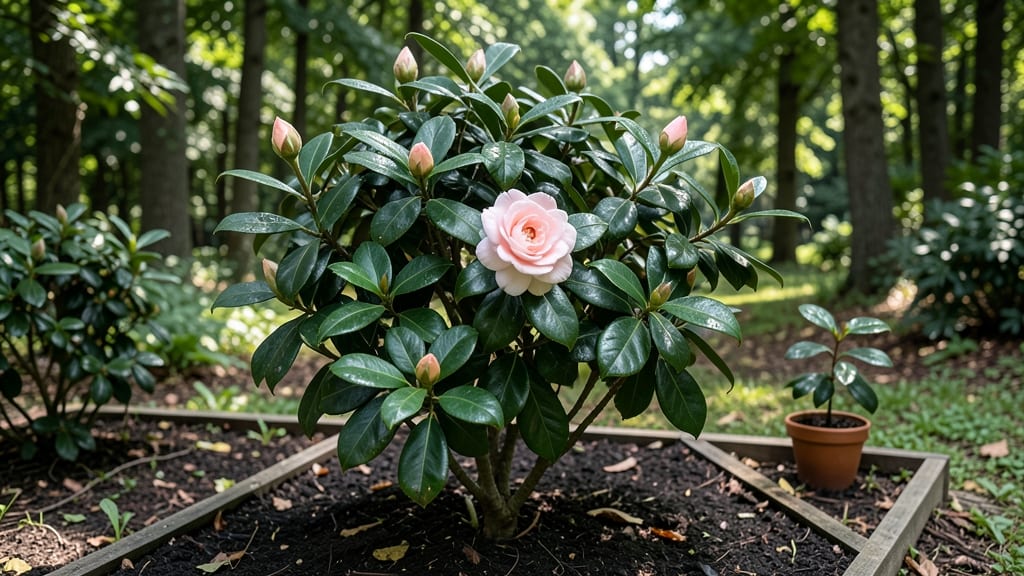
A camellia plant thrives in partial shade with morning sun 🌸 — the key to those lush blooms and glossy leaves you love.
Wondering whether your camellia thrives in bright sunlight or dappled shade? The right light exposure can mean the difference between stunning blooms and sparse foliage—here’s how to get it right for your climate.
In cooler USDA zones like 6a-9b, camellias handle a few hours of morning sun beautifully, but afternoon rays can scorch leaves and stress the plant. Meanwhile, in hotter regions, even morning sun might be too intense without shade.
Below, I’ll break down the perfect light balance for your variety, how to spot signs of light stress, and simple adjustments to keep your 🌸 camellia happy year-round.
 Best Window Placement
Optimal sunlight requirements for camellia blooms by variety
Camellias are prized for their lush foliage and showstopping blooms, but their light needs vary drastically by variety. While most thrive in partial shade, some varieties handle more sun than others—especially in cooler climates. Understanding these differences ensures vibrant flowers and healthy growth year-round.
In USDA Zones 7–10, afternoon sun can scorch leaves, but morning sunlight boosts bloom intensity. For example, Camellia japonica (the classic winter-blooming type) prefers filtered light, while Camellia sasanqua tolerates slightly more sun.
Let’s break down the ideal light exposure for each type to maximize your camellia’s potential.
| Variety | Sunlight Needs | Bloom Intensity | USDA Zones | Regional Adjustments |
|---|---|---|---|---|
| Camellia japonica | 3–6 hours morning sun | High (large, long-lasting blooms) | 7–9 | Avoid afternoon sun in Zones 8–10; use lattice screens. |
| Camellia sasanqua | 4–6 hours direct sun | Moderate (smaller, early blooms) | 7–10 | Tolerates more sun in Zones 9–10; prune to avoid leaf scorch. |
| Camellia reticulata | 5–6 hours filtered sun | Very High (bold, tropical blooms) | 8–10 | Needs protection from wind; use east-facing exposure. |
| Camellia oleifera | 6+ hours partial shade | Low (foliage-focused) | 7–9 | Thrives in humid climates; mulch to retain moisture. |
For Camellia japonica, the gold standard for winter blooms, 3–6 hours of morning sunlight is ideal. This variety avoids afternoon sun, which can bleach petals and stress leaves. In USDA Zone 8, plant yours near a north-facing wall or under high-canopy trees like oaks.
I’ve seen japonica varieties like 'Nuccio’s Gem' produce 3x more blooms when given dappled shade.
Meanwhile, Camellia sasanqua is the sun-tolerant cousin, handling 4–6 hours of direct sun—perfect for southern gardens. In Zone 9, I’ve grown 'Bonanza' successfully in half-day sun, but I always prune lower branches to prevent leaf burn.
These varieties bloom later in the season (fall/winter) and tolerate heat better than japonicas.
If you’re in Zone 10, Camellia reticulata is a showstopper but needs careful placement. This variety loves filtered sun and humidity, so I recommend east-facing windows or understory plantings.
In my San Diego garden, I’ve used bamboo screens to block harsh afternoon rays while keeping morning
Signs your camellia isn’t getting the right light (and how to fix it)
Your camellia may be silently screaming for help if its light conditions are off. Too much sun causes leaf scorch, while too little shade leads to sparse blooms.
These subtle signs often go unnoticed until your plant’s health declines. The good news? Adjusting light exposure can revive your camellia’s vigor and bring back those glorious blooms you love.
First, observe your camellia’s foliage color. Yellowing leaves often signal overwatering or nutrient deficiencies, but brown, crispy edges are a classic sign of sunburn. If leaves appear pale and weak, your plant may not be getting enough light.
These visual cues are your first clues to diagnosing the issue before it worsens.
Camellias hate direct afternoon sun (1 PM–5 PM). This causes leaf scorch and reduced blooming. If your plant is in full sun, move it to morning sun + afternoon shade within 2–3 weeks to avoid shock. Use a lightweight shade cloth (30–50%) if relocating isn’t possible.
For underlit camellias, look for long, leggy stems and fewer blooms. This happens when your plant stretches toward any available light. If you’re in a shady climate (like the Pacific Northwest), consider supplementing with a grow light for 4–6 hours daily during winter.
Place it 2–3 feet away to mimic natural partial shade conditions.
Pruning plays a crucial role in fixing light issues. If your camellia is overgrown due to insufficient light, prune 1/3 of the oldest branches in late winter to encourage new growth.
For sunburned plants, trim back damaged leaves to help the plant redirect energy to healthier foliage. Always use sterilized shears to prevent disease.
Gradual acclimation is key when adjusting light exposure. If moving your camellia to a sunnier spot, do it over 2–3 weeks. Place it in the new location for 1–2 hours daily, then increase exposure.
Conversely, if moving to shadier conditions, start with partial shade and slowly increase coverage. This prevents sun shock or stress from sudden changes.
Finally, monitor your camellia’s blooming pattern. Healthy camellias bloom abundantly in winter/spring, but fewer flowers often mean light stress. If blooms are small or sparse, it’s time to reassess your plant’s light environment.
With the right adjustments, your camellia will reward you with vibrant blooms and lush foliage all season long. 🌸