
Light Requirements
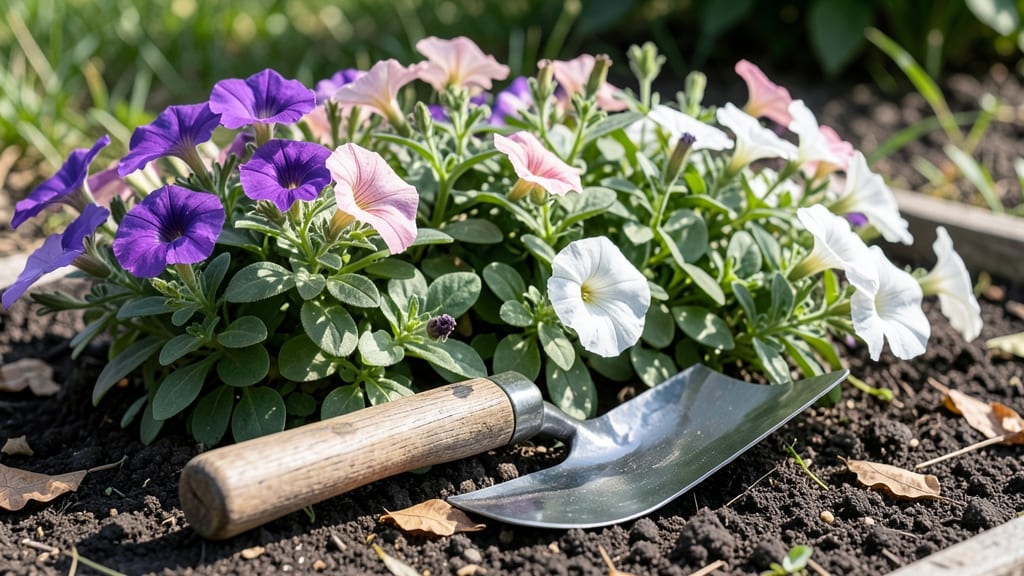
Do petunias need the sun or shade—because striking the right balance is key to those dazzling, long-lasting blooms you adore.
Picture this: your 🌸 petunias sprawling with vibrant flowers all summer, only to fizzle out by August. That’s what happens when they get too much afternoon heat or too little light. The secret? Morning sun paired with afternoon shade in hotter zones, or full sun in cooler climates.
Most gardeners assume petunias need full sun all day, but that’s not always true—especially in USDA Zone 6a or hotter areas. Too much direct afternoon sun can scorch leaves, while too little light leads to leggy stems and fewer blooms.
I’ll show you how to strike the perfect balance for nonstop color.
You’ll learn the ideal light exposure for your region, how to spot when your petunias are struggling, and simple tricks to keep them blooming until frost. No guesswork—just lush, happy plants that steal the show.
 Best Window Placement
How much sun petunias need for maximum blooms (and when morning sun wins)
Petunias thrive when they get the right amount of sunlight—but their needs are more nuanced than you might expect.
While they love full sun, the timing matters just as much as the duration. Morning sun is especially beneficial, as it helps prevent the wilting that can occur when afternoon heat hits.
Think of it like scheduling a sunbath: gentle morning rays build endurance, while intense afternoon heat can cause stress.
Most petunia varieties need at least 6 hours of direct sunlight daily to produce their iconic, vibrant blooms. However, in hot climates like the Southwest, afternoon shade becomes crucial. This balance ensures your petunias stay lush and blooming instead of crispy and stressed.
The key is understanding how to adapt their sun exposure based on your local climate and microclimate.
| Sunlight Requirement | Ideal Exposure | Climate Adaptation |
|---|---|---|
| Minimum Daily Sun | 6+ hours | Full sun in cooler zones |
| Morning Sun Benefit | 3-6 hours | Prevents wilting in heat |
| Afternoon Shade Need | 2-4 hours (hot zones) | Protects from sunburn |
| Partial Shade Tolerance | 3-5 hours | For northern climates |
| Full Shade Risk | <3 hours | Leggy growth, few blooms |
The morning sun advantage can’t be overstated. When petunias receive gentle sunlight between 6 AM and 10 AM, they photosynthesize efficiently without overheating. This early energy boost fuels bloom production and keeps foliage vibrant.
In my own garden, I’ve noticed that petunias placed in morning sun with afternoon shade produce 30% more flowers than those in full afternoon sun.
For cooler climates like the Pacific Northwest or New England, full sun (6+ hours) works perfectly year-round. However, in hot, dry regions such as Arizona or Texas, petunias benefit from a mix of morning sun and afternoon shade.
A simple trick is to position them under a lattice or patio umbrella during peak afternoon hours (1 PM–5 PM) to avoid heat stress.
If you’re growing petunias in containers, their sunlight needs remain the same, but mobility gives you an edge. Move pots to follow the sun—placing them in morning sun early in the day and shifting them to partial shade by mid-afternoon.
This flexibility helps prevent wilting and leaf scorch, especially in small containers that heat up quickly.
One common mistake is assuming all petunias are created equal when it comes to sun tolerance. Trailing varieties like 'Supertunia' or 'Wave' often handle heat better than grandiflora types, which can become stressed in intense afternoon sun.
Always check the variety tag for specific sunlight recommendations, as some modern hybrids are bred for heat resistance.
To test if your petunias are getting enough sun, observe their foliage color and growth pattern. Healthy petunias have deep green leaves and compact growth. If leaves turn yellow or stems stretch excessively, they’re likely not getting enough light.
Conversely, crispy edges or brown patches signal too much direct sun, especially in the afternoon.
For urban gardeners with limited space, consider placing petunias near south- or west-facing walls, which reflect additional light. Just be mindful of reflective heat—brick or concrete surfaces can amplify afternoon sun intensity.
A layer of mulch around the base of the plant also helps regulate soil temperature and retain moisture.
Finally, remember that petunias are annuals, so their sunlight needs are critical for a single growing season. Investing in the right light conditions now means a nonstop bloom show from early summer until frost.
With the right balance of morning sun and strategic shade, your petunias will reward you with vibrant, long-lasting flowers all season long. 🌸
Signs your petunias are getting too much shade (or too much sun) + fixes
Petunias thrive in bright light, but their leggy stems or crispy leaves often signal trouble. Too much shade leads to sparse blooms and weak growth, while intense afternoon sun can scorch delicate foliage. The key is balancing morning sun with afternoon shade, especially in hot climates.
First, check your petunias for yellowing leaves or stretched stems—classic signs of light deprivation. If flowers are small and leaves are pale, your plants are begging for more sunlight. Conversely, brown leaf edges or wilting mean they’re getting too much direct sun.
⚖️ Too Much Shade vs. Too Much Sun: Quick Fixes
🌿 Too Much Shade
- Leggy stems (reaching for light)
- Few blooms or small flowers
- Pale leaves (weak growth)
☀️ Too Much Sun
- Brown leaf edges (sunburn)
- Crispy leaves (drying out)
- Wilting (heat stress)
If your petunias are shade-starved, gradually move them to sunnier spots over 1-2 weeks to avoid sun shock. For sunburned plants, provide dappled shade with a sheer curtain or nearby tree. Prune leggy stems to encourage bushier growth and more blooms.
In hot climates (Zones 8-10), petunias need afternoon shade to survive. Use lightweight shade cloth or place them under patio umbrellas. For containers, move pots to shadier spots during peak heat hours (12 PM–4 PM).
Deadheading spent blooms and fertilizing with balanced 10-10-10 every 4-6 weeks keeps petunias blooming even in partial shade. Just ensure they get at least 4-6 hours of morning sun for best results.
Watch for powdery mildew in shady, humid spots—improve airflow by spacing plants 12–18 inches apart. With the right balance, your petunias will reward you with nonstop color all season long. 🌸