
Orchid Care
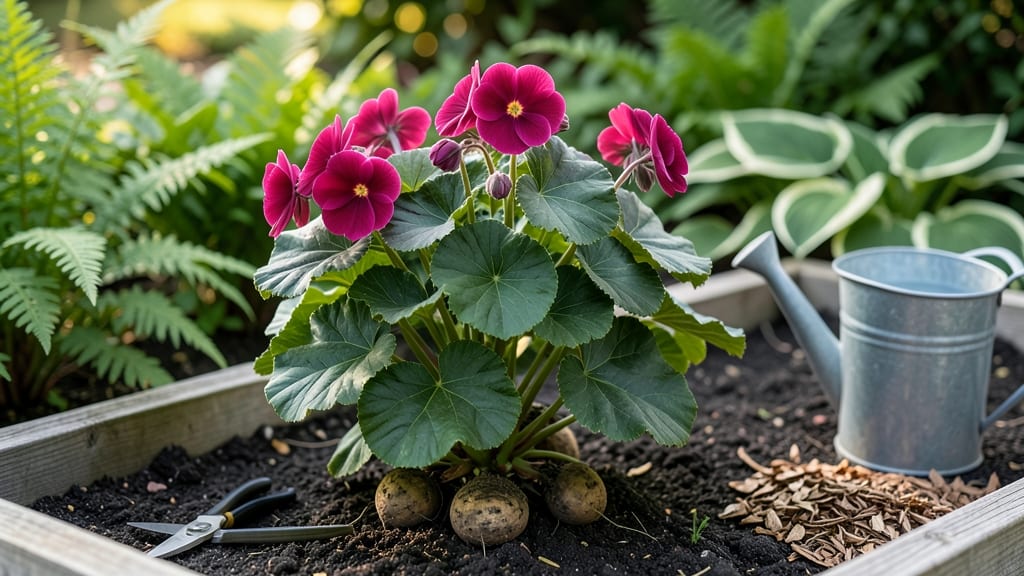
Do begonias like sun or shade—actually, they prefer the latter—so they flourish in bright, indirect light spots where other plants might scorch.
Struggling to keep your begonias thriving? The battle between sun and shade could be the secret to unlocking vibrant blooms or wilted disappointment—here’s the definitive guide to getting it right.
Most begonias, like the delicate 🌸 tuberous or bold rex varieties, wilt under harsh afternoon rays but love dappled light or morning sun. Too much direct sun bleaches leaves, while too little shade stunts growth and blooms.
Below, I’ll break down the ideal light conditions for each type, how to spot light stress, and where to place them—indoors or out—to keep them lush all season.
 Best Window Placement
Begonia light requirements: sun vs shade breakdown for healthy growth
Begonias are stunning plants that add vibrant color to gardens and homes, but their light requirements can be tricky. Unlike sun-loving succulents, begonias thrive in bright, indirect light—too much direct sun or too little light can spell disaster.
Understanding the sun vs. shade balance is key to keeping your begonias lush and blooming. Let’s break down what your begonias truly need to flourish.
Most begonia varieties—like tuberous begonias, rex begonias, and wax begonias—prefer partial shade, meaning they need protection from harsh afternoon sun. However, they still crave bright, filtered light to maintain their signature foliage colors and prolific blooms.
Getting this balance right can mean the difference between a thriving plant and one that’s struggling with yellowing leaves or stunted growth.
| Begonia Type | Ideal Light | Sun Tolerance | Signs of Too Much Sun | Signs of Too Little Light |
|---|---|---|---|---|
| Tuberous Begonias | Partial shade (morning sun) | Low (afternoon sun burns) | Brown leaf edges | Leggy stems, few blooms |
| Rex Begonias | Bright indirect light | None (foliage scorch) | Bleached leaves | Dull foliage |
| Wax Begonias | Partial shade (east/west) | Moderate (afternoon shade) | Sunburn spots | Slow growth |
| Angel Wing Begonias | Bright indirect light | Low (foliage damage) | Crispy leaf edges | Stretched growth |
Tuberous begonias, for example, love morning sunlight but will suffer from leaf burn if exposed to harsh afternoon rays. These varieties are perfect for east-facing windows or shaded garden beds.
Meanwhile, rex begonias with their stunning foliage need bright, indirect light to keep their colors vibrant—direct sun will bleach their leaves and ruin their striking patterns.
If you’re growing begonias outdoors, place them in spots that receive dappled sunlight, like under large trees or on porches with sheer curtains. For container gardens, rotate your pots every few weeks to ensure even light exposure.
This prevents leggy growth and encourages a fuller, bushier plant. Even a few hours of direct sun can be too much, so always monitor your begonias for signs of stress.
Indoor begonia care is equally important. Position your plants near east or north-facing windows where they’ll get gentle light without the risk of overheating. If your home lacks natural light, consider using a grow light for 12-14 hours a day.
LED grow lights are energy-efficient and perfect for keeping begonias thriving year-round, especially during winter months when daylight is limited.
One common mistake is assuming all begonias have the same light needs. Wax begonias, for instance, can handle a bit more sun than rex begonias, but they still need protection from intense midday heat.
Pay attention to how your specific variety responds—some may develop yellow leaves or drooping stems if they’re not getting the right balance. Adjust their placement gradually to avoid shocking the plant.
For outdoor gardeners, mulching around your begonias can help regulate soil temperature and retain moisture, which is especially helpful in hot climates. Use organic mulch like shredded bark or straw to keep roots cool.
If you notice your begonias wilting in the heat, move them to a shadier spot immediately. Begonias are sensitive to heat stress, and their leaves will curl or droop as a warning sign.
In container gardening, choose pots with good drainage and use a well-draining soil mix. This helps prevent root rot, which can occur if the soil stays too wet—especially in
Signs your begonia isn’t getting the right light (and how to fix it)
If your begonias look more leggy than lush or their leaves are turning yellow, light might be the culprit. These plants thrive in bright indirect light, but too much sun or too little can spell disaster.
I’ve seen waxy begonias with crispy edges from afternoon sun and rex begonias with pale leaves from insufficient light—both fixable with simple adjustments.
Even tuberous begonias, which tolerate slightly more sun, can suffer if placed in harsh afternoon rays. The key is finding that sweet spot where your begonias get 4-6 hours of filtered light daily.
Without it, you’ll miss out on those vibrant blooms and glossy foliage that make begonias so rewarding to grow.
⚠️ callout warning
⚠️ Begonias HATE These Light Mistakes
- Too much sun → Brown leaf tips from scorching
- Too little light → Leggy stems and sparse blooms
- Sudden light changes → Leaf drop from shock
💡 Fix: Move gradually over 7-10 days when adjusting light exposure.
Start by checking your begonia’s leaves—if they’re yellowing with green veins, it’s a classic sign of too much direct sun. Move the plant to a spot with dappled shade, like under a sheer curtain or near a north-facing window.
For indoor begonias, rotate the pot weekly so all sides get even light, preventing uneven growth.
On the flip side, if your begonia’s stems are stretching toward the light like a sleepy cat reaching for the sun, it’s begging for more brightness. Place it 2-3 feet from an east-facing window or supplement with a grow light for 12-14 hours daily.
Avoid west or south windows—they deliver intense afternoon sun that burns delicate foliage.
For outdoor begonias, watch for seasonal shifts. In summer, provide afternoon shade with a lightweight shade cloth (30-50% coverage). In winter, bring potted begonias indoors before temperatures drop below 50°F, as cold drafts and dim light trigger stress.
Always acclimate plants to new light conditions slowly—sudden changes can cause leaf drop or stunted growth.
Here’s my pro tip: Test your light with a simple shadow test. Hold your hand between the plant and light source—if you see a clear, sharp shadow, the light is too harsh.
For perfect begonia light, the shadow should be soft and diffused. With these tweaks, your begonias will reward you with lush foliage and nonstop blooms all season long. 🌿