
Light Requirements
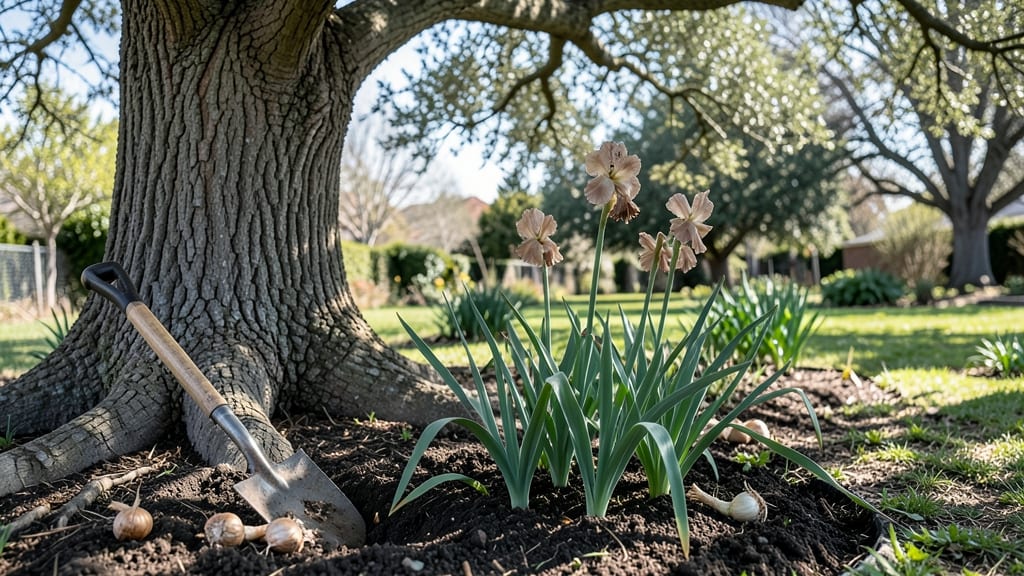
Gladioli can grow in shade, but they thrive best in full sun, producing fewer blooms and weaker stems when light is limited. Partial shade (4-6 hours of sunlight) is the best compromise for shaded gardens, while deep shade risks stunted growth and poor flowering.
Gladiolus bulbs will survive in shaded areas, but their growth habits change dramatically. 🌿 Without adequate sunlight, plants focus energy on leaf production rather than flower spikes, often resulting in shorter stems that may not even reach blooming height.
I've seen this firsthand with 'Picasso' varieties—while they still produce leaves, the flower stalks become spindly and may flop over without support. The key is finding that sweet spot of partial shade where they get just enough light to maintain some bloom potential without sacrificing structural integrity.
What's interesting is how different varieties respond. Some modern hybrids like 'Green Star' have shown better shade tolerance than traditional types, making them ideal for north-facing gardens or areas with tall trees.
For best results, I recommend planting shade-tolerant varieties in well-draining soil and pairing them with taller plants that won't compete for light.
💡 In This Article
- How Shade Affects Gladiolus Flowering and Stem Strength
- Best Gladiolus Varieties for Shaded Gardens
How shade affects gladiolus flowering and stem strength
Gladiolus plants rely on photosynthesis to produce energy for both leaf growth and flower development. When exposed to full sun (6+ hours daily), their chlorophyll absorbs maximum light, fueling robust flower spikes that can reach 3-5 feet tall with 8-12 blooms per stem.
In shade, however, photosynthesis slows dramatically—plants prioritize leaf production to capture whatever light is available, often at the expense of flowering. This is why gladioli in deep shade may produce only 1-2 small blooms or none at all, with stems that barely reach 2 feet in height.
The stem strength issue stems from reduced cellulose production—a structural carbohydrate that requires sunlight for synthesis. Shade-grown gladioli develop thinner, weaker stems that can't support heavy flower spikes, leading to flopping or breakage. 🌱 I've noticed this particularly with 'White Friendship' varieties, where stems in shaded conditions become almost brittle.
Even the most shade-tolerant varieties will struggle to maintain upright growth without at least 4 hours of direct sunlight daily. The trade-off is clear: more shade means more leaves but fewer, smaller flowers.
Different gladiolus varieties show varying tolerance levels due to their genetic adaptations. For example, dwarf varieties like 'Picturestripe' have evolved shorter stems that require less structural support, making them better suited for partial shade.
These types can often produce 3-5 blooms per stem even with only 3-4 hours of sunlight, though the flowers will be smaller. In contrast, traditional tall varieties like 'Black Star' need full sun to develop their characteristic 4-6 foot spikes with large, dramatic blooms.
What most gardeners don't realize is how shade affects the flowering cycle timing. Gladioli in full sun typically bloom 8-10 weeks after planting, while shaded plants may take 12-14 weeks—if they bloom at all.
The delayed energy allocation means flowers appear later in the season, often missing peak summer displays. The color intensity also suffers, with blooms developing 20-30% less vibrant hues in shaded conditions due to reduced anthocyanin production (the pigments responsible for deep colors).
Here's what's actually happening at the cellular level: Shade reduces the plant's ability to produce auxin (a growth hormone) that regulates stem elongation and flower development. Without sufficient auxin, the apical meristem (growth tip) focuses on vegetative growth instead of reproductive structures.
This hormonal shift explains why shade-grown gladioli often develop longer, thinner leaves but shorter, weaker stems. The solution? Supplement with balanced fertilizer (10-10-10 ratio) to support both leaf and flower growth when light is limited.
Consider these key factors when evaluating shade impact:
- Light intensity: Even light (diffused through trees) is better than deep shade (under dense foliage)
- Variety selection: Dwarf types handle shade better than tall varieties
- Soil quality: Well-draining, nutrient-rich soil compensates slightly for light deficits
- Watering: Shade-grown plants need 10-20% more frequent watering due to slower evaporation
The bottom line? While gladioli can survive in shade, they'll never reach their full potential without adequate light. The best compromise is morning sun with afternoon shade, which provides 4-6 hours of direct light while protecting delicate blooms from intense afternoon heat. 🌿