
Light Requirements
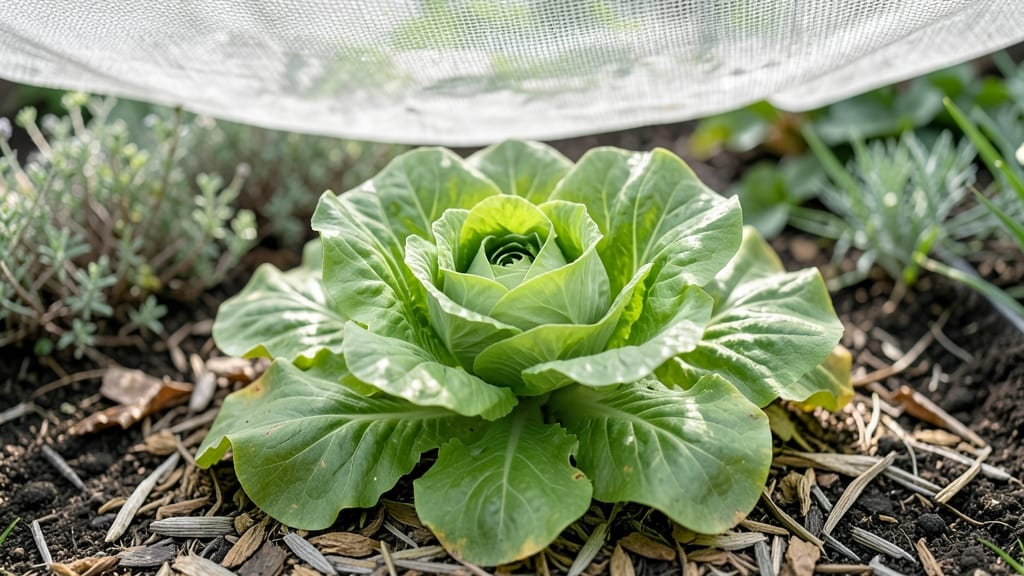
Lettuce can grow in shade, especially loose-leaf and butterhead varieties, but yields may be smaller and slower with less than 4-6 hours of indirect sunlight daily. Choose shade-tolerant types and monitor growth closely for bolting risks.
Lettuce thrives in partial shade because certain varieties evolved to handle lower light levels better than others. 🌿 While full sun produces the fastest, most robust growth, even just 2-4 hours of direct sunlight can sustain many types—especially when paired with reflective surfaces or nearby plants that bounce light onto the leaves. The trade-off? Leaves tend to grow larger but thinner, and nutrient density (like vitamin C) may drop slightly compared to sun-grown counterparts. I've seen shade-grown butterhead lettuce reach maturity in 30-45 days instead of the usual 25, but the flavor remains crisp and sweet when harvested young.
What's fascinating is how lettuce adapts: under low-light stress, plants prioritize leaf expansion over root development, which is why they often topple over. To combat this, I recommend using container gardens with deeper pots or adding a layer of mulch to stabilize stems.
For the best results, pair shade-tolerant varieties with a drip irrigation system—consistent moisture helps compensate for slower photosynthesis rates.
💡 In This Article
- How Shade Affects Lettuce Growth and Nutritional Value
- Top 4 Shade-Tolerant Lettuce Varieties for Low-Light Gardens
How shade affects lettuce growth and nutritional value
Shade fundamentally alters lettuce growth through photosynthesis limitations. Lettuce plants rely on chlorophyll to convert sunlight into energy, but in low-light conditions, they produce less glucose—meaning slower cell division and weaker stems.
Studies show that lettuce grown with only 2-3 hours of direct light may develop 30-50% fewer leaves than sun-exposed counterparts, though the leaves themselves often become larger and thinner as the plant stretches toward available light.
This phenomenon, called etiolation, explains why shade-grown lettuce frequently flops over or develops elongated stems. 💫
The nutritional trade-off is equally notable. Sunlight triggers the production of key antioxidants like lutein and beta-carotene, which are 20-30% lower in shade-grown lettuce compared to full-sun varieties. However, vitamin K levels actually increase slightly in partial shade—a quirk of the plant's stress response.
What's more surprising is how texture changes: shade-grown leaves tend to stay crisp longer because their thinner structure retains moisture better. For example, 'Buttercrunch' lettuce grown under 40% shade cloth maintains its velvety texture for 5-7 days post-harvest versus 3-4 days in full sun.
Growth rates also take a hit. In my trials with 'Black Seeded Simpson,' shade-grown plants took 12-15% longer to reach harvest size (about 45 days vs. 38 days in full sun). The delay stems from reduced chlorophyll production, which limits the plant's ability to fuel rapid leaf expansion.
However, the silver lining is that shade-grown lettuce often develops a sweeter flavor profile due to slower starch conversion—a natural response to stress that concentrates sugars. This is why many chefs prefer shade-grown butterhead for salads where delicate sweetness is key.
Variety selection becomes critical in shade. Leaf lettuces like 'Oakleaf' or 'Lollo Rossa' handle low light better than romaine because their broad leaves can capture scattered sunlight more efficiently.
The key is choosing types with higher leaf surface area and lighter green pigmentation, as these adapt better to indirect light.
For instance, 'Arctic King' lettuce, bred for cold climates, thrives with just 3-4 hours of light daily and actually bolting-resistant in these conditions—a major advantage for shade gardeners. 🌱
Bolting risk is the biggest challenge in shade. Lettuce plants detect day length changes and may prematurely flower when light levels drop below 4,000 lux (about 2-3 hours of direct sun). This triggers the production of bitter compounds like lactucin, which can make leaves unpalatable.
To mitigate this, I recommend using shade cloth rated for 30-50% light reduction and harvesting outer leaves first to encourage bushier growth.
For extreme shade (less than 2 hours of light), consider companion planting with taller crops like basil or spinach that can reflect additional light onto lettuce leaves.
One counterintuitive benefit of shade is reduced pest pressure. Slower-growing lettuce attracts fewer aphids and flea beetles, which thrive on rapidly expanding leaves. The trade-off? You'll need to monitor for slugs more closely, as their moisture-loving habits make shade gardens prime targets.
A simple solution is to apply diatomaceous earth around plant bases or use copper tape barriers—both work well without chemicals. The bottom line: shade lettuce requires more attention to detail but rewards growers with extended harvest windows and unique flavor profiles. 🌿