
Light Requirements
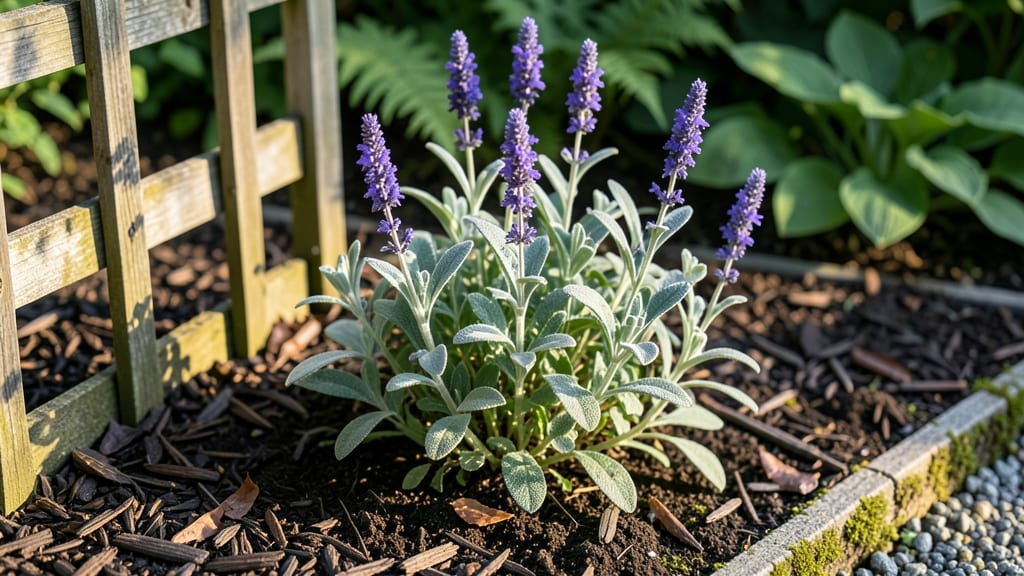
Growing sage in shade isn’t just possible—it’s the key to thriving herbs in dim corners of your garden 🌿.
Struggling to grow sage in your dimly lit garden? You’re not alone—many gardeners assume this herb thrives only in full sun.
But the truth is, some sage varieties not only tolerate shade but actually flourish in it, making them perfect for shady patios, north-facing yards, or even indoor herb gardens.
While most sage loves 6+ hours of sunlight, certain types—like Berggarten Sage and Purple Sage—adapt beautifully to partial shade. The secret lies in soil drainage, spacing, and occasional pruning to keep them bushy.
Below, I’ll share which varieties work best, how to spot light deprivation, and simple tricks to boost growth when sunlight is scarce.
You’ll also discover how to turn a shady spot into a productive sage patch—no sunny window required. Let’s get started!


3 Shade-tolerant sage varieties that thrive in low light
If you’ve ever assumed sage needs full sun to thrive, think again! While most varieties love bright light, three shade-tolerant sages can handle partial to full shade while still delivering fragrant foliage and medicinal benefits.
These varieties are perfect for shady patios, woodland gardens, or even indoor herb gardens near north-facing windows. Let’s explore the best options and how to maximize their potential in low-light conditions.
First, it’s important to clarify that no sage variety thrives in full shade—they all need at least 3-4 hours of indirect light daily to prevent leggy growth. However, these three varieties are the most forgiving and can adapt better than common culinary sage (Salvia officinalis).
Their unique traits make them ideal for gardeners with limited sunlight. Let’s dive into their specifics.
Berggarten Sage (Salvia officinalis 'Berggarten') is a compact, slow-growing variety that tolerates partial shade exceptionally well. Unlike its sun-loving relatives, this sage maintains its dense, rounded shape even with reduced light. Its gray-green foliage adds texture to shady borders, and it’s less prone to fungal issues that often plague shade-grown herbs. This makes it a top pick for container gardening on shaded balconies or as a border edging plant.
Purple Sage (Salvia officinalis 'Purpurascens') is another shade-friendly option, prized for its striking purple-tinged leaves that deepen in color with more light—but still shine in partial shade. While it may grow slightly taller and leggier without enough light, its aromatic qualities remain intact. Purple sage is also drought-tolerant, making it low-maintenance for shady spots where water pools. Try pairing it with hostas or ferns for a lush, woodland-inspired display.
Golden Sage (Salvia officinalis 'Aurea') stands out with its golden-yellow foliage, which adds a warm contrast to shady areas. This variety handles partial shade better than most, though its color may fade slightly compared to full-sun conditions. The good news? Its fragrant leaves remain potent, and its upright growth habit makes it perfect for back-of-border plantings or as a solitary specimen in containers. It’s also deer-resistant, a bonus for gardeners in rural areas.
🌿 Shade-Tolerant Sage Varieties Comparison
| Variety | Light Needs | Growth Habit | Best For | Foliage Color |
|---|---|---|---|---|
| Berggarten Sage | Partial shade (3-4 hrs indirect light) | Compact, rounded, 12-18" tall | Containers, borders, edging | Gray-green |
| Purple Sage | Partial shade (4+ hrs indirect light) | Upright, 18-24" tall | Woodland gardens, containers | Purple-tinged |
| Golden Sage | Partial shade (3-5 hrs indirect light) | Upright, 18-24" tall | Back-of-border, specimen | Golden-yellow |
To help these shade-tolerant sages thrive, focus on well-draining soil—a common issue in shady areas where water pools.
Amend your soil with compost or perlite to improve aeration, and avoid heavy clay. Mulch around the base with pine needles or straw to retain moisture and suppress weeds, which compete for nutrients in low-light conditions. This simple step can make a huge difference in your sage’s health.
Another pro tip: Rotate containers every few weeks if growing sage in pots. This ensures all sides receive even indirect light, preventing lopsided growth. For indoor sage, place plants near a south-facing window or supplement with a grow light for 6-8 hours daily.
A reflective surface, like a white wall or mirror, can also bounce extra light onto your plants, mimicking natural conditions.
When it comes to pruning shade-grown sage, less is more. Trim back leggy stems in early spring to encourage bushier growth, but avoid heavy pruning in fall—this can stress the plant before winter.
Always use sterilized shears to prevent disease spread, especially in humid, shady environments. Harvest leaves sparingly in low light to avoid weakening the plant further.
Finally, remember that even shade-tolerant sages will perform best with some direct light. If your garden is truly dark, consider container gardening on a
How to grow sage in shade: essential tips for success
Growing sage in shade might seem tricky, but with the right approach, you can cultivate healthy, aromatic plants even in low-light conditions. The key lies in understanding your sage variety, soil needs, and how to mimic sunlight when natural light is limited.
From my experience, Berggarten Sage and Purple Sage are the most adaptable choices for shady spots, but all sage benefits from thoughtful care.
Before planting, test your soil’s drainage and pH. Sage prefers well-draining, slightly alkaline soil (6.0-7.5 pH). If your shade garden has heavy clay, amend it with compost or perlite to prevent root rot.
A raised bed or container with drainage holes works wonders for shade-grown sage, giving roots room to breathe and excess water a quick escape.
While some sage varieties tolerate shade, full shade (less than 2 hours of sunlight) will cause leggy growth, pale leaves, and weak stems.
If your garden gets partial shade (3-6 hours of light), position your sage near reflective surfaces (white walls, mirrors) to bounce extra light onto the leaves. For full shade gardens, consider container growing near a south-facing window or supplement with a grow light (12-14 hours/day).
Watering shade-grown sage requires a gentle touch. Since shade slows evaporation, the soil stays moist longer, increasing the risk of root rot. Water deeply once a week, letting the top 1-2 inches of soil dry out between waterings.
In containers, check moisture daily—small pots dry out faster. Always water at the base of the plant to avoid wetting the leaves, which can lead to fungal issues.
Pruning is crucial for keeping shade-grown sage compact and bushy. Pinch back the tips of new growth in early spring to encourage branching. Throughout the growing season, trim yellow or leggy stems to redirect energy to healthier foliage.
Avoid heavy pruning in late summer or fall, as sage needs time to harden off before winter. A light haircut after flowering keeps the plant tidy and promotes next year’s growth.
Companion planting can boost your shade-grown sage’s health. Pair it with thyme, oregano, or lavender, which share similar light and soil preferences. These herbs also deter pests naturally, reducing the need for chemicals.
Avoid planting sage near cabbage-family plants (broccoli, kale), as they compete for nutrients and attract similar pests. In containers, mix sage with trailing thyme or nasturtiums for a fragrant, pest-resistant display.
To maximize growth in low light, rotate your containers quarter-turns every few weeks so all sides get equal exposure. If your shade garden is north-facing, place sage near taller plants that won’t cast deep shadows.
Mulch with straw or wood chips to retain moisture and regulate soil temperature. With these tips, your shade-grown sage will stay vibrant, aromatic, and ready for harvest all season long.