
Light Requirements
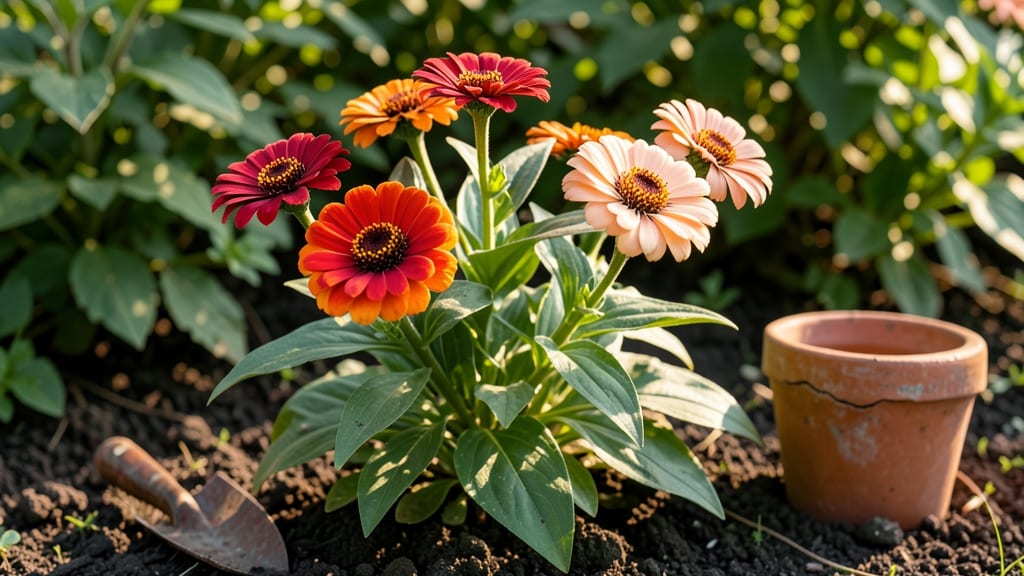
Growing zinnias in partial shade still yields fast, vibrant blooms with the right approach—these sun-loving flowers surprise even skeptics with their adaptability.
Struggling to grow zinnias in your shady garden spot? Don’t give up—these vibrant blooms can still thrive with the right varieties and care, even in partial shade. The key lies in choosing shade-tolerant types and tweaking a few growing habits to keep them happy.
Zinnias like 3-6 hours of sunlight daily, but some varieties handle morning sun and afternoon shade better than others. We’ll cover the top 5 fast-blooming options that shine in USDA Zone 6a and beyond, plus soil and water tricks to maximize flowers.
From soil prep to deadheading, you’ll learn how to coax more blooms out of your shade garden—no direct sun required. Ready to turn that dim corner into a zinnia hotspot?
 Best Window Placement
Top 5 zinnia varieties that flourish in partial shade
If you love zinnias but have a shady garden spot, you’re in luck! While zinnias typically crave full sun, these 5 shade-tolerant varieties will still deliver stunning blooms with minimal sunlight. The secret lies in choosing the right cultivars and providing optimal growing conditions for partial shade.
These varieties thrive with 3-6 hours of sunlight daily, making them perfect for east-facing beds or areas with afternoon shade.
Partial shade can actually protect zinnias from scorching in hot climates while still producing vibrant flowers. The key is selecting compact or slow-growing varieties that won’t stretch toward light.
Below, I’ve curated the best shade-friendly zinnias, including their bloom times, height ranges, and color palettes to help you pick the perfect fit for your garden.
🌱 Pro Tip: Always plant these zinnias in well-draining soil enriched with compost. Partial shade means less sunlight for photosynthesis, so healthy soil is critical for their success. Water consistently but avoid soggy roots—this is especially important for shade-grown zinnias.
The Benary’s Giant variety is a crowd-pleaser with its large, dinner-plate blooms that thrive in partial shade, especially if they receive morning sunlight. These zinnias are perfect for cut flower arrangements and will continue blooming until the first frost.
Their bold colors make them stand out in any garden bed, even with limited light.
For a more delicate look, the Crystal series offers elegant, lacy blooms in soft hues like cream and blush. This variety is exceptionally shade-tolerant and does well in dappled shade, making it ideal for woodland gardens or areas under tall trees.
Its compact height also makes it perfect for container gardening on patios or balconies.
If you’re working with small spaces or containers, the Thumbelina series is a game-changer. These dwarf zinnias grow just 6-12 inches tall and produce bright, cheerful blooms in shades of orange, red, and yellow.
Their high shade tolerance makes them ideal for window boxes or hanging baskets in partially shaded areas.
Another excellent choice for partial shade is the Profusion Series, known for its prolific blooming and compact growth habit. These zinnias come in a wide range of colors, including pink, purple, red, and white, and they thrive in 3-4 hours of sunlight daily.
Their continuous flowering makes them a favorite for long-lasting color in shady spots.
The Zahara Series brings a dramatic, moody vibe to partial shade gardens with its deep purple and burgundy blooms.
How to create ideal growing conditions for shade-loving zinnias
Zinnias may be sun-lovers by nature, but with the right adjustments, they can still thrive in partial shade. The key is creating a microclimate that mimics their ideal conditions while working with your garden's limitations.
Start by choosing the right spot—one that gets at least 3-4 hours of morning sun and afternoon shade, especially in hot climates. This balance prevents leggy stems while keeping foliage from scorching.
Before planting, amend your soil with organic compost or well-rotted manure to improve drainage and nutrient retention. Zinnias in shade need fertile, loamy soil to compensate for reduced photosynthesis.
Aim for a pH between 6.0 and 7.0, which is slightly acidic to neutral. Test your soil first—many garden soils lean too alkaline for optimal zinnia growth.
⚠️ Common Mistake Alert
Planting zinnias in deep shade (less than 3 hours of light) will result in stretched, weak stems and fewer blooms. Even shade-tolerant varieties need some direct sunlight to prevent etiolation (excessive stem elongation). If your spot gets only dappled light, consider container growing near a bright window or east-facing wall.
Watering becomes even more critical in partial shade. Zinnias in shade are prone to root rot if overwatered, but they also dry out faster than sun-loving plants. Water deeply 2-3 times per week in summer, aiming for 1 inch of water per week.
Use a moisture meter or stick your finger 1 inch into soil—if it's dry, it's time to water. Always water at the base of plants to avoid wetting foliage, which can invite fungal diseases like powdery mildew.
Boost your zinnias' performance with companion plants that improve light exposure and soil health. Try planting tall sunflowers or hollyhocks nearby to create a windbreak and reflect extra light. Low-growing companions like sweet alyssum or creeping thyme help suppress weeds while keeping soil cool.
Avoid planting near mint or oregano, which can compete aggressively for nutrients and shade out your zinnias.
To prevent leggy stems in partial shade, pinch back the tips of young plants when they reach 6 inches tall. This encourages bushier growth and more blooms. Deadhead spent flowers weekly to redirect energy into new blooms rather than seed production.
In late summer, apply a low-nitrogen fertilizer (like 5-10-10) to support continued flowering without promoting excessive foliage growth.
Monitor your zinnias for signs of stress, like yellowing leaves (often from overwatering) or drooping blooms (usually underwatering). In hot afternoons, provide temporary shade with a lightweight shade cloth (30-50% block) if leaves look scorched.
With these adjustments, your shade-loving zinnias will reward you with bold, long-lasting blooms all season long. 🌼