
Flowers
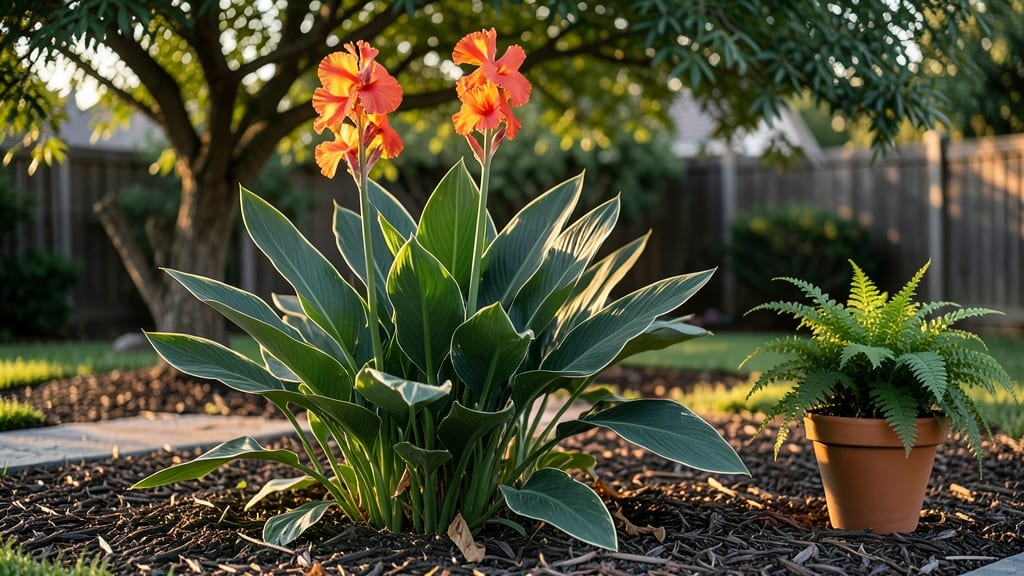
Canna lilies in shade grow best with shade-tolerant varieties like 'Striped' or 'Dwarf' cannas, which handle partial sunlight but produce fewer blooms than sun-loving types. Use well-draining soil and add morning sun exposure to boost growth and vibrant colors.
Shade-tolerant canna lilies adapt by focusing energy on leaf growth rather than blooms, which is why you'll see lush foliage but fewer flowers. 🌿 The key is selecting varieties bred for lower light conditions—these types prioritize survival over showy displays.
For example, 'Black Knight' thrives in partial shade with deep purple foliage, while 'Tropicanna' offers tropical charm with fewer but more resilient blooms. Morning sunlight (even just 2-3 hours) can significantly improve flower production without stressing the plant.
Well-draining soil is non-negotiable in shaded areas, as stagnant moisture leads to root rot—a common issue for cannas. I recommend mixing compost into clay-heavy soil to improve aeration. Mulching with pine bark helps retain moisture while keeping roots cool.
The trade-off for shade lovers is worth it: these varieties often survive winter better than sun-dependent types, making them ideal for northern gardens or wooded landscapes.
💡 In This Article
- How Light Affects Canna Lily Growth and Bloom Performance
- Top Shade-Tolerant Canna Lily Varieties for Low-Light Gardens
How light affects canna lily growth and bloom performance
Canna lilies rely on photosynthesis, but their efficiency drops dramatically in shade. In low-light conditions, chlorophyll production shifts to maximize leaf surface area—this is why shade-grown cannas develop broader, darker leaves. The trade-off? Energy diverted from blooms to foliage means fewer flowers, often smaller and less vibrant.
For example, 'Black Knight' canna produces deep purple leaves in shade but may only yield half the blooms of its sun-loving counterpart under identical conditions.
The science lies in chlorophyll's response to light wavelength. Shade reduces blue light exposure (which triggers flowering hormones), while red light (still present) promotes leaf growth.
This imbalance explains why shade cannas like 'Striped' focus on survival over reproduction. 🌿 Even 3-4 hours of morning sun can restore some bloom potential by balancing this energy allocation. The key is timing—afternoon sun can scorch leaves, while morning light provides gentle energy without stress.
Variety matters more than you'd think. Some cannas have evolved thicker, waxier leaves that reflect excess light in shaded areas, reducing heat stress. 'Dwarf' cannas, for instance, naturally grow closer to the ground, shielding their roots from temperature swings that sun-loving types can't handle.
This adaptation lets them thrive where others would wilt. The downside? Their blooms may lack the bold colors of sun-fed varieties, trading showiness for resilience.
Soil moisture plays a hidden role in this light trade-off. Shade cannas often sit in damp soil longer, which slows nutrient uptake—especially phosphorus, critical for flowering. That's why well-draining soil with compost becomes essential.
Without proper drainage, roots suffocate, and the plant can't allocate energy to blooms even if light conditions improve. Think of it as a two-part equation: light + drainage = bloom potential, with shade varieties having a lower threshold for both.
Here's what happens when you ignore these factors: Leaves grow leggy and pale, stems become weak, and blooms either fail to appear or drop prematurely. I've seen 'Tropicanna' cannas in deep shade produce only 10-20% of their potential blooms—yet their foliage remains lush.
The lesson? Shade cannas are survivors, not showstoppers. For maximum impact, pair them with morning sun and prioritize soil health over flower count.
Pro tip: If you're growing cannas in partial shade (4-6 hours of filtered light), supplement with a balanced fertilizer (10-10-10 ratio) every 4-6 weeks. The extra nutrients help offset the plant's reduced ability to photosynthesize efficiently. Just avoid high-nitrogen fertilizers—they'll make leaves grow faster but delay blooming even more.