
Light Requirements
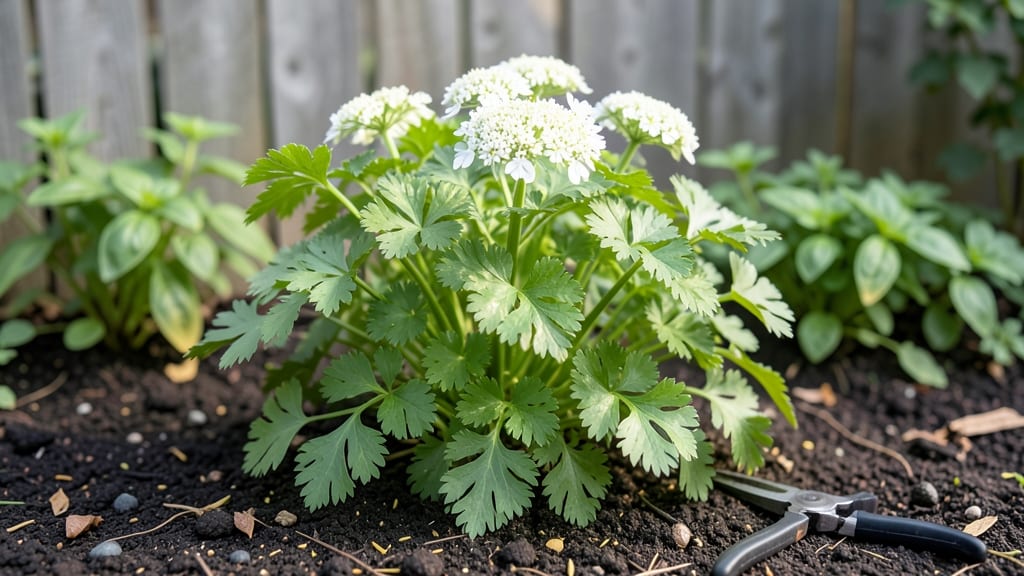
Cilantro flourishes in full sun or shade, but too much sun turns it bitter and bolty—here’s how to grow it right in any light spot. 🌿 I’ve learned the hard way that cilantro’s delicate leaves need protection from harsh afternoon rays, especially in hot climates. The trick?
Balance morning sun with afternoon shade to keep it tender and flavorful. Most gardeners assume cilantro needs full sun, but that’s a recipe for disappointment. Start with 4-6 hours of morning sunlight and extend shade as temperatures rise.
In hot zones, even dappled shade from nearby trees works wonders—just avoid deep shade, which weakens growth. A simple shade cloth (30-50%) can save your crop when temps hit 85°F+. You’ll notice the difference immediately: bright green, fluffy leaves instead of tough, bitter stems.
Harvest regularly to encourage new growth, and watch it stay productive for 4-6 weeks before bolting. The secret? Consistency—cilantro hates temperature swings almost as much as too much sun. For container growers, place pots where they get morning light and afternoon relief.
If you’re in a sunny spot with no shade options, try fast-maturing varieties like ‘Santo’ or ‘Calypso’—they produce before bolting takes over. Now, let’s get that cilantro growing!
📚 In This Guide
- What you need
- Instructions
- Tips and common mistakes
- Wrapping up and next steps
What you need
- ● Cilantro seeds: Organic, non-GMO seeds (about 1–2 tbsp per planting area). Look for varieties like ‘Santo’ or ‘Calypso’ for heat tolerance.
- ● Well-draining potting mix or garden soil: 1–2 bags (5–10 lbs each) of organic, peat-free mix (e.g., Miracle-Gro Organic Potting Soil) or amend garden soil with compost (1 part compost to 3 parts soil).
- ● Containers (if growing indoors or in pots): 5–7-inch diameter pots with drainage holes (or a raised garden bed for outdoor shade spots).
- ● Watering can or hose with a gentle spray nozzle: Cilantro hates soggy roots—consistent moisture is key!
- ○ Fertilizer (optional but helpful): Balanced organic fertilizer (e.g., Fish emulsion 5-5-5) or compost tea for a nutrient boost.
- ○ Gloves (optional but recommended): Protects hands from soil and sharp seeds.
- ● Trowel or small hand shovel: For digging planting holes (if direct-sowing).
- ● Spray bottle (for seedlings): Helps mist seeds gently during germination.
- ● Pruning shears: For harvesting leaves or trimming leggy growth.
- ○ Shade cloth (if in full sun): 30–50% shade fabric to protect seedlings from intense afternoon sun (optional but helpful in hot climates).
- ● A location with partial shade (4–6 hours of sun) or dappled sunlight (ideal for most climates). Full sun works in cooler regions but may cause bolting.
- ● Temperature range: 50–75°F (10–24°C). Avoid planting when temps exceed 80°F (27°C)—cilantro bolts quickly!
- ● pH-balanced soil: Aim for 6.2–6.8 pH. Test soil with a home pH kit if unsure.
How to grow cilantro in any light condition
Here's how to coax vibrant cilantro from both sun-drenched spots and shady corners.
🌱 Step 1: Prepare the Soil for Maximum Germination
Cilantro seeds need loose, well-draining soil to break through their tough outer shells. Work 2-3 inches of compost into the top layer of your garden bed or container mix—this improves drainage and provides nutrients without compacting. I like to sift in a handful of coarse sand if my soil feels heavy, as cilantro roots hate sitting in soggy conditions. The soil should crumble easily when squeezed but hold together when moist.
For containers, fill your pots with a blend of 50% potting mix and 50% perlite to prevent compaction. Cilantro's shallow roots need air circulation, so avoid garden soil which compacts easily. A soil test kit helps confirm your pH is between 6.2 and 6.8—cilantro thrives in this slightly acidic range. If your soil is too alkaline, add a bit of sulfur to adjust it before planting.
☀️ Step 2: Plant Seeds at the Right Depth and Spacing
Scatter seeds ¼ inch deep—any deeper and they'll struggle to emerge. I use my finger to make small furrows, then sprinkle seeds 12-18 inches apart in rows spaced 12 inches apart for full sun, or 6-8 inches apart in containers. For shady spots, plant seeds slightly closer together since growth will be more compact. Cover lightly with soil and mist gently until the surface looks evenly damp but not wet.
Don't press seeds into the soil—just cover them. Cilantro seeds need light to germinate properly, so planting too deep will delay or prevent sprouts. Water consistently until germination, which typically takes 7-14 days. Watch for the first tiny green leaves to appear—these are your signal that seeds have successfully broken through.
💧 Step 3: Adjust Watering for Light Conditions
In full sun, cilantro needs 1-1.5 inches of water per week, either from rainfall or irrigation. I water deeply in the morning so leaves dry quickly, preventing fungal diseases. For shady spots, reduce to ½ inch per week—cilantro in shade grows more slowly and requires less moisture. Always check the top inch of soil before watering; if it feels dry, it's time to water again.
Consistent moisture is key—cilantro hates drying out but also dislikes soggy roots. Mulch with 1-2 inches of straw or shredded leaves to retain moisture and keep roots cool. In hot climates, shade cloth helps protect cilantro from bolting (flowering prematurely), which turns leaves bitter. If your cilantro starts flowering, harvest leaves immediately and save seeds for next season.
✂️ Step 4: Harvest and Maintain for Continuous Growth
Begin harvesting outer leaves when plants reach 6-8 inches tall, using clean scissors to cut just above a leaf node. This encourages bushier growth and prevents bolting. I harvest cilantro every 2-3 weeks in full sun and 3-4 weeks in shade. For a steady supply, plant new seeds every 3-4 weeks—cilantro's short lifespan makes succession planting essential.
Fertilize lightly with a balanced organic fertilizer every 4-6 weeks to support leaf production. Too much nitrogen causes rapid growth that leads to bolting. Watch for pests like aphids or spider mites, which thrive on stressed plants. A strong spray of water usually removes them, but severe infestations may require neem oil. With proper care, cilantro grows best in partial shade but adapts well to full sun with consistent moisture.
Tips & tricks for perfect cilantro growth in any light
These simple adjustments will help you coax the freshest cilantro whether your garden gets blazing sun or dappled shade.
Soil Texture Matters: The 50% potting mix and 50% perlite blend in Step 1 is crucial for preventing compaction—cilantro roots need that air circulation to thrive. If your garden soil feels dense, work in an extra handful of coarse sand (about 1 cup per square foot) to mimic that perfect loose texture. I've found that adding a thin layer of vermiculite on top helps retain moisture while preventing crust formation that can block young sprouts from emerging.
Light-Specific Spacing Secret: For full sun, those 12-18 inch spacing guidelines in Step 2 are perfect for allowing air circulation that prevents fungal issues. But in shade, I've discovered you can safely reduce spacing to 8-10 inches—cilantro grows more slowly in shade and won't compete as aggressively for nutrients. Just be prepared to thin seedlings if they get too crowded after germination.
Germination Timing Tip: The 7-14 day germination window in Step 2 can feel like forever, but there's a trick: place a clear plastic dome or even a plastic bag over your newly planted seeds to create a mini greenhouse effect. This traps warmth and humidity, often bringing sprouts in just 5-7 days. Just remember to remove the cover once you see those first green leaves to prevent mold from forming on the soil surface.
Watering Consistency Hack: That 1-1.5 inch weekly watering guideline for full sun might seem like a lot, but here's how to make it easier: use a rain gauge or even a straight-edged container to measure your water output. For containers, I've found that watering until you see moisture running out the drainage holes ensures you're hitting that 1-1.5 inch target without overwatering. In shade, that ½ inch weekly becomes even simpler—just water when the top inch of soil feels dry to the touch.
Pro Tips for Cilantro Full Sun Or Shade
- These simple adjustments will help you coax the freshest cilantro whether your garden gets blazing sun or dappled shade.
- Soil Texture Matters: The 50% potting mix and 50% perlite blend in Step 1 is crucial for preventing compaction—cilantro roots need that air circulation to thrive.
- Light-Specific Spacing Secret: For full sun, those 12-18 inch spacing guidelines in Step 2 are perfect for allowing air circulation that prevents fungal issues.
Frequently asked questions
Got questions about growing cilantro in full sun or shade? You’re not alone! Here are some of the most common concerns—and their solutions—to help you cultivate the perfect cilantro patch, whether your garden is basking in sunlight or tucked in the shade.
Can cilantro grow in full sun or does it prefer shade?
Cilantro thrives in partial shade (3–6 hours of sunlight daily) but can tolerate full sun in cooler climates. In hot regions, too much sun causes it to bolt (flower prematurely). If your garden gets intense afternoon heat, opt for morning sun and afternoon shade for the best results.
How do I prevent cilantro from bolting in full sun?
Bolting happens when cilantro gets too hot or stressed. To delay it:
- Use shade cloth (30–50%) in peak sun hours.
- Water deeply at the base to keep soil cool.
- Harvest leaves regularly to encourage bushier growth.
- Choose bolt-resistant varieties like ‘Slow Bolt’ or ‘Calypso.’
Will cilantro grow in shade if my yard has no direct sunlight?
Yes! Cilantro can grow in partial to full shade, but expect slower growth and smaller leaves. Aim for at least 4–6 hours of filtered light (e.g., under trees or near a north-facing wall). If leaves look pale, supplement with a grow light for 4–6 hours daily.
What’s the best alternative if cilantro won’t grow in my light conditions?
If cilantro struggles, try these sun/shade-friendly herbs:
- Full sun: Basil, oregano, or thyme (all love heat!).
- Partial shade: Parsley, chives, or mint (great for low-light spots).
- Full shade: Lemon balm or ginger (thrive with minimal sun).
Why does my cilantro taste soapy in full sun?
The "soapy" flavor is genetic (some people detect it, others don’t), but stress from heat or drought can amplify it. To minimize the issue:
- Keep soil consistently moist (not soggy).
- Avoid over-fertilizing with nitrogen.
- Harvest leaves before bolting (younger leaves are milder).
Wrapping up and next steps
Whether you’re growing cilantro in full sun or partial shade, the key is adapting to your space while keeping it happy and healthy! 🌱 With the right soil, watering routine, and a little patience, you’ll soon be harvesting fresh, vibrant leaves for your favorite dishes.
Ready to give it a try?
Start by planting a small batch in a pot or garden bed—experiment with light levels to see what works best in your area. Soon, you’ll be enjoying homegrown cilantro in salads, salsas, and more! What will you cook first?