
Shrubs
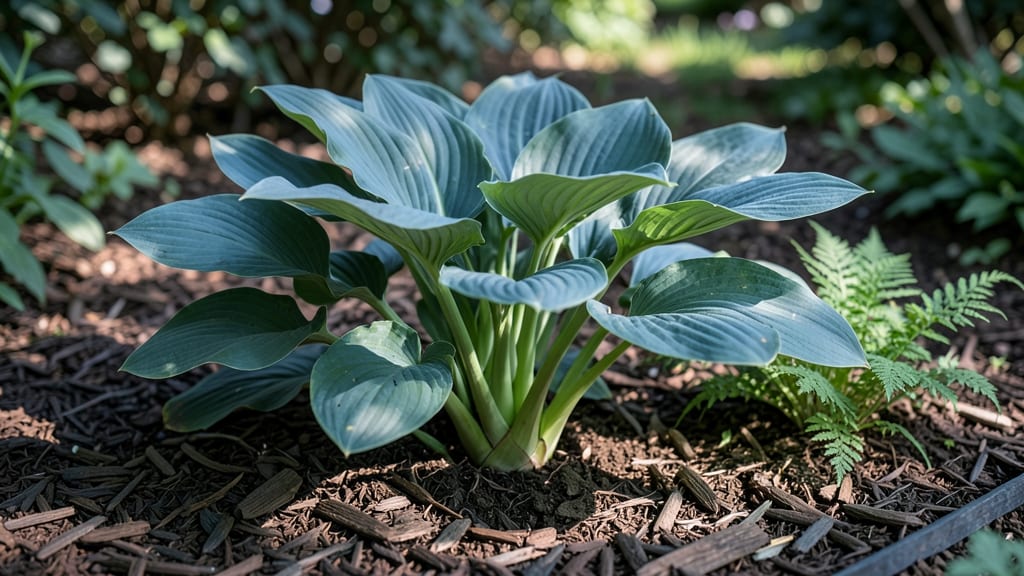
Hostas do well in shade, thriving in low-light conditions that many garden plants struggle with, though their leaf size, color intensity, and growth rate vary based on shade type and climate. Most varieties prefer dappled or full shade, particularly in hotter regions, while a few can handle bright indirect light with consistent moisture.
Hostas have evolved to excel in shaded environments, where their broad leaves efficiently capture even diffused light for photosynthesis. 🌿 The deeper the shade, the larger and lighter their foliage typically becomes—think of the classic blue-green 'Halcyon' developing softer hues in deep shade.
That said, too much darkness can slow growth, so pairing them with taller plants that filter but don't block light entirely creates the perfect microclimate. I've noticed that hostas in partial shade often develop more vibrant variegation, making them stand out in garden beds.
For gardeners in hot climates, this shade preference becomes a game-changer—hostas avoid the stress of afternoon sun while still providing lush, low-maintenance ground cover.
The key is matching varieties to your specific shade conditions: compact types like 'Francee' thrive in deep shade, while larger varieties such as 'Blue Angel' appreciate some filtered light to maintain their signature bold colors.
💡 In This Article
- How Shade Affects Hostas’ Growth and Health
- Best Hosta Varieties for Shady Gardens
How shade affects hostas’ growth and health
Hostas have mastered the art of low-light survival through a specialized photosynthesis process called C3 photosynthesis, which allows them to thrive in environments where direct sunlight is scarce. Unlike sun-loving plants that rely on intense light for energy, hostas efficiently capture diffused light through their broad, horizontal leaves.
This adaptation means they can grow in areas where other perennials would struggle, such as under trees or on north-facing walls. 🌿 The trade-off? Their growth rate slows in deep shade, but their resilience makes them perfect for understory planting.
The intensity of shade directly impacts hostas' leaf characteristics. In dappled shade (filtered light with occasional sun), varieties like 'Blue Angel' develop deeper blue-green hues and tighter foliage patterns, while in deep shade, leaves often grow larger and lighter in color as the plant stretches toward available light.
This phenomenon, called etiolation, is a survival mechanism where stems elongate and leaves widen to maximize light absorption. Interestingly, hostas in deep shade also produce fewer flowers, redirecting energy to leaf growth rather than reproduction.
Root development plays a crucial role in shade tolerance. Hostas develop a dense, fibrous root system that spreads horizontally rather than deeply, allowing them to efficiently absorb moisture and nutrients from the topsoil layer. This adaptation is particularly beneficial in shaded areas where soil can remain cooler and more humid.
In fact, studies show that hostas in shaded conditions maintain higher soil moisture levels around their roots compared to sun-exposed plants, reducing stress during dry spells. Proper mulching with 2-3 inches of organic matter further enhances this effect by retaining moisture and regulating soil temperature.
Shade also influences disease resistance. Hostas grown in partial shade are less prone to fungal issues like slime mold and leaf spot because their foliage stays drier and receives better air circulation.
The cooler, more humid microclimate under trees creates ideal conditions for fungal growth, but hostas' natural resistance to many pathogens gives them an edge.
However, deep shade can sometimes lead to pale, leggy growth if light is too limited, making it essential to monitor leaf color and adjust plant placement if needed.
Color intensity is another fascinating shade response. Chlorophyll production shifts under different light conditions: in bright indirect light, hostas develop richer variegation patterns (like the golden edges of 'Francee'), while deep shade often mutes these colors, resulting in more uniform green or blue tones.
This is why gardeners in hot climates often place hostas in morning sun with afternoon shade—it strikes a balance between growth and color vibrancy. The result? A plant that's both healthy and visually striking without the stress of full sun exposure.
For practical application, consider these shade zones when planting: Full shade (less than 3 hours of direct light) suits compact varieties like 'Halcyon,' while partial shade (4-6 hours of light) works well for larger types such as 'Guacamole.'
Positioning hostas near deciduous trees provides natural seasonal light adjustments—bright spring/summer light followed by protective winter shade. This dynamic environment helps maintain optimal growth throughout the year. 💫