
Planting
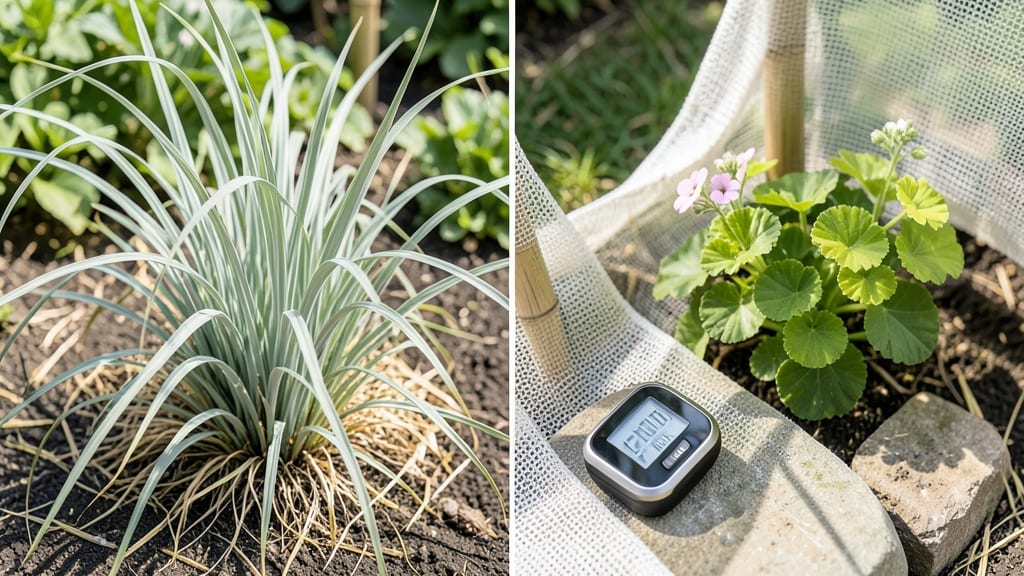
A citronella plant thrives in full sun to partial shade 🌿 — but getting the balance right is the difference between a fragrant, oil-rich harvest and a weak, underperforming bush.
Picture this: you’ve planted your citronella, watered it faithfully, and waited months for that signature citrus scent to repel mosquitoes. Yet when you crush the leaves, there’s barely a whiff.
The culprit? Too little sun. Citronella’s natural oil production—its superpower against pests—peaks under bright, direct light, but too much scorches the leaves.
Here’s the science-backed breakdown: 6+ hours of sunlight fuels oil yield, but in hot climates (like USDA Zone 6a), afternoon shade prevents wilting. I’ll walk you through how to spot light stress, adjust care by variety, and tweak your setup for the strongest scent—no guesswork, just results.
Ready to turn your citronella into a mosquito-fighting powerhouse? Let’s dive into the exact light conditions that transform a struggling plant into a high-oil, high-aroma winner.
 Best Window Placement
Ideal sunlight requirements for citronella oil production
If you're growing citronella to maximize its natural oil production, sunlight is your most powerful ally. Citronella plants (Cymbopogon spp.) thrive in full sun, but the intensity and duration of light directly influence their aromatic oil content.
Without enough sunlight, your plant might grow tall and leggy but produce weak pest-repellent oils. Let’s break down the science so you can optimize your harvest.
The key to strong citronella oil lies in 6 to 8 hours of direct sunlight daily. This range balances growth and oil synthesis, ensuring your plant develops the citronella compounds that repel mosquitoes and other pests.
In tropical climates, even 9+ hours of sun can work, but temperate gardeners should aim for the lower end to avoid heat stress.
Now, let’s compare how different light conditions affect your citronella’s performance, oil yield, and overall health.
For maximum citronella oil production, prioritize full sun exposure. Plants grown in 6+ hours of direct sunlight develop thicker, more fragrant leaves with higher concentrations of citronella compounds.
Studies show that oil content can increase by up to 40% when plants receive optimal light compared to those in partial shade.
In hot climates (Zones 9–11), afternoon shade can prevent heat stress while still allowing 6+ hours of morning sun. Use lightweight shade cloth (30–50%) if temperatures exceed 90°F (32°C). In cooler regions (Zones 6–8), extend sunlight exposure by placing plants near south-facing walls or windows.
If your citronella is in partial shade, supplement with a grow light (LED or fluorescent) for 4–6 hours daily. Focus on the top and sides of the plant to encourage even growth. Avoid placing lights too close, as this can scorch delicate leaves.
Monitor your plant’s leaf color and scent as key indicators of light success. Healthy citronella leaves should be bright green and highly aromatic. If leaves turn yellow or pale, it’s a sign of light deficiency.
Conversely, brown or crispy edges mean too much sun—adjust with shade cloth or prune to reduce stress.
Pro tip: Harvest leaves in the late morning when oil concentrations peak. The stronger the sunlight exposure, the more potent your natural mosquito repellent will be. With the right light balance, your citronella can become a powerhouse of aromatic, oil-rich foliage.
Ready to optimize your citronella’s light conditions? Start by moving potted plants to sunnier spots or thinning nearby foliage to increase airflow and sunlight penetration. Your future pest-free garden starts with the right light!
How to adjust light conditions for different citronella varieties
Not all citronella plants thrive equally under the same light conditions. The two most common varieties—Cymbopogon nardus (Java citronella) and Cymbopogon winterianus (Mauritius citronella)—have distinct preferences that directly impact their oil yield and growth vigor.
Understanding these differences lets you tailor your garden setup for maximum citronella potency and pest-repelling power.
Java citronella (Cymbopogon nardus) demands full sun exposure (6+ hours daily) to produce its signature lemony aroma and high oil content. Without sufficient light, its growth becomes leggy and weak, and oil production plummets.
Meanwhile, Mauritius citronella (Cymbopogon winterianus) tolerates slightly more shade but still performs best with partial sun (4-6 hours). This variety often thrives in temperate climates where intense afternoon sun can scorch leaves.
If your Java citronella starts showing signs of light deprivation—like pale, sparse leaves or weak stems—move it to a sunnier spot immediately. For Mauritius citronella, too much direct sun can cause leaf scorch (brown edges).
In these cases, provide afternoon shade using a sheer curtain or nearby trees to protect the foliage while maintaining morning sunlight for energy.
Seasonal adjustments are key for year-round oil production. During summer months, both varieties may need afternoon shade in hot climates, while winter light often requires supplemental grow lights to maintain 6+ hours of exposure.
I’ve found that using reflective surfaces (like white walls or mirrors) near containers can boost light efficiency by 20-30%, helping citronella thrive even in shadier gardens.
For container gardening, prioritize south-facing windows or balconies. If indoor light is insufficient, rotate pots weekly to prevent uneven growth. Outdoor plants should be spaced 18-24 inches apart to allow air circulation and even sunlight distribution.
Remember: oil potency is directly tied to light exposure, so don’t skimp on brightness for these fragrant workhorses.
Pro tip: Harvest leaves in the morning after sun exposure when oil content peaks. This simple habit maximizes your citronella’s pest-repelling power while encouraging bushier regrowth—just don’t cut more than one-third of the plant at once to avoid stress. 🌿