
Shrubs
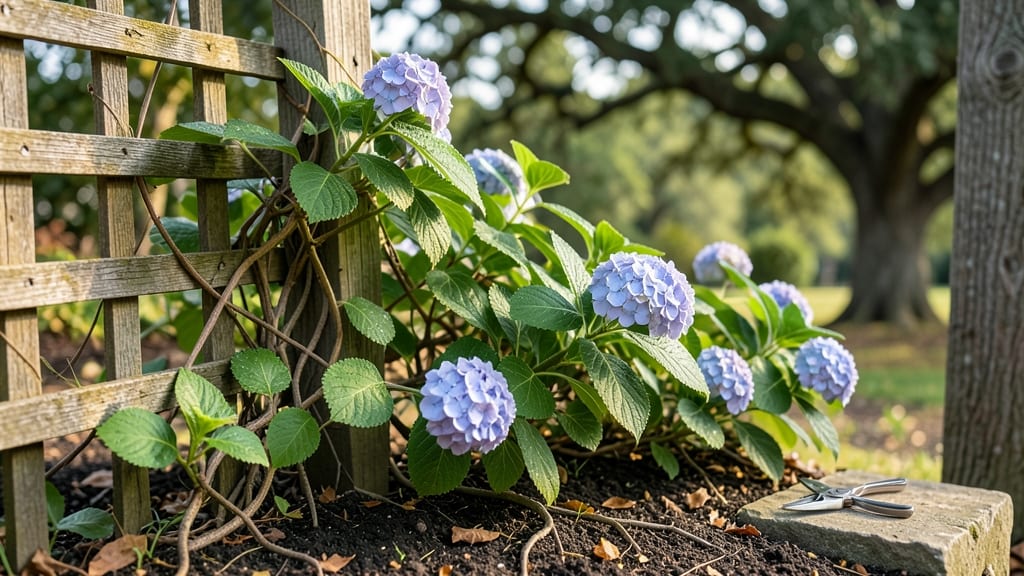
Climbing hydrangeas thrive in sun or shade, but the right conditions unlock their full potential 🌸—whether you’re dealing with bright afternoons or dappled woodland light.
Struggling to find a climbing hydrangea that thrives in your garden’s lighting conditions? The right variety can transform your vertical space into a lush, blooming paradise—whether you have full sun or dappled shade.
These vines aren’t fussy, but they do reward precise care. Too much direct sun can scorch leaves, while too little light may mean sparse blooms. I’ll walk you through the best varieties for each scenario, plus how to train them for maximum impact.
You’ll learn which hydrangeas handle morning sun best, how to protect them from afternoon heat, and even how to revive leggy growth if you’ve missed the mark.
 Best Window Placement
Best climbing hydrangea varieties for sun exposure and their care needs
If you're dreaming of a vertical garden bursting with vibrant blooms, sun-loving climbing hydrangeas are your best bet. Unlike their shade-loving cousins, these varieties thrive in bright light and reward you with bold, long-lasting flowers.
The key is choosing the right Hydrangea petiolaris cultivar—one that matches your garden’s sun exposure while meeting its soil and water needs.
Most climbing hydrangeas prefer morning sun with afternoon shade, but some varieties handle full sun beautifully, especially in cooler climates. For example, ‘Tina’ and ‘Annabelle’ are top performers in sunny spots, while others may need protection from harsh afternoon rays.
Let’s dive into the best sun-tolerant varieties and how to keep them thriving.
Comparison Table: Sun-Loving Climbing Hydrangeas
| Variety | Sun Tolerance | Soil Preference | Bloom Time | Care Tips |
|---|---|---|---|---|
| Hydrangea petiolaris ‘Tina’ | Full sun to partial shade | Well-draining, acidic | Late spring to summer | Prune after flowering; mulch annually |
| Hydrangea petiolaris ‘Annabelle’ | Partial shade to full sun | Moist, fertile, neutral pH | Mid to late summer | Water deeply; avoid overhead spraying |
| Hydrangea petiolaris ‘Miranda’ | Partial shade (tolerates some sun) | Rich, moist, acidic | Late summer to fall | Prune lightly; protect from wind |
| Hydrangea petiolaris ‘Haas’ | Partial shade (best in filtered light) | Well-draining, slightly acidic | Early to mid-summer | Stake young plants; mulch heavily |
The Hydrangea petiolaris ‘Tina’ stands out for its sun tolerance and prolific blooms, making it ideal for south-facing walls or bright pergolas. This variety thrives in USDA zones 5-9 and can climb up to 30 feet with proper support.
To encourage vigorous growth, plant it in well-draining soil enriched with compost or peat moss.
For hotter climates, opt for ‘Annabelle’, which handles afternoon shade better than full sun. Its large, creamy-white blooms create a stunning focal point. Water consistently—this variety is drought-sensitive once established. Mulch around the base to retain moisture and cool roots during peak summer heat.
When planting, choose a location with morning sun to avoid leaf scorch from intense afternoon rays. If your garden has full sun exposure, consider providing light shade with a sheer curtain or lattice structure.
Always plant near a support structure like a trellis, fence, or arbor to guide its climbing habit.
Pruning is critical for sun-loving climbing hydrangeas. Prune after flowering in late summer or early fall to shape the plant and remove dead wood. Avoid heavy pruning in spring, as this can reduce flowering.
Use sterilized shears to prevent disease spread, and always prune just above a leaf node for best results.
Fertilize in early spring with a balanced 10-10-10 fertilizer to support new growth and bloom production. Avoid high-nitrogen fertilizers, which can promote foliage over flowers.
Instead, focus on phosphorus and potassium for strong blooms and root development. Apply fertilizer 2-3 inches away from the stem to prevent root burn.
Watch for common issues like leaf scorch or poor flowering, which often signal improper light or watering. If leaves turn brown and crispy, your plant may need more shade or
Shade-tolerant climbing hydrangeas: hidden gems for low-light gardens
If your garden struggles with low-light conditions, don’t despair—there are climbing hydrangeas perfectly suited to thrive in partial or full shade. These shade-tolerant varieties offer lush foliage and stunning blooms without demanding harsh sunlight.
The key is selecting the right cultivar and providing proper care tailored to their light needs.
Unlike sun-loving varieties, shade-adapted climbing hydrangeas like Hydrangea petiolaris ‘Miranda’ and H. anomala prioritize vibrant growth over abundant blooms in dimmer settings. Their delicate leaves and climbing habit make them ideal for trellises, fences, or walls in shady corners.
With the right approach, you can coax prolonged flowering and healthy vines even in the darkest spots.
Top Shade-Tolerant Climbing Hydrangeas
- Hydrangea petiolaris ‘Miranda’ – Thrives in full shade, produces creamy-white blooms in late summer, and clings effortlessly to vertical surfaces with aerial roots.
- Hydrangea petiolaris ‘Haas’ – Adapts to partial shade, showcasing deep green leaves and fragrant white flowers that last into fall.
- Hydrangea anomala ‘Purpurea’ – A hardy shade-lover with purple-tinged foliage and pinkish blooms, perfect for cool, damp climates.
- Hydrangea anomala ‘Grandiflora’ – Offers large, lacecap flowers in white or pink, ideal for woodland gardens with dappled light.
To maximize blooms in shady conditions, focus on pruning strategies that encourage airflow and light penetration. Unlike sun-loving varieties, shade-tolerant climbers benefit from minimal pruning—remove only dead or crossing branches in late winter.
Avoid heavy cuts, as this can stress the plant and reduce flowering. Instead, train vines gently along supports to create an open, airy structure that catches stray light rays.
Companion planting also plays a crucial role in low-light gardens. Pair your climbing hydrangeas with shade-friendly perennials like hostas, ferns, or astilbes to create a multi-layered display. These plants complement the hydrangea’s height while enhancing soil moisture and reducing competition.
Mulch with organic matter (like shredded bark) to retain moisture and insulate roots during temperature swings.
Watering needs shift slightly in shade—consistent moisture is critical, but overwatering can lead to root rot in dense, shaded soils. Aim for deep watering 2-3 times per week during dry spells, focusing on the root zone.
In full shade, reduce frequency to once weekly unless the soil feels bone-dry. A layer of mulch (3-4 inches) will help lock in moisture and regulate soil temperature.
With these shade-tolerant varieties and care adjustments, your vertical garden can become a year-round spectacle—even in the dimmest corners. Experiment with different supports (arbors, pergolas, or obelisks) to see which structure best showcases your hydrangea’s climbing prowess and blooming potential. 🌿🌸🪴