
Light Requirements
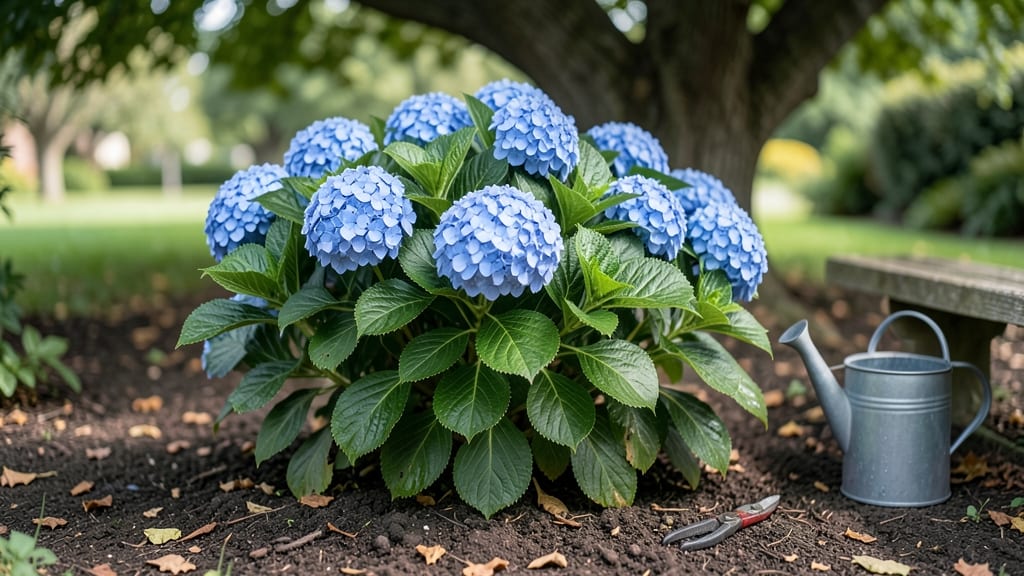
Your darkest garden corners can still burst with color—full shade flowering shrubs prove that beauty thrives where sunlight fears to tread. 🌿 I’ve turned my own shady spots into lush, fragrant retreats using plants that bloom reliably even under tree canopies or north-facing walls.
The key? Choosing shrubs with the right growth habits and knowing how to layer them for maximum impact.
Think hydrangeas with paper-like blooms that shift color with soil pH, azaleas with clusters of trumpet-shaped flowers, or ferns with delicate fronds that add texture year-round. These plants don’t just survive in shade—they thrive, offering seasonal interest from early spring blooms to winter berries.
Their deep roots also help suppress weeds, making them low-maintenance stars in any garden.
You’ll create focal points with bold foliage like Japanese maples or weave them into borders for soft, continuous color. Pair them with hostas, astilbes, or shade-loving perennials to build layers that feel lush and intentional.
The best part? These shrubs attract pollinators even in low light, turning your shady areas into hidden havens for bees and butterflies.
Perfect for understory planting, foundation beds, or even container gardens on patios. Let’s bring life to those forgotten spots—your garden’s darkest corners just got an upgrade. Here’s how to choose and arrange them for maximum wow factor.
📚 In This Guide
- What you need
- Instructions
- Tips and common mistakes
- Wrapping up and next steps
What you need
- ● Full-shade flowering shrubs: Choose from 3–5 varieties (e.g., Hydrangea macrophylla, Pieris japonica, Azalea, or Calycanthus floridus). Buy 1–3 plants per variety for a balanced look.
- ● High-quality potting soil: 2–3 cubic yards (or 10–15 1.5-cubic-foot bags) of well-draining, organic-rich soil (e.g., Miracle-Gro Garden Soil or FoxFarm Ocean Forest).
- ● Organic mulch: 2–3 bags of shredded bark or pine needles to retain moisture and suppress weeds.
- ● Slow-release fertilizer: 1–2 bags of 10-10-10 or 5-10-5 fertilizer (e.g., Espoma Garden-Tone) for nutrient-rich soil.
- ● Pruning shears: Sharp, bypass-pruners (e.g., Fiskars Steel) for shaping and maintenance.
- ● Garden gloves: A pair of durable, breathable gloves (e.g., Workrite) to protect your hands.
- ● Watering can or hose: With a gentle spray nozzle for even watering.
- ● Garden trowel: For digging small holes (6–8 inches deep).
- ● Soil pH tester: To check acidity (ideal pH: 4.5–6.0 for most shade-loving shrubs).
- ● Epsom salt: 1–2 pounds for magnesium-rich soil (great for hydrangeas!).
- ● Decorative stones: For borders or pathways (e.g., pebbles or lava rock).
- ● Drip irrigation system: For consistent moisture in larger gardens.
- ● Plant supports: Stakes or cages for taller shrubs (e.g., hydrangeas).
How to select and plant full shade flowering shrubs
Here’s how to transform dark garden corners into vibrant displays with shrubs that thrive in low light.
🌱 Step 1: Choose the Right Shrubs for Your Shade Level
Not all shade is equal—deep shade (less than 3 hours of sunlight) and partial shade (3-6 hours of sunlight) require different shrubs. For deep shade, go for hydrangeas (like 'Annabelle' or 'Endless Summer'), azaleas, or calycanthus (spicebush). These handle dim light best. In partial shade, pieris (andromeda), dwarf fothergilla, and inkberry holly shine with bold foliage and flowers.
Check your spot’s moisture level too. If the soil stays soggy, pick inkberry holly or dwarf fothergilla—they tolerate wet roots. For drier shade, hydrangeas or azaleas need consistent moisture but won’t rot. I always dig a hole twice as wide as the root ball to avoid crowding, which shrubs hate.
🪴 Step 2: Prepare the Planting Site
Clear weeds and loosen the soil to 12 inches deep—shrubs need room to establish roots. Mix in 2-3 inches of compost (from your list) to boost fertility, especially in dense shade where nutrients deplete faster. If your soil is heavy clay, add 1 part perlite (from your list) to 3 parts soil to improve drainage.
Test the pH if planting azaleas or hydrangeas—they prefer acidic soil (pH 4.5-5.5). A simple soil test kit (from your list) tells you if you need sulfur to lower pH or lime to raise it. I’ve seen hydrangeas struggle in alkaline soil, so this step saves headaches later.
☀️ Step 3: Plant with Proper Spacing and Mulch
Dig holes twice as wide as the root ball but no deeper—burying the stem too deep suffocates the plant. Place the shrub so the top of the root ball sits 1 inch above soil level. Backfill with native soil, tamping gently to remove air pockets. For 4 shrubs, space them 3-5 feet apart (check tags for mature size—some like pieris stay compact, while hydrangeas need room).
Spread 2-3 inches of mulch (from your list) around the base, keeping it 3 inches away from stems to prevent rot. Use pine straw or shredded bark—they break down slowly and retain moisture. Water deeply after planting to settle the soil, then let the mulch shield roots from temperature swings.
💧 Step 4: Water and Fertilize for First-Year Success
Water deeply 2-3 times per week for the first month, then taper to once a week once leaves appear. Shrubs in shade dry out slower, but their roots still need moisture to reach deep. You’ll know it’s right when the soil feels damp 2 inches down—not soggy, not bone-dry.
Fertilize lightly in spring with a balanced, slow-release fertilizer (from your list). Too much nitrogen makes shrubs leafy but flowerless. I use 10-10-10 at half-strength for azaleas and 5-10-5 for hydrangeas. Skip fall feeding—shrubs rest then, and extra nutrients can invite pests.
✂️ Step 5: Prune for Shape and Seasonal Care
Prune right after flowering (late summer) to shape shrubs like hydrangeas or fothergilla. Cut back dead or crossing branches first, then trim 1/3 of old growth to encourage new blooms. For azaleas, prune just after blooming—they flower on last year’s wood. Avoid heavy pruning in fall; it stresses plants before winter.
In deep shade, watch for powdery mildew on hydrangeas—it loves damp, shady conditions. Spray with neem oil (from your list) at the first sign of white dusting. I also deadhead spent blooms on pieris to keep them tidy, but leave seed heads on calycanthus for winter interest.
Tips & tricks for perfect full shade flowering shrubs
Real talk: The difference between a thriving shade garden and a sad, struggling one often comes down to these small but critical details.
Shade Level Nuance: That "3-6 hours of sunlight" range for partial shade is a sliding scale—morning sun behaves differently than afternoon sun. If your spot gets harsh midday rays but cooler morning light, lean toward inkberry holly or pieris, which tolerate brief heat better than azaleas or calycanthus. I learned this the hard way after watching hydrangeas wilt under unexpected afternoon heat.
Root Ball Inspection: Before planting, check the root ball for circling roots—these are a red flag. Gently tease them apart with your fingers or a fork in Step 3. Circling roots strangle themselves as the plant grows. This simple 2-minute check prevents years of stunted growth. I always do this while my gloves are still on from digging holes.
Mulch Layer Strategy: That 2-3 inches of mulch isn't just for looks—it's a moisture shield and temperature regulator. For extra insurance in dry shade, top with 1 inch of straw mulch after the initial 2-3 inches. This creates a moisture barrier that keeps roots consistently damp without risking rot from over-mulching. I've seen shrubs in dry shade thrive with this double-layer trick.
Pro Tips for Full Shade Flowering Shrubs
- Real talk: The difference between a thriving shade garden and a sad, struggling one often comes down to these small but critical details.
- Shade Level Nuance: That "3-6 hours of sunlight" range for partial shade is a sliding scale—morning sun behaves differently than afternoon sun.
- Root Ball Inspection: Before planting, check the root ball for circling roots—these are a red flag.
Frequently asked questions
Got questions about thriving full-shade flowering shrubs? You’re not alone! Here are answers to the most common concerns—so you can confidently transform those shady spots into vibrant displays.
Which full-shade flowering shrubs bloom the longest?
Look for Hydrangea macrophylla (with its repeat blooms in cooler months) or Pieris japonica, which flowers early spring through summer. Azalea varieties also shine with extended color, especially in partial shade. For year-round interest, pair them with evergreen shrubs like Oakleaf Hydrangea.
How long does it take for full-shade shrubs to flower?
Most take 1–3 years to establish and bloom, depending on the species. Azaleas and Rhododendrons may flower sooner (1–2 years) if planted in well-draining soil, while Hydrangeas can take up to 3 years. Patience pays off—healthy roots = bigger blooms!
Do full-shade flowering shrubs need extra water?
Yes! While they tolerate shade, they still need consistent moisture, especially in the first year. Mulch (2–3 inches) helps retain water, and avoid soggy soil—root rot is a common issue. Water deeply 1–2 times per week during dry spells, but adjust for your climate.
What if my full-shade shrub isn’t flowering?
Check these fixes:
- Light: Ensure it’s true shade (≤3 hours of sun) but not deep shade (like under dense trees). Some varieties (like Camellias) need dappled light.
- Soil: Test pH—most prefer acidic soil (5.0–6.0). Amend with peat moss or sulfur if needed.
- Fertilizer: Use a balanced, slow-release fertilizer (like 10-10-10) in early spring.
Are there non-toxic full-shade flowering shrubs for pets?
Opt for Dwarf Fothergilla, Viburnum odoratissimum (sweet viburnum), or Cotoneaster dammeri. Avoid Rhododendrons and Azaleas—they’re toxic to dogs and cats. Always double-check with the ASPCA’s toxicity database for peace of mind.
Wrapping up and next steps
Transforming your shady spots into vibrant, blooming havens is easier—and more rewarding—than you might think! 🌿 With the right full shade flowering shrubs, you can turn forgotten corners into lush, colorful displays that thrive where others falter.
Whether you're a seasoned gardener or just starting out, these hardy plants prove that even the darkest gardens deserve a little sunshine—in the form of bold blooms.
Ready to take the next step? Start small—pick one or two shrubs that suit your space and soil, then watch your garden come alive. Need inspiration? Browse our plant guides or visit local nurseries to find the perfect match for your shady sanctuary!