
Shrubs
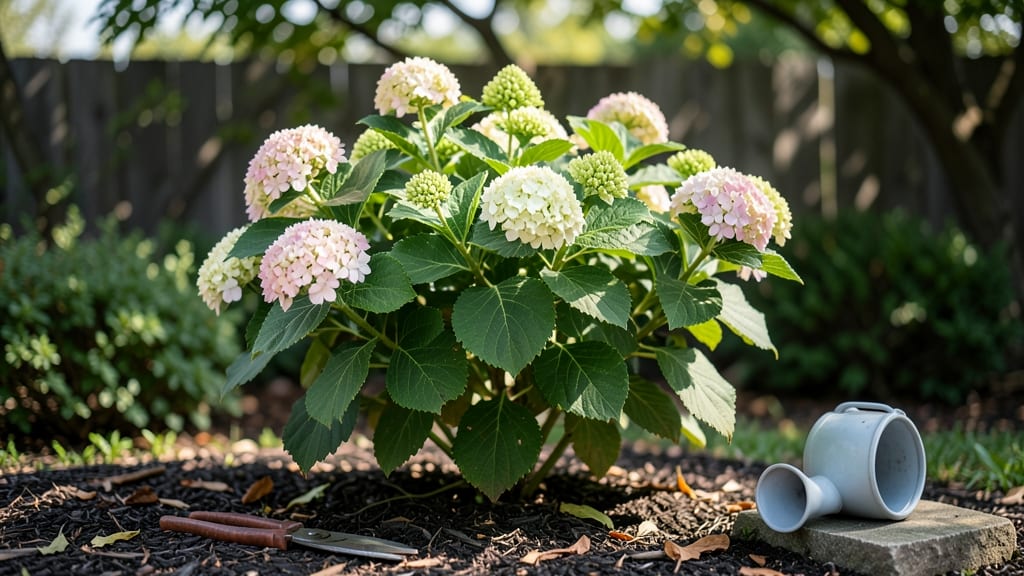
Oakleaf hydrangeas thrive in deep shade where most plants struggle to survive. ✨ I've grown them in my heavily shaded backyard for years, and they've become the star of my garden—producing stunning foliage and occasional blooms even when sunlight is scarce.
The secret lies in their adaptability: they tolerate partial to full shade, making them perfect for north-facing gardens, dense tree canopies, or even under eaves. They prefer moist, well-draining soil rich in organic matter, so amending with compost before planting gives them a strong start.
Unlike other hydrangeas, they don’t need full sun to shine.
With the right care, you’ll end up with vibrant, deep-green leaves that turn fiery red or purple in fall, plus clusters of delicate flowers. They’re also cold-hardy, surviving winters in zones 4-9 without fuss.
The key is keeping the soil consistently moist and pruning lightly in late winter to encourage fresh growth.
Pair them with ferns, hostas, or astilbes for a lush, layered shade garden. If your oakleaf hydrangea struggles, check for leaf scorch (too much sun) or poor drainage—both are easy fixes. This plant proves shade doesn’t mean sacrificing beauty.
📚 In This Guide
- What you need
- Instructions
- Tips and common mistakes
- Wrapping up and next steps
What you need
- ● Oakleaf hydrangea plants: 1–3 mature plants (USDA Zones 5–9; choose Hydrangea quercifolia cultivars like 'Snow Queen' or 'Pee Wee' for compact growth).
- ○ Optional: Bare-root or container-grown plants (container-grown are easier for beginners!).
- ● Soil amendments: 5–10 gallons of peat moss or compost (improves drainage and fertility).
- ● 1–2 pounds of slow-release 10-10-10 fertilizer (or organic options like worm castings).
- ● Mulch: 3–4 inches of wood chips or shredded bark (retains moisture and protects roots in winter).
- ● Tools: 1 shovel or spade (for digging holes).
- ● 1 garden trowel (for delicate root adjustments).
- ● 1 pruning shears (sterilized; for shaping or cleanup).
- ● 1 watering can or hose with a gentle nozzle (hydrangeas love moisture!).
- ● 1 gloves (to protect your hands from thorns and soil).
- ● Location: A partial to full shade spot (dappled sunlight is ideal; avoid harsh afternoon sun).
- ● Soil test: Check pH (oakleaf hydrangeas thrive in acidic to neutral soil (pH 5.5–6.5); amend with sulfur if needed).
- ● Spacing: Plant 3–6 feet apart (depending on cultivar; dwarf varieties need less room).
- ● Water source: Ensure consistent moisture (drip irrigation or a soaker hose works best).
- ● 1 plant support stake (for young or top-heavy plants in windy areas).
- ● 1 soil moisture meter (to monitor hydration levels).
- ● 1 lightweight frost cloth (for young plants in Zone 5 during late spring frosts).
- ● 1 hydrangea flower food (like aluminum sulfate; enhances blue blooms if desired).
How to plant and care for oakleaf hydrangeas in shade
Here’s how to create stunning, low-maintenance shade gardens using oakleaf hydrangeas—nature’s own cold-hardy showstoppers.
🪴 Step 1: Choose the Perfect Planting Site
Oakleaf hydrangeas thrive in partial to full shade, but they need at least 4-6 hours of dappled sunlight daily to produce their signature fall foliage colors. Avoid deep, dark corners where soil stays cold and wet—this leads to root rot. Instead, pick a spot near a northern exposure or under tall trees where filtered light filters through. The ideal location balances shade for summer heat protection with enough light for vibrant blooms.
Dig a hole twice as wide as the root ball but only as deep—planting too deep suffocates roots. Loosen the sides of the hole with your hands to encourage root spread. I always add a handful of organic compost to the bottom to improve drainage and fertility. This ensures your hydrangea starts with a nutrient boost in its new home.
🌱 Step 2: Plant with Proper Spacing and Soil Prep
Space oakleaf hydrangeas 6-8 feet apart—they grow into large, dramatic shrubs with arching branches. For a fuller look, plant 3-4 shrubs in a cluster rather than a single specimen. Amend the native soil with 3-4 inches of organic matter (like compost or aged manure) mixed into the top 12 inches of soil. These plants prefer slightly acidic to neutral soil (pH 6.0-7.0)—test your soil before planting to adjust if needed.
Place the hydrangea in the hole so the top of the root ball sits 1 inch above ground level. This prevents water from pooling around the stem during rain. Backfill with the amended soil, pressing gently to remove air pockets. Water deeply until the soil 1 foot down is thoroughly moistened. Mulch with 2-3 inches of shredded bark or wood chips, keeping mulch 6 inches away from the stem to prevent rot.
☀️ Step 3: Water Deeply and Protect New Growth
Water once a week for the first month, soaking the soil to 12 inches deep. Oakleaf hydrangeas are drought-tolerant once established, but young plants need consistent moisture to develop strong roots. Check soil moisture by sticking your finger 2 inches deep—water when it feels dry. Overwatering is worse than underwatering; these plants hate soggy feet.
In their first year, protect new growth from late spring frosts by covering with a frost blanket if temperatures dip below 28°F. Their leaves are stunning in fall, but young plants can suffer damage from sudden cold snaps. Prune only to remove dead or crossing branches—wait until late winter or early spring to shape the shrub. This ensures you don’t cut off next year’s blooms.
🌿 Step 4: Feed and Prune for Seasonal Drama
Apply a slow-release fertilizer in early spring (like 10-10-10) to encourage new growth. Oakleaf hydrangeas don’t need heavy feeding, but a light boost in spring and once in midsummer keeps their foliage lush. I avoid high-nitrogen fertilizers—they promote leafy growth at the expense of flowers. Instead, use a balanced or bloom-boosting formula for best results.
Prune after blooming (late summer) to remove dead or weak stems and shape the shrub. These hydrangeas bloom on old and new wood, so avoid heavy pruning in late winter—you’ll sacrifice next year’s flowers. Instead, trim back 1/3 of the oldest stems each year to encourage fresh growth. Their oak-shaped leaves turn fiery red and orange in fall, so resist the urge to cut them back too early.
⏰ Step 5: Winterize for Cold-Hardy Resilience
Oakleaf hydrangeas are USDA zones 4-9 hardy, but young plants benefit from winter protection. In zones 4-5, mound 4-6 inches of mulch around the base after the first hard frost. This insulates roots from temperature swings. Older plants handle winter well, but a thick layer of mulch helps retain moisture during dry winters.
Remove old flower heads in early spring (before new growth starts) to tidy the shrub. The seed heads add winter interest, but they can weigh down branches. Watch for hydrangea leaf spot (brown spots on leaves)—remove infected foliage immediately and apply fungicide if needed. With proper care, your oakleaf hydrangeas will reward you with decades of shade-loving drama.
Tips & tricks for perfect oakleaf hydrangea planting
These little details make the difference between a thriving shade garden and one that struggles—here's what I've learned after years of growing oakleaf hydrangeas.
Light Balance: That 4-6 hours of dappled sunlight is non-negotiable for those signature fall colors. I've seen plants in too-deep shade produce sparse blooms with dull foliage. Look for areas where light filters through tree canopies—morning sun with afternoon shade works beautifully. If your spot gets no direct light, consider supplementing with a grow light for 2-3 hours daily during spring and fall.
Root Ball Handling: Never remove the plant from its nursery container until you're ready to place it in the hole. The root ball's integrity is crucial—any damage can set your hydrangea back for months. When loosening the sides of the planting hole, focus on the bottom 6 inches where roots will spread most. I use my hands rather than tools to avoid compacting the soil.
Soil Testing Strategy: Before amending your soil, test the pH—oakleaf hydrangeas prefer 6.0-7.0, but many garden soils run acidic. If your test shows below 6.0, add crushed limestone at a rate of 5 pounds per 100 square feet. I've seen dramatic improvements in plant health after just one season of proper soil adjustment. For visual confirmation, look for yellowing leaves on new growth—this often signals pH issues.
Winter Protection: That 4-6 inches of mulch in zones 4-5 isn't just about insulation—it's about moisture retention during winter thaws. I've learned the hard way that removing mulch too early in spring can expose roots to sudden temperature swings. Wait until soil temperatures consistently stay above 50°F before disturbing the mulch layer. For extra protection, wrap young stems with burlap in extreme winters.
Pro Tips for Oakleaf Hydrangea Shade
- These little details make the difference between a thriving shade garden and one that struggles—here's what I've learned after years of growing oakleaf hydrangeas.
- Light Balance: That 4-6 hours of dappled sunlight is non-negotiable for those signature fall colors.
- Root Ball Handling: Never remove the plant from its nursery container until you're ready to place it in the hole.
Frequently asked questions
Got questions about growing oakleaf hydrangeas in shade?
You’re not alone! Here are answers to the most common concerns—from planting tips to troubleshooting—so you can enjoy lush, cold-hardy foliage year-round.
1. Can oakleaf hydrangeas thrive in full shade?
Yes! While they tolerate partial shade (4–6 hours of sun), oakleaf hydrangeas love deep shade (under 4 hours of direct light). Their leaves stay vibrant, and the iconic fall colors pop even brighter. Just ensure well-draining soil to prevent root rot in heavy shade.
2. When is the best time to plant oakleaf hydrangeas in shady spots?
Spring or early fall (4–6 weeks before frost) are ideal. Avoid summer heat or winter cold, which stress roots. Pro tip: Water deeply after planting to settle soil, and mulch (2–3 inches) to retain moisture—critical in shady, slower-drying areas.
3. How do I keep oakleaf hydrangeas healthy in low-light conditions?
Focus on soil fertility and hydration. Amend clay soil with compost, and fertilize lightly in early spring with a balanced formula (10-10-10). In shade, they’re less thirsty but still need consistent moisture—check soil 1 inch deep weekly. Yellow leaves? Often a sign of overwatering or poor drainage.
4. What’s a good shade-loving alternative if oakleaf hydrangeas don’t work for me?
Try these drama-packed options:
- Pieris japonica (Andromeda): Evergreen with white spring blooms, thrives in deep shade.
- Hellebore (Lenten Rose): Blooms winter-to-spring; tolerates dry shade.
- Japanese Maple (Acer palmatum): Stunning foliage and cold-hardy, but slower-growing.
5. Why are my oakleaf hydrangea leaves turning brown in shade?
Brown edges or spots usually mean underwatering (shade slows evaporation, but roots still dry out) or fungal issues (like powdery mildew). Prune affected leaves, improve airflow, and water at the base—not overhead. If soil feels soggy, amend with sand or perlite.
Wrapping up and next steps
Transforming your shady garden into a lush, low-maintenance masterpiece is easier than you think with oakleaf hydrangeas! 🌿 Their cold-hardy nature and stunning foliage make them the perfect star for deep shadows, offering year-round beauty with minimal fuss.
Whether you're a seasoned gardener or just starting, this shade-loving shrub delivers drama, resilience, and effortless elegance—proving that even the darkest corners can bloom with vibrancy.
Ready to dive in? Start by choosing your spot, gathering your materials, and planting with confidence. Your future self (and your garden!) will thank you for this simple yet stunning upgrade. Happy gardening! 🌟