
Planting
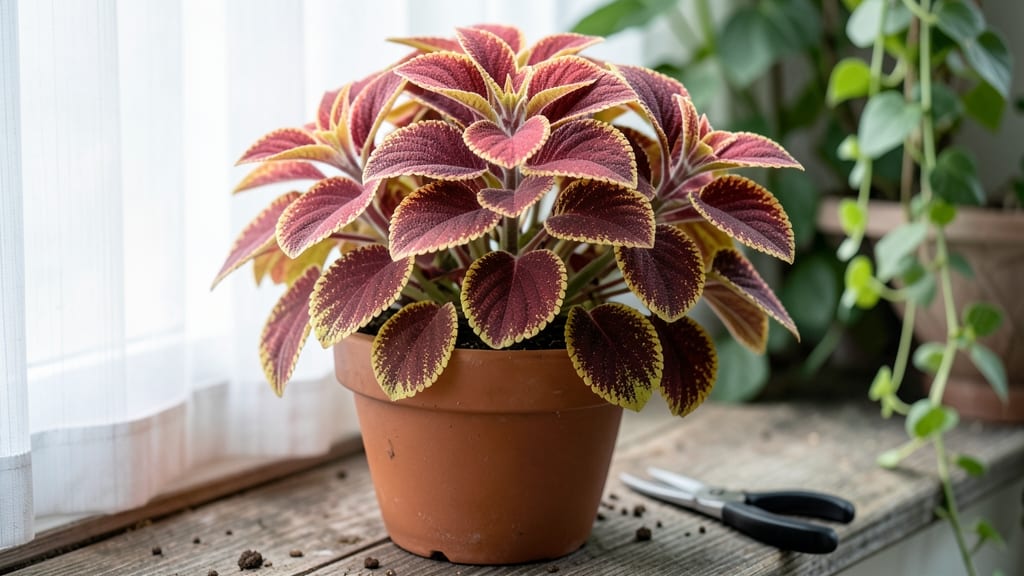
Coleus thrives in shade where other plants struggle—its vibrant foliage pops like a neon sign in dim corners. 🌿 I’ve grown them under trees, on north-facing porches, and even indoors by windows that barely get sunlight, and they never disappoint. The secret?
Coleus doesn’t just tolerate shade; it loves it, as long as you meet a few simple needs. Most shade-loving plants fade or stretch awkwardly, but coleus stays compact and colorful. You’ll need well-draining soil (mix in perlite or compost) and consistent moisture—think damp sponge, not soggy.
Overwatering is the real enemy here, causing those dreaded yellow leaves. A few hours of morning sun can actually deepen the colors, but full shade still works if you’re patient with pruning.
By summer’s end, your coleus will be a lush, bushy centerpiece—think jewel-toned leaves in pink, purple, or chartreuse that outshine anything in a sunny border. The key is pinching back leggy stems early to encourage fuller growth.
Even my black thumb can’t kill these plants when I remember one rule: less is more with water and fertilizer. Works for containers, garden beds, or hanging baskets—just avoid cold drafts. If colors fade, a little liquid fertilizer in spring gives them a boost.
Trust me, your shady spots will never look the same.
📚 In This Guide
- What you need
- Instructions
- Tips and common mistakes
- Wrapping up and next steps
What you need
- ● Coleus plant: Choose a healthy, disease-free specimen (variegated or solid-leaf varieties work well). Pro tip: Look for young plants with lush, upright foliage!
- ● Well-draining potting mix: A high-quality, peat-based or coco-coir blend (e.g., 10-12 quarts) to prevent root rot.
- ● Pot or container: Minimum size: 6-8 inches in diameter (for a single plant) with drainage holes.
- ● Material: Terracotta, ceramic, or plastic (ensure it’s clean and sanitized).
- ● Slow-release fertilizer: A balanced 10-10-10 or 20-20-20 granular fertilizer (follow package instructions for dosage).
- ● Watering can or spray bottle: With a gentle spray nozzle for hydration.
- ● Pruning shears: Sharp, clean scissors ($5-$15) for trimming leggy growth.
- ○ Grow lights (optional): LED full-spectrum bulbs (12-14 hours/day) if natural light is very limited.
- ● Mulch or pebbles: Decorative stones or organic mulch (1-2 inches) to retain moisture.
- ● Plant labels: Waterproof tags to track varieties (especially useful for mixed collections!).
How to grow coleus in shady spaces
Here's how I transform dim corners into lush, colorful displays with minimal fuss.
🌱 Step 1: Choose the Right Coleus Varieties for Low Light
Not all coleus thrive in shade—look for varieties labeled "low-light" or "shade-tolerant" like 'Wendy's Wish' or 'Black Dragon'. These types develop deeper colors and grow more compactly than sun-loving varieties. I always check the leaf pattern too: solid colors like deep purple or burgundy handle shade better than intricate multicolored varieties.
Start with 4-6 plants to fill a medium-sized container or garden bed. You'll see the difference immediately: shade coleus grows slower but develops richer hues when light is limited. Avoid varieties with yellow or chartreuse tones—they'll struggle in low light and fade quickly.
🪴 Step 2: Prepare Containers or Garden Beds
Use containers with drainage holes or amend garden soil with 3-4 inches of compost to improve fertility. Coleus roots need air, so avoid heavy clay soil that stays compacted. I mix 1 part perlite into the soil for every 3 parts potting mix—this keeps roots from suffocating while holding enough moisture for shade conditions.
Fill containers to 1 inch below the rim to prevent spills when watering. For garden beds, dig a hole twice as wide as the root ball but no deeper—coleus roots are shallow and prefer sitting just below soil level. Tap the container gently after planting to eliminate air pockets around the roots.
☀️ Step 3: Position for Maximum Indirect Light
Place your coleus where it receives 4-6 hours of bright, indirect light daily—think dappled sunlight through trees or an east-facing window. South-facing windows with sheer curtains work too. You'll notice leaves growing toward the light if they're not getting enough; rotate the plant quarter-turn weekly to keep growth even.
Direct sunlight will scorch leaves, while complete darkness causes leggy, weak stems. Test your spot by placing a plant there for a week: if leaves stay vibrant and stems don't stretch excessively, you've got the right balance. Artificial grow lights on a 12-hour timer work well if natural light is truly limited.
💧 Step 4: Water and Fertilize for Shade Success
Water when the top inch of soil feels dry—shade coleus stays moist longer than sun varieties but still needs consistent hydration. I use room-temperature water to avoid shocking the roots, and I water at the base rather than overhead to prevent fungal issues. Let excess water drain completely to avoid root rot.
Feed with a balanced liquid fertilizer (10-10-10) every 4-6 weeks during growing season. Shade plants grow slower, so they don't need heavy feeding—but they still appreciate the nutrients. You'll see new leaves emerging within a week after fertilizing, signaling healthy growth.
✂️ Step 5: Prune and Maintain for Bushy Growth
Pinch back the tips of new growth when stems reach 4-6 inches to encourage bushier plants. This is where shade coleus really shines—without strong sunlight, they grow more compact and dense. Use clean scissors to make cuts just above a leaf node, and you'll see new branches forming within 2-3 weeks.
Remove any yellow or damaged leaves immediately—they attract pests and spread disease. I also wipe leaves occasionally with a damp cloth to remove dust, which helps them absorb whatever light they do get. Over time, your coleus will develop that lush, full look even in the shadiest spots.
Tips & tricks for thriving shade coleus
These simple strategies will help you coax vibrant growth from your shade-loving coleus—even in the dimmest corners.
Variety Matters: The shade-tolerant varieties like 'Wendy's Wish' or 'Black Dragon' are your best bet—they develop those stunning deep colors and compact growth specifically for low-light conditions. I've learned the hard way that multicolored varieties with yellow or chartreuse tones will fade quickly in shade, so stick with solid purples, burgundies, or velvety blacks for maximum impact.
Soil Science: That 3-4 inch layer of compost in Step 2 isn't just decoration—it's where the magic happens. Coleus roots need well-aerated soil that holds moisture without suffocating. I've found mixing 1 part perlite with 3 parts potting mix creates the perfect balance. Pro tip: If you're using garden soil, sift it first to remove large clumps that can compact around delicate roots.
Light Testing: The 4-6 hours of bright indirect light in Step 3 is non-negotiable, but how you achieve it matters. Test your spot for a week first—place the plant where you think it should go and observe. If leaves start growing toward one direction or stems stretch excessively, you need to move it closer to a brighter area. Artificial grow lights on a 12-hour timer can supplement if natural light is truly limited, but position them 6-12 inches above the plant.
Pruning Payoff: Don't skip the pruning in Step 5! When you pinch back those 4-6 inch stems, you're not just shaping the plant—you're triggering new growth from the leaf nodes. I've seen plants triple in fullness within 6 weeks just from consistent pruning. Use clean scissors and make cuts at a 45-degree angle just above a leaf node for the best results. The new branches that form will be more compact and colorful than the original stems.
Pro Tips for Coleus Shade Plant
- These simple strategies will help you coax vibrant growth from your shade-loving coleus—even in the dimmest corners.
- Variety Matters: The shade-tolerant varieties like 'Wendy's Wish' or 'Black Dragon' are your best bet—they develop those stunning deep colors and compact growth specifically for low-light conditions.
- Soil Science: That 3-4 inch layer of compost in Step 2 isn't just decoration—it's where the magic happens.
Frequently asked questions
Got questions about growing coleus shade plants? You’re not alone! Here are some of the most common concerns—and their answers—to help you keep your foliage thriving in low-light spaces.
Can coleus grow in full shade?
Yes, but with a few tweaks! While coleus loves bright, indirect light, it can tolerate partial shade (3–6 hours of light daily). If your plant looks leggy or pale, move it closer to a window or supplement with a grow light. Just avoid full darkness—it’ll stretch and lose its vibrant colors.
How often should I water a shade-loving coleus?
Check the soil weekly—water when the top inch feels dry. Coleus in shade holds moisture longer, so overwatering is riskier than underwatering. Use well-draining pots and ensure containers have drainage holes to prevent root rot. Pro tip: Yellow leaves often signal overwatering!
Why isn’t my coleus’ color as bright as the pictures?
Shade dulls coleus colors! These plants need bright, indirect light (like a north-facing window) to maintain their vivid hues. If your leaves fade, rotate the pot weekly for even exposure or place it near a sheer curtain-filtered light source. Variegated types may revert to green in low light.
What’s the best alternative if my space is too dark?
Try these low-light, high-impact alternatives:
- Pothos (heart-shaped leaves, nearly indestructible)
- ZZ Plant (glossy, thrives in near-darkness)
- Snake Plant (tolerates neglect, architectural shape)
- Cast Iron Plant (survives shade + humidity)
What pests should I watch for on indoor coleus?
Spider mites and aphids love coleus—especially in dry air. Prevent them by misting leaves weekly or placing a pebble tray under the pot. If you spot tiny webs or sticky residue, wipe leaves with soapy water or spray with neem oil. Early action = easier fixes!
Wrapping up and next steps
Growing a coleus shade plant is a rewarding way to bring bold color and texture to your space—even in those tricky low-light corners! 🌿 With the right variety, well-draining soil, and a little patience, you’ll enjoy lush, vibrant foliage that keeps giving all season.
Whether you’re a seasoned gardener or just starting out, these tips make it easy to succeed.
Ready to transform your shady spot? Start with a single plant (or a few!), experiment with care routines, and watch your green thumb grow. Happy planting—your space (and future plant babies) will thank you! 🌟