
Companion Plants
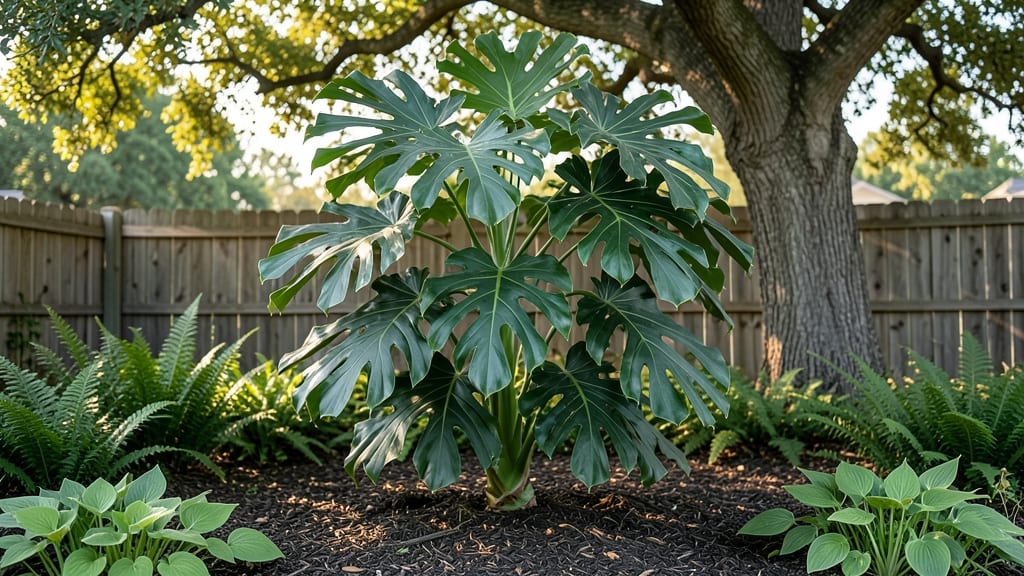
South Florida’s deep shade isn’t a gardening dead zone—it’s prime real estate for heat-tolerant, lush greenery that thrives where others wilt. 🌿 I’ve tested dozens of plants in my own shaded courtyard, and these are the ones that not only survive but flourish—even when temps hit 90°F and humidity clings like a damp blanket.
The secret lies in matching plants to South Florida’s humid subtropical climate: ferns unfurl delicate fronds, calatheas dance with patterned leaves, and palms like the majestic sago (which isn’t a palm at all!) cast dappled shade while needing almost no care.
These aren’t high-maintenance divas—they’re the low-water, low-fuss stars that turn shady spots into year-round green oases. By the end of summer, you’ll have a thriving understory that cools the air, supports pollinators, and cuts your water bill. The key?
Moist (not soggy) soil, occasional mulch, and zero fuss—just let nature do its thing. Even my black thumb can’t kill these. Perfect for patios, poolside nooks, or that stubbornly dark corner of your yard. Let’s bring life to the shadows!
📚 In This Guide
- What you need
- Instructions
- Tips and common mistakes
- Wrapping up and next steps
What you need
- ● Shade-tolerant plants: 5–10 mature plants (e.g., Caladium, Ferns, Philodendron, or Elephant Ear). Choose 3–5 varieties for diversity.
- ● High-quality potting soil: 1–2 cubic yards (or 10–20 bags) of well-draining, organic soil mix (e.g., Miracle-Gro Shade Mix or coconut coir blend).
- ● Mulch: 2–3 bags of pine bark or cypress mulch (3–4 inches thick) to retain moisture and regulate temperature.
- ● Slow-release fertilizer: 1–2 bags of osmocote or fish emulsion (10-10-10 or 5-5-5 ratio) for nutrient-rich soil.
- ● Garden gloves: 1 pair (nitrile-coated for durability).
- ● Watering can or hose: 1 with a soaker nozzle (for gentle, deep watering).
- ● Pruners: 1 pair of bypass pruners (sharp and sterilized).
- ● Trowel or spade: 1 medium-sized (for digging and planting).
- ● Garden kneeler: 1 (for comfort during planting).
- ● pH test kit: 1 (to ensure soil pH is 6.0–7.0, ideal for most shade plants).
- ● Shade cloth: 1 roll (30–50% density) for areas with partial shade or harsh afternoon sun.
- ○ Decorative stones or pebbles: 1–2 bags (for pathways or borders, optional but aesthetic!).
- ● Plant markers: 10–20 (to label varieties and track growth).
How to select and plant South Florida shade plants
Here's my go-to approach for picking and planting shade-loving greenery that handles Florida's humidity and heat.
🌱 Step 1: Choose Native or Adapted Shade-Tolerant Species
South Florida's deep shade areas need plants that tolerate 80-90°F temperatures and high humidity while still thriving. I always reach for native species like coontie palm, ferns, or caladiums—they've evolved to handle these conditions naturally. For non-natives, look for heat-tolerant shade plants like elephant ears (Alocasia) or cast iron plants (Aspidistra) that can handle the climate.
Check the plant tag for USDA hardiness zones 10-11—these indicate the plant can handle Florida's heat. Avoid anything labeled for cooler zones unless it's specifically marked as heat-tolerant. I also avoid plants with thick, waxy leaves in deep shade—they often struggle to photosynthesize efficiently in low light.
☀️ Step 2: Prepare the Shade Site for Planting
First, test the shade level in your spot. If it's deep shade (less than 3 hours of direct sun), focus on plants like caladiums or ferns. If it's partial shade (3-6 hours of sun), you can expand to elephant ears or cast iron plants. I always clear away competing weeds and loosen the soil to a depth of 6-8 inches—this helps roots establish faster in Florida's heavy, clay-like soil.
Mix in 2-3 inches of organic compost into the top 6 inches of soil to improve drainage and fertility. South Florida's soil is often heavy and poorly draining, so amending it prevents root rot. Water the area lightly after amending to help settle the soil before planting.
🪴 Step 3: Plant at the Right Depth and Spacing
Dig a hole twice as wide as the root ball but no deeper—planting too deep can suffocate roots. Place the plant in the hole so the top of the root ball sits level with the surrounding soil. For container-grown plants, I gently remove them from the pot and tease the roots outward to encourage spreading in the new soil.
Space plants according to their mature size. Coontie palms need 8-10 feet apart, while caladiums can be planted 12-18 inches apart. Fill the hole with soil, pressing lightly to remove air pockets, and water deeply to help settle the roots. Avoid compacting the soil too firmly—Florida's heavy soil can become waterlogged if over-tamped.
💧 Step 4: Water and Mulch for Retention
After planting, water deeply to soak the soil to a depth of 12 inches. South Florida's heat and humidity mean plants dry out faster than you'd expect, even in shade. I like to water early in the morning to reduce evaporation and fungal risks. Over the next 2-3 weeks, keep the soil consistently moist but not soggy—this helps roots establish before the plant adjusts to its new environment.
Spread 2-3 inches of mulch (like pine bark or shredded leaves) around the base of the plant, keeping it 3-4 inches away from the stem to prevent rot. Mulch helps retain moisture, regulates soil temperature, and suppresses weeds. Replenish mulch as it breaks down to maintain its benefits.
✂️ Step 5: Monitor and Adjust for Florida Conditions
Watch for signs of stress like yellowing leaves or wilting, which can indicate overwatering or poor drainage. If you notice these, reduce watering slightly and check the soil moisture—it should feel damp but not waterlogged. Florida's heat can also cause pests like spider mites or scale, so I inspect plants weekly and treat with neem oil or insecticidal soap if needed.
Fertilize lightly once in early spring with a balanced, slow-release fertilizer (like 10-10-10) to support growth without overstimulating the plant in the heat. Avoid heavy feeding in summer—it can lead to soft, weak growth that struggles in Florida's intense conditions.
Tips & tricks for perfect South Florida shade landscaping
These simple strategies will help your shade plants thrive in Florida's challenging climate without the guesswork.
Selection Tip: Pay attention to leaf texture when choosing plants. Native Florida species like coontie palms and ferns have naturally thin leaves that allow better air circulation—critical for preventing fungal diseases in our humid climate. Avoid plants with thick, leathery leaves (like some tropical imports) that trap moisture and invite pests. I've learned this the hard way after losing several high-maintenance imports to spider mites.
Soil Prep Strategy: The 6-8 inch soil loosening in Step 2 is non-negotiable for Florida's heavy clay. Use a broadfork or tiller to break up compaction without turning the soil completely—this preserves the natural structure while improving drainage. For particularly dense areas, I add a handful of perlite to the compost mix to create pockets of air in the soil. This prevents that suffocating, waterlogged feeling that kills roots.
Planting Depth Secret: When placing your plants in Step 3, use the root flare as your guide—the point where roots meet the stem should sit just above soil level. This prevents stem rot while allowing proper root expansion. For container-grown plants, gently separate roots at the bottom of the root ball before planting to encourage outward growth. I've seen plants struggle when planted too deep, with stems showing signs of stress within weeks.
Watering Wisdom: That 12-inch deep watering in Step 4 isn't just about initial moisture—it's about encouraging roots to grow downward where they'll find more stable moisture levels. After planting, I use a soil probe to check moisture at different depths. If the soil at 6 inches is dry after 2-3 weeks, it's time to water again. Overwatering is just as damaging as underwatering in our climate.
Pro Tips for South Florida Shade Plants
- These simple strategies will help your shade plants thrive in Florida's challenging climate without the guesswork.
- Selection Tip: Pay attention to leaf texture when choosing plants.
- Soil Prep Strategy: The 6-8 inch soil loosening in Step 2 is non-negotiable for Florida's heavy clay.
Frequently asked questions
Got questions about picking and growing South Florida shade plants? You’re not alone! Here are answers to the most common queries to help you create a lush, low-maintenance oasis in your shady spots.
What are the best shade-tolerant plants for South Florida’s deep shadows?
Native options like coontie palms, fiddleleaf figs, and elephant ears thrive in low light. For texture, try cast iron plants or caladiums. Avoid sun-lovers like succulents—they’ll crisp under shade. Pro tip: Mix broadleaf plants with ferns (e.g., holly ferns) for layered shade.
When is the best time to plant shade plants in South Florida?
Plant in early spring (March–April) or late summer (August–September) to avoid extreme heat. Avoid winter—frost-sensitive plants may struggle. For container plants, you can plant year-round, but water consistently during dry spells. Morning shade helps seedlings establish faster.
How do I keep shade plants from getting root rot in South Florida’s humidity?
Ensure pots/containers have drainage holes and use well-draining soil mixes (add perlite or orchid bark). Water only when the top 1–2 inches of soil are dry. Mulch with pine bark to regulate moisture. Yellowing leaves? It’s often overwatering—let soil dry between waterings.
Can I grow vegetables or herbs in South Florida shade?
Yes! Try lettuce, spinach, or bok choy in partial shade. Herbs like cilantro and parsley tolerate low light but may bolt in heat. For full shade, opt for microgreens or shiso. Use raised beds with rich compost to boost growth. Rotate crops to prevent soil depletion.
What if my shade plant leaves turn yellow or wilt?
Yellow leaves often signal overwatering or nutrient deficiency. Check soil moisture and adjust watering. Wilting could mean underwatering or root stress (e.g., compacted soil). Fertilize lightly with a balanced, slow-release formula in spring. Prune dead leaves to redirect energy to healthy growth.
Wrapping up and next steps
Transforming your South Florida shade garden into a lush, thriving oasis is totally doable—even in those deep shadows! 🌿 From the low-maintenance elegance of ferns to the bold textures of calatheas, these heat-tolerant plants prove that shade doesn’t mean sacrificing beauty.
With the right choices and a little care, you’ll enjoy a vibrant, green retreat year-round.
Ready to dive in? Start small! Pick one or two plants from this list, test the soil, and watch your space come alive. Happy planting—your future shade garden awaits! 🌱