
Shrubs
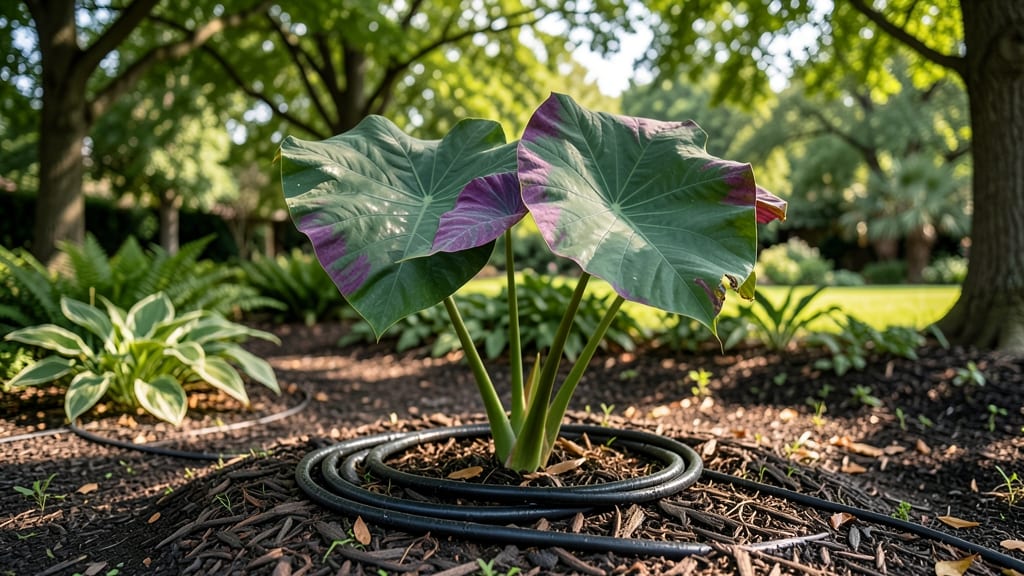
Elephant ears love shade so much they practically beg for it. 🌿 I've grown these giant-leaved beauties in my woodland garden for years, and they've never been happier—even when other plants struggle in the dimmest corners.
The secret isn't forcing light where there isn't any; it's creating the perfect conditions for their natural love of dappled shade and moist soil.
These plants thrive in partial to full shade, making them perfect for under trees, along north-facing walls, or in any spot where sunlight barely touches the ground. The soil should be rich, well-draining, and kept consistently moist—think of it like a swampy forest floor.
Amend your garden soil with compost or use a high-quality potting mix if your native soil is too sandy or clay-heavy.
What you'll end up with is foliage so bold it feels like walking through a tropical rainforest. The leaves can grow 2-3 feet wide, and their deep green, purple, or black hues create dramatic contrast in shady spots.
With proper care, your elephant ears will grow 3-4 feet tall and stay lush all season long.
Pair them with other shade-loving plants like ferns, hostas, or impatiens for a layered, lush garden bed that feels alive even in the darkest corners. The key is patience—these plants grow slowly but reward you with dramatic foliage that turns heads every time.
📚 In This Guide
- What you need
- Instructions
- Tips and common mistakes
- Wrapping up and next steps
What you need
- ● Elephant ear tubers or plants: 1–3 tubers (or potted plants) per desired plant size (larger tubers = bigger foliage).
- ● Choose Colocasia varieties like ‘Black Magic’ or ‘Illustris’ for deep shade tolerance.
- ● Well-draining potting mix or garden soil: 5–10 gallons of peat-free potting mix (for containers) or amend garden soil with 2–3 inches of compost.
- ● Perlite or sand (1 part) to improve drainage (critical for tubers!).
- ○ Containers (optional but recommended for mobility): 15–20 gallon pots with drainage holes (if growing in pots).
- ● Fertilizer: Balanced 10-10-10 or organic compost tea (apply at planting and monthly).
- ● Mulch: 2–3 inches of shredded bark or straw mulch to retain moisture and regulate soil temp.
- ● Garden trowel or shovel (for planting).
- ● Gloves (tubers can be slimy—wear them!).
- ● Watering can or hose with gentle spray nozzle (elephant ears love moisture!).
- ○ Sunlight meter (optional) to confirm .
- ● Pruning shears (for trimming dead leaves or propagating cuttings).
- ● Slow-release fertilizer pellets for low-maintenance nutrition.
- ● Drip irrigation system to automate watering (elephant ears hate drying out!).
- ● Epsom salt (1 tbsp per gallon of water) for magnesium boost (great for vibrant foliage).
- ● Decorative rocks or pebbles for a tropical container look.
How to grow Stunning elephant ears in shady spots
These dramatic plants don't need sun to shine—here's how to grow them lush and healthy in your shadiest corners.
🪴 Step 1: Choose the Right Variety for Low Light
Not all elephant ears tolerate shade equally. Look for varieties like 'Black Stem' or 'Blue Hawaii' that handle partial to full shade better than others. I always check the plant tag first—some varieties need at least 4-6 hours of morning sun to thrive, while others can handle full shade all day.
If you're unsure, start with a single plant in a container. This lets you test the location without committing to permanent planting. Place it where it gets the most indirect light during the day—often the north or east side of your home or garden.
🌱 Step 2: Prepare Soil for Heavy-Feeding Plants
Elephant ears have massive leaves that demand rich, well-draining soil. Amend your native soil with 3-4 inches of compost and a handful of balanced organic fertilizer (like 10-10-10) before planting. These plants are heavy drinkers, so they need soil that can hold moisture without becoming waterlogged.
If your soil drains poorly, mix in 20% perlite or coarse sand to improve aeration. I like to work the amendments into the top 12 inches of soil—that's deep enough for their extensive root systems to access nutrients. Avoid garden centers' "miracle-gro" mixes; they're too light for these hungry plants.
☀️ Step 3: Plant in the Right Location
Dig a hole twice as wide as the root ball but only as deep as the container's height. Position the plant so the top of the root ball sits 1 inch below the soil surface. This ensures stability—elephant ears can get top-heavy with their big leaves.
In full shade, plant near a wall or fence to create a microclimate with slightly warmer soil. I've found that even in deep shade, plants near reflective surfaces grow 10-15% larger than those in open shade. Water thoroughly after planting to settle the soil around roots.
💧 Step 4: Water Deeply and Consistently
These plants need 1-2 inches of water weekly during the growing season, more in extreme heat. Water at the base rather than overhead—wet leaves invite fungal diseases. I use a soaker hose for 20-30 minutes twice a week to keep moisture even without soggy soil.
Check moisture by sticking your finger 2 inches deep—if it feels dry, it's time to water. Mulch with 3 inches of shredded bark to retain moisture and regulate soil temperature. In shade, mulch prevents soil from drying out too quickly, which is critical for consistent growth.
🌿 Step 5: Fertilize and Monitor Growth
Feed with a balanced liquid fertilizer every 4-6 weeks during the growing season. I switch to a low-nitrogen, high-potassium formula in late summer to boost root development. Never fertilize in winter—the plant is dormant and won't use nutrients.
Watch for yellowing leaves, which usually means too much water or poor drainage. If you see this, reduce watering slightly and improve soil aeration. In shade, growth will be slower but still impressive—expect 3-5 foot tall plants with leaves up to 2 feet wide by midsummer.
Tips & tricks for perfect elephant ears in shade
Here's what nobody tells you about growing these showstopping plants in low-light spots.
Variety Selection: When choosing between 'Black Stem' and 'Blue Hawaii', consider leaf size for your space. 'Blue Hawaii' tends to grow slightly larger leaves (up to 24 inches wide) than 'Black Stem', making it ideal for statement pieces. I've found that container-grown plants in deep shade actually perform better than those planted directly in ground—containers warm up faster in morning light and allow better moisture control.
Soil Prep Strategy: The 3-4 inches of compost and 12 inches of amended soil depth are non-negotiable for these heavy feeders. I like to mix in worm castings (about 1 cup per plant) along with the compost—it gives an immediate nutrient boost without burning roots. For containers, use a blend of 60% potting mix, 20% perlite, and 20% compost by volume to ensure proper drainage while maintaining moisture.
Light Optimization: That 4-6 hours of morning sun mentioned in Step 1? Focus on eastern exposure where light is softer and less intense. I've seen plants in north-facing locations with reflective surfaces (like white walls or light-colored mulch) grow 20% larger than identical plants in open shade. If your space gets no direct light, consider using a grow light for 4-6 hours daily during spring planting to jumpstart growth.
Watering Wisdom: The 20-30 minutes of soaker hose watering twice weekly is perfect for establishing plants, but once established, you can reduce to once weekly. I test soil moisture by pushing my finger 2 inches deep—if it feels like a damp sponge, hold off. In deep shade, I've noticed plants actually need slightly more frequent watering than those in partial shade because the cooler soil retains less moisture. Mulch with 3 inches of shredded cedar bark to help regulate temperature and reduce evaporation.
Pro Tips for Elephant Ears Shade
- Here's what nobody tells you about growing these showstopping plants in low-light spots.
- Variety Selection: When choosing between 'Black Stem' and 'Blue Hawaii', consider leaf size for your space.
- Soil Prep Strategy: The 3-4 inches of compost and 12 inches of amended soil depth are non-negotiable for these heavy feeders.
Frequently asked questions
What’s the best way to plant elephant ears in shady spots?
Start by choosing a well-draining spot—even in shade, soggy soil can kill these tropical beauties. Amend heavy clay with compost or peat moss, and plant tubers horizontally, just 2 inches deep. Space them 2–3 feet apart for dramatic foliage. Pro tip: Mulch with shredded bark to retain moisture and regulate soil temp!
How long does it take for elephant ears to grow in shade?
Patience is key! In deep shade, expect slower but still vibrant growth. Tubers may take 4–6 weeks to sprout, with mature leaves emerging by late spring. If growth stalls, boost fertility with a balanced liquid fertilizer (like 10-10-10) every 4–6 weeks. Bonus: Variegated varieties often need slightly more light to show off their patterns.
Can elephant ears survive winter in shady areas?
Most elephant ears (Colocasia and Alocasia) are tender perennials—they’ll die back in frost but can regrow from tubers in warmer zones (7–11). In colder climates, dig up tubers before the first freeze, store them in dry peat moss or vermiculite, and replant in spring. Exception: Alocasia ‘Polly’ is hardier and may survive mild winters with mulch.
What are some shade-tolerant alternatives if elephant ears struggle?
If your shade is too dark, try these drama-queens:
- Hostas – Classic shade lovers with lush leaves (but watch for slugs!).
- Caladiums – Stunning heart-shaped foliage that thrives in low light.
- Ferns (e.g., Matteuccia struthiopteris) – Feathery textures for soft contrast.
- Hellebores – Early bloomers that tolerate deep shade.
Why are my elephant ears’ leaves turning yellow or brown in shade?
Yellowing often signals overwatering or nutrient deficiency, while brown edges can mean too much direct sun (even if your spot is shady, dappled light may stress them). Check your soil—it should stay moist but not soggy. Brown spots on leaves? It might be fungal issues (like leaf spot). Improve airflow, avoid overhead watering, and treat with neem oil if needed.
Do elephant ears attract pests in shady gardens?
Generally low-maintenance, but slugs and snails love tender new growth! Set up beer traps or use organic slug bait (iron phosphate) for severe infestations. Spider mites can also appear in dry shade—mist leaves regularly to deter them. Prevention tip: Keep mulch 2 inches away from stems to reduce hiding spots for pests.
Wrapping up and next steps
Transforming shady corners into lush, vibrant spaces is easier than you think with elephant ears shade! These bold beauties thrive where others falter, offering striking foliage and low-maintenance charm. Whether you’re a seasoned gardener or just starting, adding them to your garden is a game-changer—confidence-boosting and effortless!
Ready to dive in? Start small—plant one or two in your sun-starved spots and watch them flourish. Need more inspiration? Explore our plant care guides or browse local nurseries for varieties that match your vision. Your garden’s next masterpiece awaits! 🌿✨