
Light Requirements
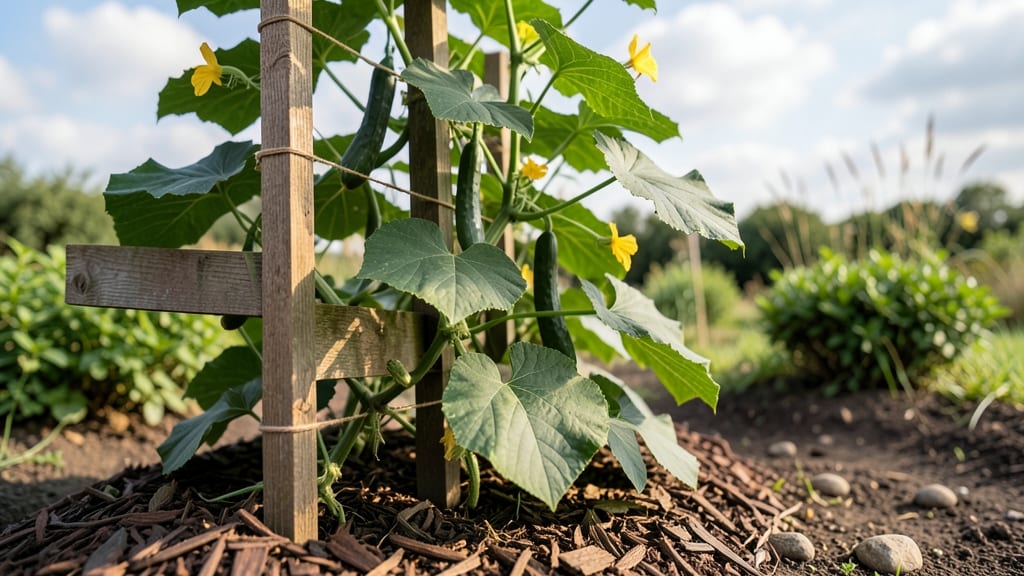
Cucumbers thrive in full sun or shade, but getting the balance right is the secret to maximum yield and crisp, flavorful fruit 🥒.
Picture this: you’ve just planted your cucumbers after the last frost, only to watch them wilt under the midday heat or struggle to produce in dappled shade.
The truth? These vining plants crave 6–8 hours of sunlight for peak growth, but too much scorching heat or too little light can derail your harvest.
In hot climates like Zone 6a, afternoon shade can save your plants from stress, while cooler regions benefit from full sun. I’ll break down how to spot the signs of light stress, adjust your garden layout, and even pick the best shade-tolerant varieties for your setup.
By the end, you’ll know exactly how to tweak your growing conditions—whether you’re trellising in a backyard or container gardening on a balcony—to turn your cucumbers into a high-yielding powerhouse.

How much sun do cucumbers need for optimal growth?
Cucumbers thrive in full sun, but their exact needs depend on your climate and variety. Most standard cucumbers require 6-8 hours of direct sunlight daily to produce their best yields.
Without enough light, you’ll see smaller fruits, fewer vines, and weaker plants. However, in hot, dry regions, partial afternoon shade can prevent sunburn and improve survival rates.
In temperate zones like USDA Hardiness Zones 6-9, cucumbers perform best with morning sun and afternoon shade during peak summer months. This balance helps maintain soil moisture and plant vigor.
In cooler climates, like Zone 5, cucumbers can tolerate 5-6 hours of sun but may need row covers to extend the growing season.
Here’s how sunlight needs break down for optimal cucumber growth, including regional adjustments and signs of light deficiency:
If your cucumbers aren’t getting enough sun, you’ll notice yellowing leaves, especially on the lower stems—a classic sign of chlorosis. The plant may also produce fewer flowers or small, bitter cucumbers.
In hot climates like Arizona or Florida, afternoon shade (3-4 PM) can prevent sun scorch while still allowing morning light for photosynthesis.
For container gardening, place cucumbers in a south-facing spot with at least 6 hours of sunlight. If your balcony only gets 4 hours, choose compact bush varieties like 'Bush Champion' and supplement with a grow light for 2-3 hours daily. Rotate containers weekly to ensure even light exposure.
In humid tropical regions, like Hawaii or Puerto Rico, cucumbers can struggle with fungal diseases if exposed to too much direct sun. Here, dappled shade from trees or 50% shade cloth during midday helps maintain leaf health while still allowing enough light for fruit development.
To maximize yields, monitor your cucumbers’ growth patterns. If vines are sprawling but not flowering, they likely need more light. Conversely, if leaves are curling or crisping, they’re getting too much intense sun. Adjust with shade cloth or strategic planting near taller plants for natural shade.
Pro tip: Use a light meter or observe your cucumbers’ shadows. If the shadow is shorter than the plant itself, it’s getting enough sunlight. If the plant is longer than its shadow, it’s time to move it or add shade.
Remember, consistency matters. Cucumbers hate sudden changes in light exposure, so gradually acclimate seedlings to full sun over 7-10 days. Start with 3-4 hours of morning sun and increase by 1-2 hours daily to avoid shock.
🌱
Shade strategies: when and how to protect cucumbers from too much sun
Even though cucumbers thrive in full sun, too much intense sunlight—especially during peak summer heat—can scorch leaves and reduce fruit production. In my Zone 8 garden, I’ve learned that strategic shade isn’t just about protecting plants; it’s about balancing growth and harvest quality.
The key is timing and technique, not blanket shade solutions.
Hot afternoons (12 PM–4 PM) are the worst for cucumbers, as temperatures above 90°F can cause sunburn on leaves and bitter-tasting fruit. I’ve seen vines wilt dramatically when exposed to unfiltered midday rays, even with consistent watering.
The solution? Partial shade—just enough to cool the plants without starving them of light.
⚠️ callout warning ⚠️
While shade protects leaves, too much shade (under 4 hours of sun) reduces fruit set by 30–50%. Cucumbers need sunlight for photosynthesis to grow—shade should only supplement, not replace. Aim for 4–6 hours of direct sun even in hot climates.
Pro Tip: Use dappled shade (like tree canopies) over solid shade cloth.
Natural shade is my first choice—tall sun-loving plants like corn or pole beans work as living windbreaks while filtering light. In containers, I place cucumbers under patio umbrellas or near trellises attached to north-facing walls to block harsh afternoon rays.
For gardens, 30–50% shade cloth stretched 2–3 feet above plants is ideal.
Timing matters more than you’d think. I’ve found that removing shade cloth by 10 AM and reapplying it after 2 PM gives cucumbers the morning energy boost they need while protecting them from heat stress.
In container gardens, I move pots to shadier spots during peak heat, then return them to full sun in the early morning.
DIY shade solutions are easy and budget-friendly. For example, I’ve used white frost cloth (30% shade) draped loosely over hoop frames to diffuse light without blocking airflow. Another trick? Plant cucumbers near tall grasses or ornamental millet—they provide natural windbreaks and light shade without competing for nutrients.
Watch for signs of sun stress: bleached or crispy leaf edges, yellowing between veins, or drooping vines after noon. These are cues to adjust your shade strategy immediately. With the right balance, you’ll get healthier plants and sweeter cucumbers all season long. 🌿