
Light Requirements
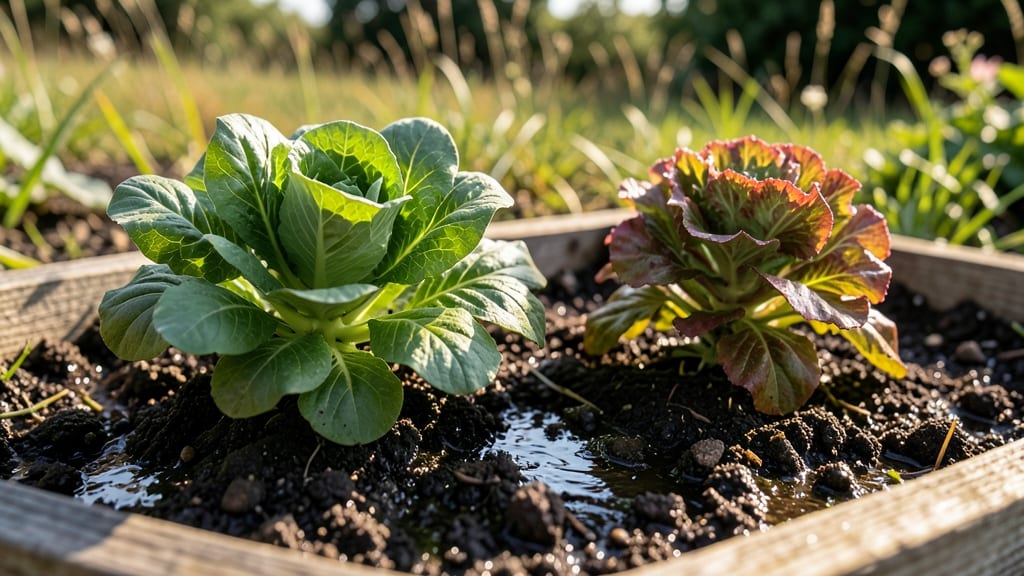
Growing crisp, tender lettuce 🥬 in full sun or shade depends on the variety and climate—getting the light balance right is the difference between a thriving harvest and a bitter, bolted mess.
If you've ever watched your lettuce 🥬 turn yellow or go to seed before you could even pick it, you know how frustrating it can be. The wrong amount of sunlight can turn your garden dreams into a sad, wilted pile of disappointment.
Leaf lettuce, like butterhead or romaine, actually prefers partial shade—especially in hot climates—to stay crisp and sweet. Meanwhile, heat-tolerant varieties like romaine can handle a few hours of morning sun, but too much afternoon heat will send them bolting faster than you can say "salad."
In this guide, I’ll break down the best light conditions for your lettuce 🥬, how to adjust for summer heat, and the simple tricks to keep your plants happy—so you can enjoy fresh, fast-growing greens all season long.

How sunlight affects lettuce growth: full sun vs. partial shade requirements
Lettuce thrives in cooler temperatures but struggles when exposed to too much direct sunlight. While most varieties prefer partial shade, some can handle full sun with proper care. The key is understanding your climate zone and lettuce type—leaf lettuce tolerates more sun than butterhead or romaine.
In hot summers, even 4-6 hours of morning sun can prevent bolting and keep leaves crisp.
Too much sun causes lettuce to bolt prematurely, turning bitter and sending up flower stalks. Conversely, insufficient light leads to leggy, pale growth with weak flavor. I’ve learned that shade cloth (30-50%) can be a game-changer in peak summer months, mimicking the partial shade lettuce craves.
Let’s break down the ideal light conditions for each variety to maximize your harvest.
🥬 Pro Tip: Always plant lettuce in well-draining soil enriched with compost. This helps roots absorb moisture efficiently, counteracting stress from sun exposure.
For leaf lettuce varieties, I’ve found that 3-4 hours of morning sun followed by afternoon shade yields the best results. These types are more forgiving and can handle partial shade gardens better than others.
In my Zone 6a garden, I often use a 30% shade cloth during July to protect my lettuce from wilting.
Romaine and butterhead varieties are far more sensitive. Romaine lettuce needs filtered sunlight—think dappled shade from nearby trees or a 50% shade cloth. Butterhead lettuce, like Bibb, wilts in direct sun and develops a mushy texture.
I’ve had to relocate these to north-facing beds or under patio umbrellas to avoid heat stress.
Heat-tolerant varieties like Jericho lettuce are my secret weapon for summer planting. They can handle 5-6 hours of full sun as long as they’re consistently watered. However, even these need afternoon shade in the hottest months. I’ve noticed their crispness improves when paired with mulch to retain moisture.
Bolting is the biggest enemy of lettuce in full sun. When temperatures rise above 75°F (24°C), lettuce shifts its energy from leaf production to flowering. This is why spring and fall plantings are ideal—cooler temps keep lettuce focused on growth.
In my garden, I’ve seen lettuce bolt in just 10 days during heatwaves, turning bitter and inedible.
If you’re growing lettuce in full sun climates, consider these adjustments:
- Use shade cloth (30-50%) during peak hours
- Plant in raised beds with mulch to regulate soil temp
- Choose heat-tolerant varieties like Jericho or Nevada
- Harvest outer leaves first to encourage regrowth
On the flip side, insufficient light causes lettuce to stretch toward any available sun, resulting in long, pale stems and weak flavor. If your lettuce looks leggy and sparse, it’s time to move it to a sunnier spot or supplement with a grow
Best practices for growing lettuce in full sun or shade gardens
Growing lettuce successfully hinges on balancing sunlight exposure—too much scorches delicate leaves, while too little stretches out growth and dulls flavor. The key lies in adapting your approach based on your climate zone and seasonal temperatures.
In hot summers, even partial shade becomes essential, while cooler springs and falls allow for more direct sunlight. Let’s dive into proven strategies to keep your lettuce thriving, whether basking in sun or thriving in shade.
Start with rich, well-draining soil packed with organic matter—compost or aged manure works wonders. Lettuce prefers a slightly acidic to neutral pH (6.0-7.0). Amend heavy clay soils with sand or perlite to prevent waterlogging, which can rot roots and invite pests.
For containers, use a lightweight potting mix designed for leafy greens to ensure proper aeration and moisture retention.
- Soil Prep: Mix 2-3 inches of compost into top 6 inches of soil for nutrients and moisture retention.
- Watering Schedule: Keep soil consistently moist—water deeply in the morning to prevent fungal diseases.
- Mulching: Apply 2-3 inches of straw or shredded leaves to retain moisture and suppress weeds.
- Shade Solutions: Use 30-50% shade cloth in summer to block intense afternoon sun.
- Companion Planting: Pair lettuce with radishes or carrots to deter pests like aphids.
- Seasonal Adjustments: Plant heat-tolerant varieties like 'Jericho' or 'Black Seeded Simpson' in summer.
- Harvesting Tip: Pick outer leaves first to encourage continuous growth and avoid bolting.
Watering is where many gardeners stumble—lettuce demands consistent moisture but despises soggy roots. Aim for 1 inch of water per week, delivered in the early morning to reduce evaporation and fungal risks.
In full sun gardens, you may need to water daily during heatwaves, while shade-grown lettuce can go slightly longer between waterings. Always check soil moisture by sticking your finger 1 inch deep; if it’s dry, it’s time to water.
Mulching isn’t just for show—it’s a game-changer for lettuce. A 2-3 inch layer of organic mulch like straw or grass clippings keeps soil cool, retains moisture, and smothers weeds. For full-sun beds, mulch with light-colored materials like straw to reflect excess heat.
In shade gardens, darker mulches like compost can help warm the soil slightly, encouraging faster growth. Replenish mulch every 4-6 weeks to maintain its effectiveness.
When summer heat rolls in, shade cloth becomes your best friend. Opt for 30-50% shade cloth to filter harsh sunlight while still allowing enough light for photosynthesis. Install it over lettuce beds by late spring to prevent bolting, and remove it in early fall when temperatures drop.
For containers, use portable shade structures or move pots to dappled shade spots under trees. Always secure shade cloth tightly to avoid tearing from wind.
Don’t overlook the power of companion planting to protect your lettuce. Pair it with radishes, carrots, or onions to deter pests like aphids and slugs. Avoid planting near celery or cabbage, which compete for nutrients and attract similar pests.
In full-sun gardens, interplant lettuce with taller crops like corn or sunflowers to provide natural shade during peak afternoon heat.
Adjust your approach for spring vs. summer planting. In cooler months, lettuce thrives with 4-6 hours of sun daily, while summer heat demands partial shade and frequent watering. For fall harvests, start seeds in late summer to take advantage of milder temperatures.
Always choose heat-tolerant varieties like 'Romaine' or 'Buttercrunch' for summer gardens, as they resist bolting better than delicate leaf types.