
Shrubs
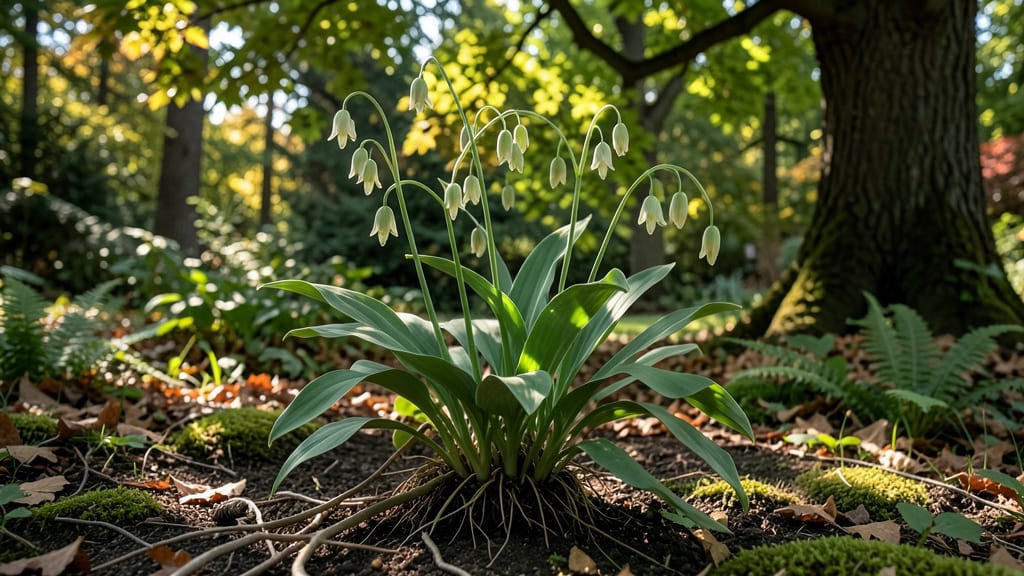
Solomon’s seal thrives in partial shade 🌿 but can handle sun—if you know the right balance to avoid scorched leaves or leggy growth.
Picture this: you’ve planted your Solomon’s seal with high hopes, only to watch its leaves yellow or crisp at the edges. That’s not a picky plant—it’s a light-loving one that needs the right conditions to shine.
This perennial does best in morning sun and afternoon shade, especially in hotter zones like 6a, where afternoon rays can turn its foliage into crispy toast. But with the right adjustments—like mulching or pruning—you can coax even full-sun spots into producing those signature dangling blooms.
Below, I’ll break down the exact light needs for lush growth, how to spot stress signals, and simple fixes to keep your Solomon’s seal thriving year-round—no guesswork required.
 Best Window Placement
Ideal light conditions for Solomon’s seal: sun vs shade breakdown
Solomon’s seal (Polygonatum spp.) thrives in partial shade, but its exact light needs vary by variety. Polygonatum odoratum (common Solomon’s seal) handles 3-6 hours of morning sun daily, while Polygonatum commutatum (giant Solomon’s seal) tolerates slightly more sun—up to 4-6 hours.
Too much direct afternoon sun causes leaf scorch and yellowing, while deep shade leads to sparse foliage and fewer blooms.
Understanding these differences helps you position your plants for optimal growth. For example, morning sunlight (before 10 AM) is ideal for most varieties, while afternoon shade protects leaves from intense heat. Container-grown Solomon’s seal also benefits from dappled sunlight under deciduous trees, mimicking its natural woodland habitat.
The comparison table below breaks down light requirements by variety, tolerance thresholds, and seasonal adjustments to keep your plants lush year-round.
Seasonal light adjustments are key to preventing stress. In summer, when sunlight is intense, move potted Solomon’s seal to a shadier spot or use 30% shade cloth to filter direct rays.
In winter, when days are shorter, you can gradually introduce more light to encourage early spring growth. Avoid sudden changes, as they can shock the plant.
Watch for leaf scorch (brown, crispy edges) or yellowing foliage, both signs of too much sun. Conversely, pale, sparse leaves or stunted growth indicate insufficient light. Adjust placement incrementally—move plants gradually over 1-2 weeks to avoid stress.
For example, if your Solomon’s seal is struggling in full shade, relocate it closer to a window or under a tree with dappled sunlight.
Container-grown Solomon’s seal has different light needs than in-ground plants. In pots, rotate containers weekly to ensure even light exposure, as one side may receive more sun. Use light-colored containers to reflect excess heat, and avoid placing them in south-facing spots where afternoon sun can scorch leaves.
Instead, opt for east or north-facing locations for gentle, indirect light.
Soil moisture plays a role in light tolerance. In shadier conditions, Solomon’s seal retains moisture longer, reducing the risk of drought stress. However, overwatering in shade can lead to root rot, so ensure pots have drainage holes.
In sunnier spots, water more frequently (every 5-7 days) to compensate for increased evaporation. Always check soil moisture by sticking your finger 1 inch deep—water when it feels dry.
For maximum blooms, aim for 4-6 hours of morning sun combined with afternoon shade. This balance encourages vibrant foliage and abundant bell-shaped flowers in spring. If your plant isn’t blooming, it may need more light—try moving it to a slightly sunnier location.
Conversely, if leaves are dark green but sparse, it’s likely getting too little light and may benefit from a sunny windowsill or a spot under a high-canopy tree.
Pro tip: Use reflective surfaces like white gravel or light-colored mulch near your Solomon’s seal to bounce extra light onto the plant without direct exposure. This trick works wonders for container gardens or shaded garden beds where light is limited.
Pair this with a layer of organic mulch (2-3 inches) to retain moisture and regulate soil temperature, further supporting healthy growth in varying light conditions.
How to adjust light exposure for maximum growth and blooms
Solomon’s seal thrives in partial shade, but finding the perfect balance between sun and shade can transform your plant from struggling to stunning. Too much direct sunlight causes leaf scorch, while insufficient light leads to leggy, sparse growth.
The key is adapting its environment seasonally and strategically—whether in garden beds, containers, or under trees.
Start by observing your Solomon’s seal’s current location. If it’s in a shady spot but growing slowly, try moving it closer to a north-facing wall or dappled sunlight from nearby trees.
Conversely, if leaves are crispy or yellowing, it’s getting too much harsh afternoon sun. Small adjustments can make a big difference in foliage density and bloom production.
- 1. Prune Overhead Branches: Thin out dense tree branches to allow filtered sunlight to reach Solomon’s seal roots. Focus on east-facing sides for morning light exposure.
- 2. Use Containers for Flexibility: Move potted Solomon’s seal to shadier spots in summer and brighter areas in winter. Ensure containers have drainage holes to prevent root rot.
- 3. Mulch Strategically: Apply a 2-3 inch layer of mulch (like shredded bark) to retain moisture and regulate soil temperature. Avoid piling mulch against the stem to prevent rot.
- 4. Seasonal Adjustments: In winter, Solomon’s seal can handle more sun as days shorten. In summer, provide afternoon shade with a lightweight shade cloth (30-50% coverage).
- 5. Monitor Leaf Color: Dark green leaves mean ideal light. Pale yellow indicates too much shade; brown edges signal sunburn. Adjust placement accordingly.
For garden beds, plant Solomon’s seal near taller perennials like hostas or ferns to create a natural sun-filtering canopy. If growing in containers, choose terracotta pots—they breathe better than plastic and help prevent root overheating.
Remember, Solomon’s seal’s rhizomes are sensitive to drying out, so keep soil consistently moist, especially in containers.
In urban gardens, where space is limited, use reflective surfaces like light-colored walls or gravel to bounce extra light onto your plants. This trick works wonders for north-facing gardens with minimal natural light. Pair Solomon’s seal with low-light-tolerant companions like astilbes or lungwort to create a thriving understory.
Don’t overlook the microclimate of your garden. A spot under a deciduous tree offers the perfect balance: full sun in winter (when leaves are gone) and natural shade in summer. If your tree is evergreen, plant Solomon’s seal at least 6 feet away to avoid permanent shade.
Regularly check for new growth direction—if stems lean toward light, it’s time to reposition.
With these adjustments, your Solomon’s seal will reward you with arching stems, fragrant blooms, and year-round interest. The secret isn’t just about sun or shade—it’s about dynamic care that evolves with the seasons. Start small, observe closely, and watch your plant flourish! 🌿