
Orchid Care
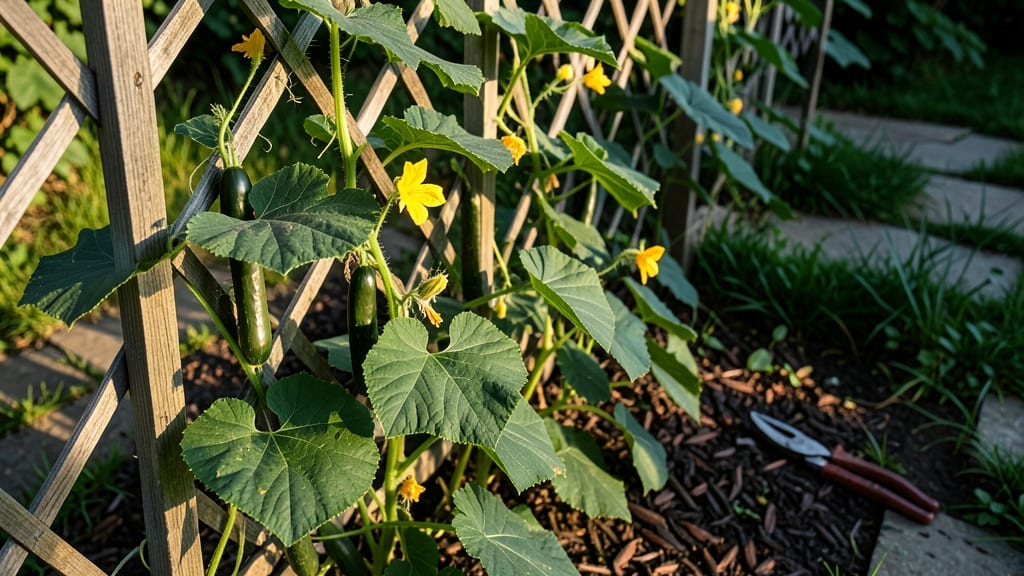
Growing crisp, productive 🥒 cucumbers depends on mastering the balance between sun and shade—too little light means weak vines, while too much can scorch your harvest.
Struggling to grow crisp, productive cucumbers? The battle between sun and shade might be the hidden factor sabotaging your harvest—here’s how to master light conditions for vines that thrive.
Most gardeners assume cucumbers need full sun all day, but the truth is more nuanced. In USDA Zone 6a, planting in April–May means balancing six+ hours of direct light with protection from the midday heat that can stress your plants.
Below, I’ll break down the ideal light setup, how to adjust for partial shade, and the key tricks to maximize yield—whether you’re dealing with a sunny patch or a shadier spot in your garden.
 Best Window Placement
Ideal sunlight requirements for cucumbers: how much light do they really need?
If you've ever planted cucumbers only to watch your vines stretch painfully toward the sky while producing bitter, undersized fruit, you're not alone. The truth is, sunlight is the single most critical factor for cucumber success—yet many gardeners underestimate just how much these plants truly need.
Without enough light, photosynthesis slows, leading to weak stems, yellowing leaves, and poor fruit development. Let's break down the science-backed thresholds for optimal growth.
Cucumbers are sun-worshippers, requiring a minimum of 6 to 8 hours of direct sunlight daily to thrive. This isn't just a rule of thumb—it's rooted in their biological needs.
Photosynthesis in cucumbers peaks when they receive full sun exposure, which translates to 60-80% sunlight intensity during their active growing months. Without this, your plants will struggle to produce the energy needed for vigorous vine growth and fruit development.
Here's the hard truth: Partial shade can work, but only under very specific conditions. Even then, you'll likely see compromised yields. For example, vines receiving only 4 hours of sun may produce a few cucumbers, but they'll be small, seedy, and often bitter.
The key is understanding how to maximize light exposure while avoiding the pitfalls of too much heat in extreme climates.
| Sunlight Requirement | Optimal Light Hours | Growth Impact | Fruit Quality |
|---|---|---|---|
| Full Sun | 6-8+ hours | Vigorous vines, strong stems | Large, crisp, sweet fruit |
| Partial Shade (Morning Sun) | 4-6 hours | Leggy growth, weaker stems | Small, seedy, bitter fruit |
| Partial Shade (Afternoon Sun) | 4-6 hours | Moderate vine growth, risk of sunburn | Medium-sized, uneven ripening |
| Deep Shade | <4 hours | Stunted growth, yellow leaves | Minimal or no fruit production |
| Best for Hot Climates | 6 hours (with afternoon shade) | Balanced growth, heat protection | Good yield, reduced bitterness |
One common misconception is that cucumbers can thrive in partial shade as long as they get some light. While this might work for a few varieties in cooler climates, the reality is that photosynthesis efficiency drops dramatically when cucumbers receive less than 6 hours of direct sunlight.
For example, studies show that cucumber plants in partial shade produce up to 40% fewer fruits compared to those in full sun. The leaves also become thinner and more susceptible to diseases like powdery mildew.
If you're growing cucumbers in a hot climate, like the southern U.S., you might think afternoon shade is ideal. While this can help prevent heat stress, it's crucial to ensure they still get at least 6 hours of morning sun.
Morning sunlight is gentler and allows the plants to photosynthesize efficiently before temperatures rise. Without this, your vines may develop weak stems and struggle to support the weight of the fruit.
Watch for these red flags indicating insufficient light: yellowing leaves (especially on lower stems), stretched-out vines (a sign of etiolation), and poor fruit set.
If you notice these symptoms, it's time to adjust your plants' location or provide additional support, like a reflective surface or trellis, to maximize light exposure. Even a simple white garden fabric draped over nearby plants can redirect light toward your cucumbers.
For gardeners in urban areas or with limited space, consider container growing near a south-facing window or balcony railing. A 5-gallon container can produce a surprisingly good yield if placed in a spot that gets at least 6 hours of sunlight.
If your balcony only gets 4 hours of sun, opt for compact varieties like 'Bush Champion' or 'Spacemaster,' which are bred to tolerate slightly lower light conditions.
Pro tip: If you're planting cucumbers in late summer, aim for a location that gets full sun in the morning and partial shade in the afternoon.
This balance helps prevent heat stress while still providing enough light for optimal photosynthesis. Mulching around the base of your plants with straw or
Shade-grown cucumbers: when and how to grow them successfully
Growing cucumbers in shade might seem counterintuitive, but with the right varieties and care strategies, you can still enjoy a bountiful harvest. Shade conditions—whether from nearby trees, buildings, or high summer sun—can actually benefit cucumbers in hot climates by preventing heat stress and reducing pest pressure.
The key lies in selecting shade-tolerant varieties and adjusting your growing approach.
Not all cucumbers thrive equally in shade. Some varieties, like 'Armenian' cucumbers or 'Lemon' cucumbers, are more adaptable to partial shade than traditional slicing types. These varieties produce smaller fruits and have a more compact growth habit, making them ideal for shady balconies or understory gardens.
If you're growing in deep shade, focus on leafy varieties like 'Bush Champion', which prioritize foliage over fruit production.
Growing Cucumbers in Shade: Pros and Cons
✅ Pros
- Reduced heat stress in hot climates
- Lower pest pressure (fewer aphids/squash bugs)
- Better for containers on shaded patios
- Extended harvest season in partial shade
❌ Cons
- Smaller yields compared to full sun
- Slower vine growth and development
- Higher risk of disease (fungal issues from humidity)
- Poorer fruit quality (less crisp, smaller size)
To compensate for reduced light, focus on soil fertility and watering consistency. Amend your soil with compost or well-rotted manure before planting to provide essential nutrients.
Shade-grown cucumbers also need more frequent watering—aim for 1-2 inches of water per week, delivered directly to the soil (not the leaves) to prevent fungal diseases like powdery mildew. Mulching with straw or shredded leaves helps retain moisture and keeps roots cool.
My neighbor in Zone 8 grows 'Lemon' cucumbers on her shaded balcony using a vertical trellis wrapped in sheer fabric to filter light. She waters every morning and fertilizes weekly with a balanced liquid fertilizer (10-10-10).
Her vines produce small, lemon-shaped cucumbers consistently, proving that shade doesn’t have to mean failure—just adaptation. For best results, plant in early spring or late summer to avoid the harshest midday shade.
If your cucumbers are growing in deep shade, consider supplemental lighting like a grow light for 4-6 hours daily. A simple LED grow bulb placed 12-18 inches above the plants can make a surprising difference in vine vigor and fruit set.
Pair this with pruning to encourage bushier growth—pinch off the main stem’s tip when it reaches 12 inches to promote side shoots, which will capture more light.
Remember, shade-grown cucumbers won’t match the size or quantity of sun-loving varieties, but they can still provide a reliable harvest with minimal effort. Start with shade-tolerant seeds, prioritize soil health, and stay vigilant with water and nutrients.
With these adjustments, you’ll be enjoying crisp cucumbers—even in the shadiest corners of your garden. 🌿