
Orchid Care
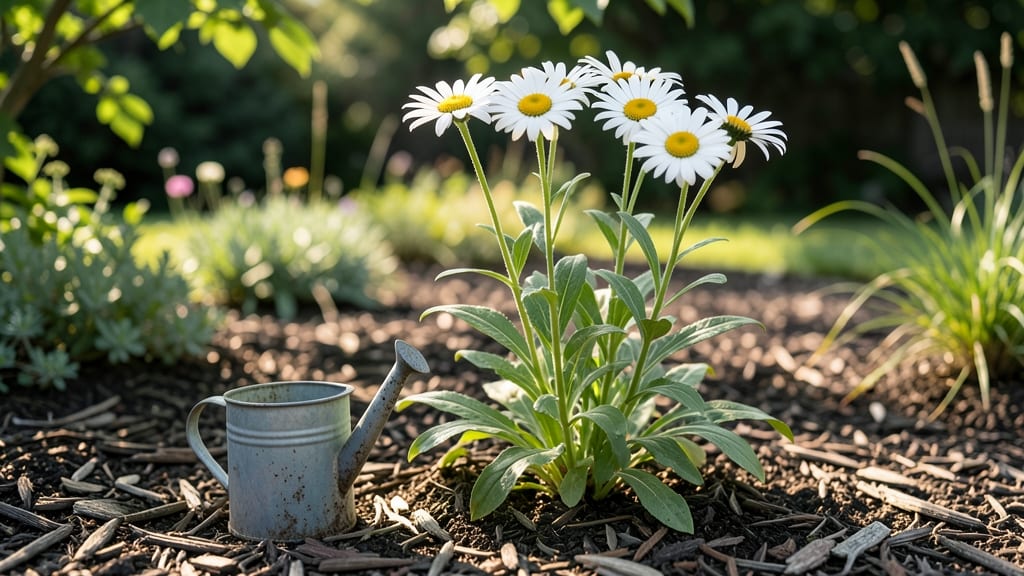
Daisies thrive in sun or shade, depending on the variety you choose — and picking the right one can mean year-round blooms even in tricky spots.
Did you know daisies can thrive in both sun-drenched gardens and shady corners—with the right varieties? These cheerful blooms aren’t just for sunny spots, and choosing the perfect type can mean year-round color, even in low-light areas.
Some varieties, like Gerbera daisies, crave full sun to burst with vibrant hues, while others, such as Shasta daisies, handle partial shade like a pro. The key is matching your garden’s light to the daisy’s needs—so you’re not left with wilted petals or sparse blooms.
In this guide, I’ll break down the best daisies for sun vs. shade, how to transition them safely, and the simple tweaks—like soil and watering—that keep them thriving no matter where you plant them.
 Best Window Placement
Best sun-loving daisy varieties for full bloom year-round
If you're dreaming of a garden bursting with vibrant daisies that thrive under the harshest sun, you're in luck! The right sun-loving varieties can deliver nonstop blooms from spring through fall—even in hot, dry climates.
My top picks include Gerbera daisies, African daisies, and Oxeye daisies, each bringing bold colors and resilience to full-sun spots. These varieties aren’t just pretty; they’re drought-tolerant powerhouses once established.
Why focus on sun-loving daisies? Because 6+ hours of direct sunlight triggers their brightest blooms and strongest stems. In my Zone 7 garden, I’ve seen Gerbera daisies produce 50% more flowers in full sun compared to partial shade.
The secret? Well-draining soil, consistent watering, and a little morning sun protection in extreme heat. Let’s dive into the best performers and how to keep them flourishing all season.
🌻
| Variety | Sun Needs | Bloom Time | Height | Care Tips |
|---|---|---|---|---|
| Gerbera Daisy | 6-8 hours | Spring-Fall | 12-24" | Deadhead spent blooms; mulch to retain moisture |
| African Daisy | Full sun | Summer-Fall | 18-36" | Water at base; avoid wetting leaves |
| Oxeye Daisy | 6+ hours | Summer-Late Fall | 24-36" | Drought-tolerant; trim back after first bloom |
| Painted Daisy | Full sun | Spring-Fall | 12-18" | Divide clumps every 2-3 years |
| Shasta Daisy | 6-8 hours | Summer | 24-36" | Stake tall varieties; fertilize lightly in spring |
First up, Gerbera daisies steal the show with their bold, papery petals in every color imaginable. These annuals or tender perennials (depending on your zone) need at least 6 hours of sun to produce their signature large, dinner-plate blooms.
In my experience, they’re heat-loving but need well-draining soil to prevent root rot. I’ve found that amending clay soil with compost and perlite works wonders for their root health.
Next, African daisies (also called African marigolds) are drought-tolerant superstars that thrive in full, blazing sun. Their ruffled petals and deep yellow centers make them a pollinator magnet.
The key to their success? Watering deeply but infrequently—I water mine every 3-5 days in summer but let the soil dry completely between sessions. This mimics their natural arid habitat and keeps them blooming nonstop.
For a wild, natural look, Oxeye daisies are my go-to. These perennial workhorses produce cheerful white-and-yellow blooms from midsummer until frost. They’re extremely low-maintenance and self-seeding, meaning they’ll spread and multiply year after year. My trick? Let them go to seed in late
Shade-tolerant daisies that defy the dark: hidden gems for low-light gardens
If you thought daisies belonged only in sun-drenched meadows, think again! Many varieties thrive in partial shade or even full shade, bringing their cheerful blooms to your garden's darkest corners.
The key is selecting the right shade-tolerant daisies—like Shasta daisies, English daisies, and woodland varieties—that adapt beautifully to lower light conditions. These hidden gems can transform shady spots into vibrant displays with minimal extra effort.
Not all shade is created equal, though. Partial shade (3-6 hours of sunlight) suits most daisy varieties, while full shade (less than 3 hours) requires specialized picks like woodland daisies or Gerbera daisies in their shade-tolerant forms.
The secret to success lies in matching the variety to your garden's specific light conditions and adjusting care routines accordingly. Let’s explore the best options and how to coax those blooms to life in low-light areas.
Shade-Tolerant Daisies: Pros & Cons
- Thrives in partial shade (3-6 hrs sun)
- Bright blooms in low-light gardens
- Less watering needed in shade
- Extended blooming season in cool climates
- Fewer blooms in full shade (vs. sun)
- Requires rich, moist soil
- May need supplemental light indoors
- Some varieties flop in heavy shade
For partial shade gardens, Shasta daisies are my top pick—they produce large, classic white blooms with minimal fuss. These hardy perennials tolerate 3-6 hours of sunlight daily and even perform well in morning sun with afternoon shade.
Pair them with English daisies for a mix of colors, as their ruffled petals add texture and charm to shady borders.
When dealing with full shade conditions, turn to woodland varieties like Oxeye daisies or Gerbera daisies in their shade-tolerant cultivars. These plants adapt to less than 3 hours of direct light but still deliver vibrant blooms.
To maximize their potential, amend the soil with compost or organic matter to improve drainage and fertility. Shady spots often have compacted or poor soil, so this step is crucial for root health.
Watering needs shift in shade, too. Shade-loving daisies typically require more consistent moisture because shaded soil stays damp longer. Aim to water deeply 2-3 times per week during dry spells, focusing on the root zone rather than surface splashing.
Mulching with organic material like straw or shredded leaves helps retain moisture and keeps roots cool—a must for shade gardens.
Don’t overlook fertilizer adjustments for shade-grown daisies. Use a balanced, slow-release fertilizer (like 10-10-10) in early spring to encourage growth, but avoid heavy feeding in late summer.
Too much nitrogen can lead to leafy growth at the expense of blooms, which is the last thing you want in a shade garden. A light application every 6-8 weeks keeps them happy without overstimulating foliage.
With the right variety and care, your shady garden can burst with daisies—no sunny spot required. Try mixing Shasta daisies with hostas or ferns for a lush, layered look, or plant English daisies near a north-facing window for indoor color.
The key is patience: shade-loving daisies may take a season or two to fully establish, but the payoff is worth it. Happy gardening! 🌿