
Shrubs
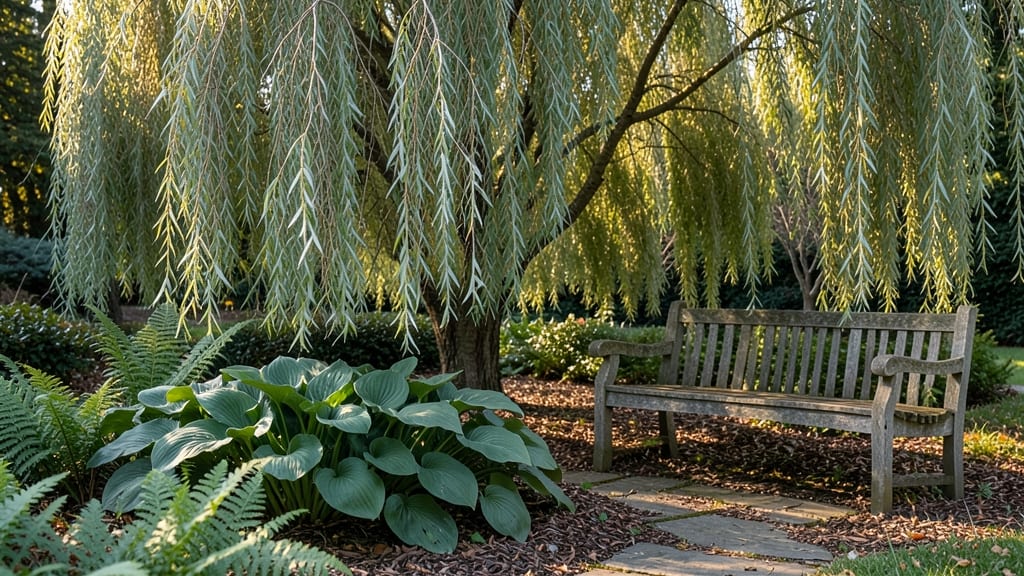
A dappled willow thrives in sun or shade with the right balance 🌳 — the key to its lush, weeping branches and stunning visual appeal.
Struggling to decide whether your dappled willow thrives in sun or shade? Planting it in the wrong light conditions could stunt its growth—or even kill it. This graceful tree isn’t picky, but it does have preferences that make all the difference in how vibrant it stays.
Whether you’re designing a cottage garden, adding drama near a water feature, or simply filling a small yard, the right spot transforms your willow into a standout focal point. Too much harsh sun can scorch its delicate leaves, while deep shade may leave it leggy and sparse.
In this guide, I’ll walk you through how to assess your yard’s light patterns, spot the perfect location for your willow, and keep it thriving year after year—no guesswork required.


Understanding dappled willow light requirements: sun vs. shade balance
The dappled willow (Salix caprea 'Pendula') is a stunning ornamental tree known for its graceful, weeping branches and delicate foliage. But unlike hardy sun-lovers, this beauty thrives in a delicate balance of sun and shade.
Too much direct sun can scorch its leaves, while too little light weakens its growth. Understanding this balance is key to keeping your willow healthy and lush.
At its core, the dappled willow's light needs revolve around photosynthesis efficiency. Its leaves are adapted to capture moderate light intensity, which prevents the stress of intense sunlight while still fueling growth.
In nature, these trees often grow under the filtering canopy of taller trees, where they receive dappled sunlight—a mix of direct rays and shade. Recreating this environment in your garden is the secret to success.
Here’s the critical insight: while dappled willows tolerate full sun in cooler climates, they prefer partial shade in hot, southern regions. The ideal spot offers morning sun and afternoon shade, protecting the tree from the harshest rays.
Without this balance, you risk leaf burn or stunted growth—both of which can shorten your tree’s lifespan.
| Light Requirement | Ideal Conditions | Seasonal Adjustments |
|---|---|---|
| Morning Sun | 3-4 hours of direct light | Spring/Fall: Full exposure |
| Afternoon Shade | Filtering shade (50-70%) | Summer: Essential in hot zones |
| Dappled Light | Mixed sun/shade patches | Year-round ideal for growth |
| Full Sun Tolerance | Up to 6 hours (cooler climates) | Winter only in harsh sun zones |
| Deep Shade Risk | Less than 3 hours light | Leads to weak, sparse foliage |
The science behind this preference lies in the willow’s chlorophyll sensitivity. Intense sunlight can overpower its photosynthetic capacity, leading to oxidative stress and leaf damage. Meanwhile, deep shade slows down photosynthesis, reducing the energy available for growth.
The sweet spot? Dappled light—where sunlight filters through leaves or a lattice, creating a gentle, moving pattern that mimics its natural habitat.
Regional differences play a huge role in light needs. In northern climates (USDA Zones 3-5), dappled willows can handle full sun exposure because cooler temperatures reduce leaf burn risk. But in southern zones (7-9), even partial afternoon shade is crucial.
For example, a willow in Arizona’s 110°F summers will struggle in full sun, while one in Maine’s mild summers may thrive with more direct light.
Seasonal shifts also demand attention. In spring and fall, when temperatures are moderate, your willow can enjoy more direct sunlight—up to 5-6 hours daily. However, during summer’s peak heat, even a tree accustomed to full sun may need additional shade protection.
Watch for yellowing leaves or crispy edges—these are clear signs your willow is getting too much sun.
Another critical factor is light intensity vs. duration. A willow can handle strong morning sun because the light is less intense, but afternoon sun is often too harsh.
If your yard lacks natural shade, consider installing a light-colored shade cloth (30-50%) or planting nearby trees with open canopies, like birch or aspen, to diffuse the light without blocking it entirely.
For urban gardeners, microclimates matter most. A willow planted against a south-facing brick wall will bake in summer, while one near a north-facing fence may receive just enough filtered light.
Always observe your yard’s sunlight patterns throughout the day—use a sunlight tracker app or mark shadows with stakes to identify the best spot before planting.
Finally, remember that young dappled willows are more sensitive to light stress than mature trees. When planting, choose a location that offers flexibility for growth. As your willow matures, its own branches will create natural shade, reducing the need for external adjustments.
With the right light balance, your dappled willow will reward you with vibrant foliage and elegant form for decades.
Best planting locations for dappled willows: sunlight patterns to avoid
Finding the perfect spot for your dappled willow starts with understanding how sunlight moves across your yard. These graceful trees thrive in partial shade but can suffer in harsh afternoon sun or dense shade.
The key is identifying areas with filtered sunlight—think of the gentle light under mature trees or near north-facing walls. Urban gardens often create unique microclimates where sunlight patterns shift dramatically, so testing multiple spots before planting is essential.
Morning sun paired with afternoon shade creates the ideal dappled light environment. In rural settings, open meadows with scattered trees provide natural sunlight breaks that mimic this perfect balance. However, city landscapes with tall buildings can block sunlight unpredictably, creating unexpected shade patterns that may not suit your willow's needs.
Always observe your yard's light conditions for at least 24 hours before making a decision.
⚠️ Critical Sunlight Warning
Avoid these deadly patterns:
- Harsh afternoon sun (2 PM–6 PM) causes leaf scorch and stunted growth
- Dense shade (less than 30% light) leads to weak branches and poor flowering
- Reflective surfaces (concrete, water) amplify heat and double sun damage
East-facing locations offer gentle morning sunlight while protecting your dappled willow from intense afternoon rays. I planted mine near a north-facing fence that provided consistent partial shade throughout the day.
This spot kept the soil moist while preventing overheating. In contrast, a friend's willow planted under a south-facing roof overhang suffered from root dehydration during summer droughts.
Urban gardens require extra attention to building shadows. Tall structures can create rapidly shifting light zones—what's shade at 9 AM may become full sun by noon. Use a light meter app to track hourly changes.
Rural properties often have more predictable patterns, but watch for seasonal shifts—what's partial shade in summer may become full sun in winter when deciduous trees lose leaves.
Test your yard's microclimates by placing light-sensitive plants (like hostas or ferns) in candidate spots for 2-3 weeks. Their reactions will reveal hidden sunlight patterns. For example, if your hostas brown at the edges, that area gets too much sun for a dappled willow.
Conversely, if they stay lush and green, it's likely a safe zone. This simple test saves you from years of trial and error.
Case studies show dramatic differences in growth based on placement. A dappled willow planted under a large oak tree in my neighbor's yard grew 3 feet taller in two years than one planted in an open southern exposure.
The shaded specimen developed longer, healthier branches while the sun-exposed one showed yellowing leaves by mid-summer. These real-world examples prove that light pattern awareness directly impacts your tree's success.
Remember, your dappled willow's weeping branches will naturally create their own shade canopy as they mature. Start with a spot that provides 4-6 hours of filtered light daily, then let the tree guide future adjustments.
With the right placement, your willow will become the centerpiece of your garden's dappled light ecosystem.