
Light Requirements
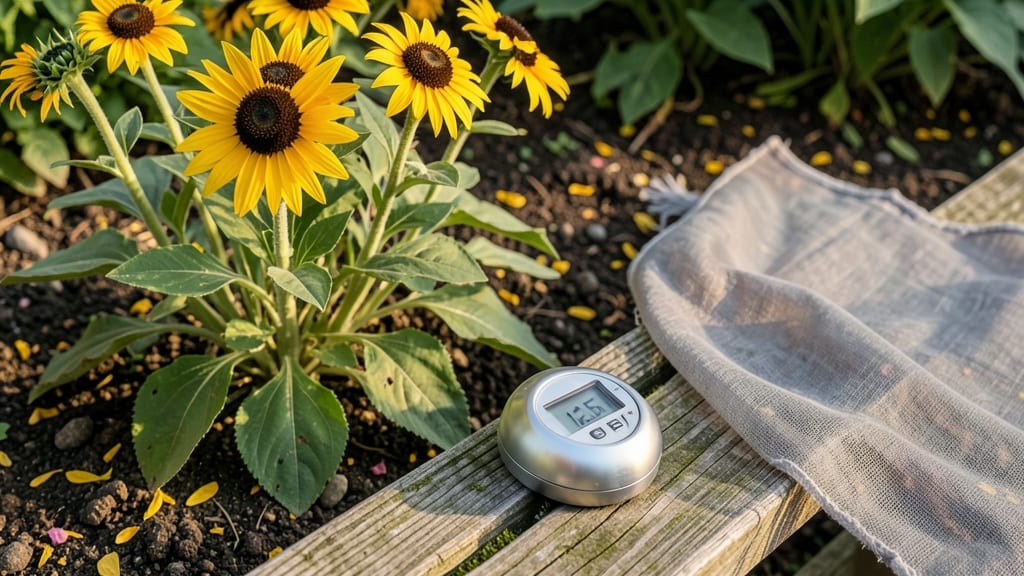
Full sun to partial shade means a plant thrives with 6 to 8 hours of direct sunlight daily (full sun) but can tolerate 3 to 6 hours (partial shade), balancing vigorous growth with stress prevention.
This lighting spectrum is all about finding that sweet spot where plants get enough energy for photosynthesis without overheating or drying out. 🌿 The key difference between full sun and partial shade lies in how plants metabolize light—too little light stunts growth, while too much can scorch leaves or reduce flowering.
For example, sun-loving plants like tomatoes need full sun to produce abundant fruit, while shade-tolerant ferns thrive in partial shade to prevent leaf burn.
Understanding your garden's microclimates is crucial. A spot near a building might get only 4 hours of direct sun, while an open area gets 8+—both are valid but require matching plants accordingly.
I always recommend observing your space for a season before planting to avoid common mistakes like overcrowding sun-hungry plants in shaded corners.
💡 In This Article
- How Sunlight Percentages Affect Plant Growth
- Choosing the Right Light Conditions for Your Plants
How sunlight percentages affect plant growth
Sunlight isn't just about brightness—it's about the precise wavelength and intensity that drive photosynthesis. Plants absorb light primarily through chlorophyll in their leaves, which converts sunlight into chemical energy during photosynthesis.
Full sun (6-8 hours of direct light) maximizes this process, producing 10-20% more glucose than partial shade conditions, thanks to higher light intensity. However, the trade-off is increased water loss through transpiration, which is why many sun-loving plants develop thicker cuticles or waxy coatings to retain moisture.
The science gets even more interesting when we look at leaf structure. Plants in full sun often have smaller, thicker leaves with more stomata (pores) on the undersides to balance gas exchange and water retention.
In contrast, shade-loving plants like hostas or ferns develop larger, thinner leaves with fewer stomata to capture diffused light more efficiently. 🌱 This adaptation explains why a tomato plant's leaves might look leathery and dark green in full sun, while a shade plant's leaves appear delicate and lighter in color.
Flowering and fruiting are directly tied to light exposure too. Many vegetables and fruits—like peppers, eggplants, and strawberries—require full sun to trigger flowering hormones. Without adequate light, these plants may produce lush foliage but few (if any) flowers or fruits.
For example, a strawberry plant in partial shade might grow strong leaves but fail to set berries because the photoperiodism (light duration response) isn't satisfied.
Too much sun can be just as damaging as too little. Excessive UV radiation can cause photoinhibition, where the light energy overwhelms the plant's ability to process it, leading to leaf scorch or bleaching.
This is why some plants, like impatiens or caladiums, thrive in partial shade—they avoid the midday sun's harshest rays while still getting enough light for moderate growth. The ideal scenario is often a dappled light environment, where sunlight filters through tree canopies or structures, providing bright but indirect illumination.
Temperature also plays a hidden role. Full sun areas can be 10-15°F warmer than shaded spots, which affects soil microbes and nutrient availability.
For instance, a basil plant in full sun might bolt (flower prematurely) in hot climates because the combination of high light and heat triggers its reproductive cycle too quickly. Understanding this interplay helps gardeners adjust watering schedules or use shade cloth to protect delicate plants during peak sunlight hours.
Here's a quick comparison of how different light levels impact growth:
- Full sun (6-8 hours): Best for tomatoes, peppers, and sunflowers—promotes robust growth and high yields but requires consistent watering
- Partial shade (3-6 hours): Ideal for herbs like cilantro, lettuce, and ferns—balances growth without risk of overheating
- Deep shade (<3 hours): Suitable for mosses, snake plants, or hostas—growth is slower but avoids stress from intense light