
Light Requirements
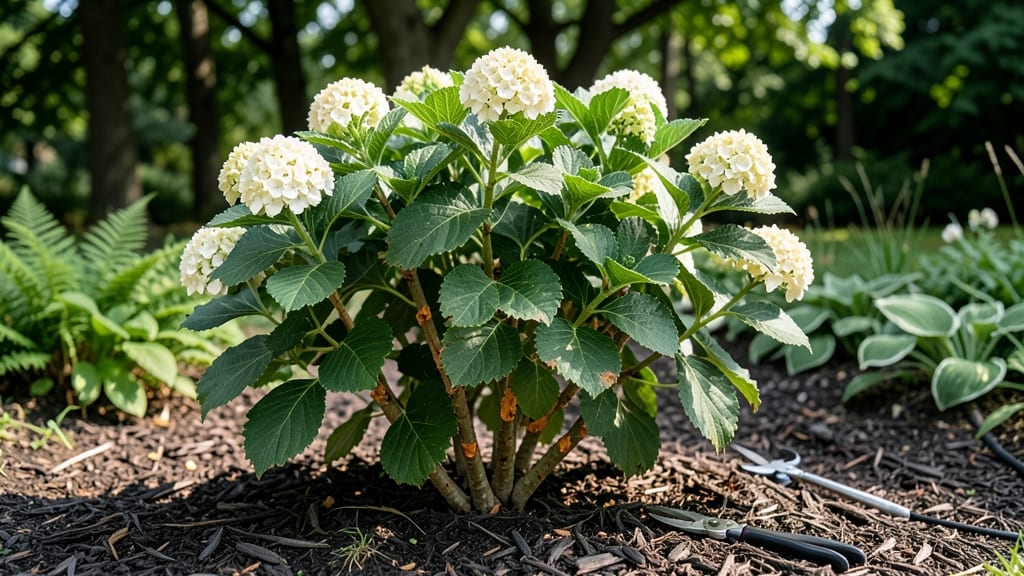
Growing an oak leaf hydrangea 🌿 in full shade isn’t just possible—it’s where this shrub truly shines with its lush foliage and stunning fall colors.
Struggling to keep your oak leaf hydrangea thriving in full shade? The secret isn’t just sunlight—it’s the hidden power of soil pH that unlocks those stunning deep green leaves and fiery fall colors.
Most gardeners assume shade means less care, but the truth is, oak leaf hydrangeas in full shade actually need more attention to soil conditions than you might think.
In this guide, I’ll show you how to adjust soil pH for vibrant foliage, avoid common mistakes that ruin growth, and keep your hydrangea looking its best even in the deepest shade.
 Best Window Placement
How soil pH directly affects oak leaf hydrangea foliage in full shade
Your oak leaf hydrangea thrives in full shade, but its stunning foliage color and health depend on one critical factor: soil pH. While shade provides the perfect backdrop, the wrong pH can trigger yellowing leaves, stunted growth, or even death—even when sunlight needs are met.
This shrub prefers a slightly acidic range (5.0–6.0) to unlock its full potential.
In full shade, hydrangeas already struggle with chlorophyll production because of limited light. When soil pH strays from the ideal range, the plant’s ability to absorb essential nutrients like iron and manganese plummets.
These micronutrients are vital for vibrant green leaves and robust stems. Without them, your hydrangea’s foliage may turn yellow, brown, or develop weak spots.
Let’s break down how pH impacts your oak leaf hydrangea in three key ways: nutrient availability, chlorophyll synthesis, and root health. Understanding these connections will help you diagnose and fix issues before they ruin your plant’s appearance.
🌱
| pH Level | Nutrient Uptake Impact | Foliage Symptoms | Quick Fix |
|---|---|---|---|
| Below 5.0 | Iron and manganese become locked out; aluminum toxicity rises. | Yellowing between veins (chlorosis), weak stems. | Add crushed limestone (1/4 cup per plant). |
| 5.0–6.0 | Optimal uptake of iron, manganese, and phosphorus. | Deep green leaves, strong growth, vibrant fall colors. | Maintain with compost and organic mulch. |
| Above 6.0 | Iron and manganese become unavailable; calcium excess. | Yellowing leaves (iron deficiency), brown leaf edges. | Apply sulfur or pine needles (1 cup per plant). |
| Above 7.0 | Severe nutrient lockout; root damage from alkalinity. | Wilting, crispy leaf edges, stunted growth. | Emergency sulfur treatment (1 lb per 10 sq ft). |
When soil pH drops below 5.0, your hydrangea can’t absorb enough iron, even if the soil contains it. This leads to interveinal chlorosis—yellowing between leaf veins while the veins stay green.
In full shade, this issue worsens because the plant already struggles to produce chlorophyll. Without iron, the leaves can’t manufacture enough chlorophyll to capture the little light available.
On the opposite end, if pH rises above 6.0, manganese and iron become chemically bound to soil particles, making them inaccessible. Your hydrangea’s leaves may develop brown spots or turn yellow uniformly, signaling a deficiency.
In extreme cases (pH >7.0), roots suffer from alkaline stress, leading to wilting even with adequate water.
Another critical factor is manganese availability. This nutrient is essential for photosynthesis efficiency, especially in low-light conditions. At pH 5.5, manganese uptake is optimal, but at pH 7.0, it drops by 90%.
Without manganese, your hydrangea’s leaves may appear pale or develop necrotic spots, particularly on older foliage.
🌿
Diagnosing pH-related issues starts with observing your hydrangea’s leaves. Yellowing between veins (chlorosis) is the first red flag. If the entire leaf turns yellow, it may signal a broader issue like overwatering, but combined with slow growth, it’s likely a pH imbalance.
In full shade, these symptoms are often misdiagnosed as light deprivation, but pH testing will reveal the real culprit.
To confirm, grab a soil pH test kit (digital or liquid) and test your hydrangea’s root zone. Most garden centers sell affordable kits for under $10. If your reading is outside the 5.0–6.0 range, take corrective action immediately.
Remember, oak leaf hydrangeas are acid-loving shrubs, so they perform best in slightly acidic conditions.
Once you’ve adjusted the pH, monitor your hydrangea’s response over 4–6 weeks. New growth should show improved color and vigor. If not, check for other stressors like compacted soil or poor drainage, which can exacerbate pH-related issues in full shade.
🪴
Step-by-step pH adjustment guide for full-shade hydrangeas
Your oak leaf hydrangea thrives in full shade, but even the best light conditions fail without the right soil pH. Aim for a 5.0–6.0 range—this unlocks vibrant foliage colors and prevents yellowing.
Without adjustments, your plant may struggle to absorb essential nutrients like iron and manganese, even in shade.
Testing your soil first is non-negotiable. Grab a pH test kit (digital or liquid) or send a sample to your local cooperative extension service. Most garden centers sell affordable kits for under $15.
I recommend testing in early spring before new growth begins, so you have time to adjust before the growing season peaks.
Here’s how to adjust your soil pH safely and effectively:
Organic amendments work slower but are safer for shade-loving plants like your hydrangea. For example, pine needles lower pH gradually over months, while sulfur acts faster but requires careful monitoring. Always water thoroughly after applying amendments to help them integrate into the soil.
Seasonal maintenance is key. In spring, focus on lowering pH if needed, while fall is perfect for adding organic matter to prep for winter. Avoid overcorrecting—small adjustments prevent nutrient imbalances that stress your plant.
With patience, your oak leaf hydrangea will reward you with lush, vibrant foliage all season long.
🌿