
Light Requirements
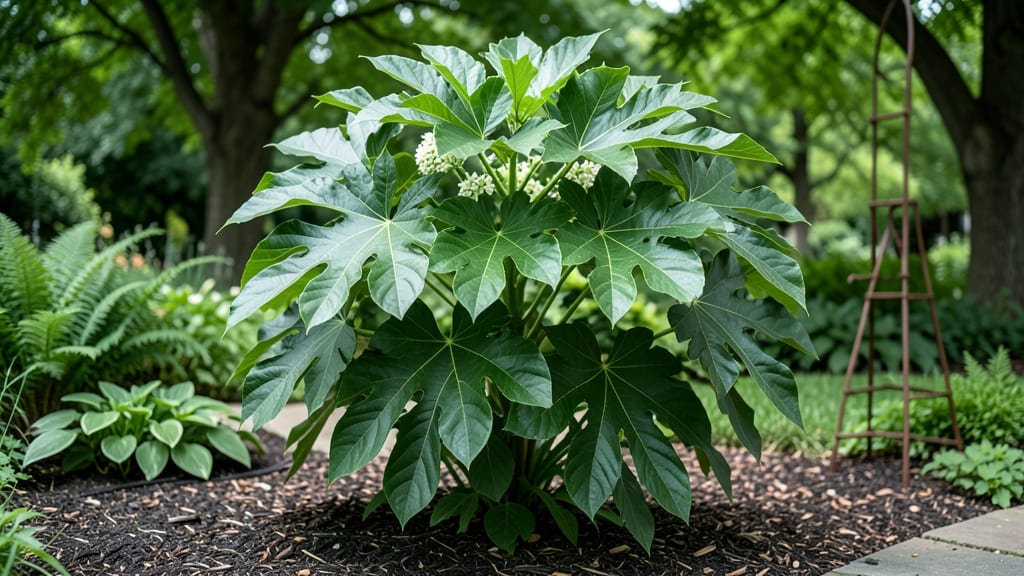
Zone 9’s deep shade isn’t a dead zone—it’s prime real estate for plants that thrive where others fade. 🌿 I’ve spent years testing shade-loving species in my own Houston yard, and these are the ones that consistently deliver lush foliage, vibrant blooms, and minimal fuss.
The key? Matching plants to your specific shade type—dappled, partial, or full—because not all shade is created equal.
Native ferns like the leatherleaf and sword fern dominate my shadiest corners, their fronds unfurling reliably even under dense oak canopies. For texture, elephant ears (Colocasia) bring bold, glossy leaves that feel like velvet, while hostas—especially the blue-green varieties—stay compact and pest-resistant.
The real game-changers? Impatiens for cascading color and caladiums for their showstopping, patterned foliage that brightens dim spaces like stained-glass windows.
You’ll end up with a garden that feels alive year-round, where every season brings new interest—spring’s delicate bleeding hearts, summer’s heuchera with its jewel-toned leaves, and fall’s toad lilies that pop like fireworks.
These plants don’t just survive shade; they thrive, turning forgotten corners into lush, low-maintenance havens. The best part? They all handle Zone 9’s humidity and occasional heat spikes without breaking a sweat.
Pro tip: Pair moisture-loving plants like ferns with drought-tolerant sweet woodruff or foamflower to create layers that work together. And if your shade is dry (like under a metal roof), focus on sarcococca or Japanese painted fern—they’re the unsung heroes of tough spots.
Ready to transform that dim corner into a garden jewel?
📚 In This Guide
- What you need
- Instructions
- Tips and common mistakes
- Wrapping up and next steps
What you need
- ● Shade-tolerant plants: 5–10 plants (e.g., Caladiums, Ferns, Hostas, Impatiens, or Begonias). Choose based on your shade level (deep, partial, or dappled).
- ● High-quality potting soil: 2–3 bags (look for organic, well-draining mix, like Miracle-Gro Garden Soil or FoxFarm Ocean Forest).
- ● Organic mulch: 1–2 bags (e.g., pine bark, shredded leaves, or cocoa hulls to retain moisture and suppress weeds).
- ● Slow-release fertilizer: 1–2 packets (e.g., Osmocote Smart-Release Plant Food for balanced nutrients).
- ● Watering can or hose with a gentle spray nozzle: 1 (for consistent moisture without disturbing soil).
- ● Garden gloves: 1 pair (to protect hands from soil and sharp edges).
- ● Trowel or hand shovel: 1 (for planting and soil prep).
- ● Pruners (bypass or felco): 1 pair (for trimming dead foliage or shaping plants).
- ○ Garden fork or aerator: 1 (optional, for loosening compacted soil).
- ● Measuring tape or ruler: 1 (to space plants 12–24 inches apart, depending on variety).
- ○ Test your soil: Use a soil pH kit (optional but helpful). Most shade plants prefer slightly acidic to neutral (6.0–7.0).
- ● Check shade levels: Observe your garden’s shade patterns (e.g., deep shade = <3 hours of sun, partial shade = 3–6 hours).
- ● Watering schedule: Shade plants need consistent moisture—aim for 1–1.5 inches per week (adjust for heatwaves!).
- ● Drainage check: Ensure containers or garden beds have holes or slopes to prevent root rot.
Step-by-step guide to selecting and planting shade-loving plants in Zone 9
Transform your shady spots into lush, thriving gardens with these expert-tested shade plants perfect for Zone 9's warm climate.
🌿 Step 1: Identify Your Shade Levels and Soil Conditions
Zone 9's shade varies dramatically—what looks like deep shade in winter may get filtered light in summer. I categorize my shade into three types: dappled (filtered light through trees), partial (3-6 hours of indirect sun), and deep (less than 3 hours of light). Test your spot by placing a white board where you plan to plant and checking the light patterns throughout the day.
Soil matters just as much. Shade plants often tolerate moist, well-draining soil, but Zone 9's heat means clay soils can bake hard. Amend heavy clay with 2-3 inches of organic compost (like the 4 cubic feet you'll need for a 4'x4' area) to improve drainage while retaining moisture. If your soil is sandy, mix in 1-2 inches of peat moss to help it hold water better.
🌱 Step 2: Choose the Right Plants for Your Shade Type
For dappled shade, I recommend hostas, astilbes, and ferns—these handle some bright light while still thriving in cooler conditions. Hostas, in particular, come in stunning variegated varieties that add texture to shady borders. Plant them 12-18 inches apart to give their broad leaves room to spread.
In partial shade, opt for impatiens, caladiums, and coleus—these love the warmth of Zone 9 but still appreciate protection from harsh afternoon sun. Impatiens bloom nonstop from spring to frost, while caladiums deliver dramatic foliage in shades of pink, red, and white. Space these 6-12 inches apart depending on their mature size, as they fill out quickly.
For deep shade, turn to heucheras, lungworts, and Japanese painted ferns. Heucheras, with their vibrant foliage in purple, silver, or deep green, are especially low-maintenance once established. Plant these 10-12 inches apart to create a dense, textured ground cover that suppresses weeds naturally.
💧 Step 3: Plant with Proper Spacing and Mulching
Dig holes twice as wide as the root ball but only as deep as the container. This encourages roots to spread outward rather than settling too deeply, which is crucial in Zone 9's heat. Gently remove plants from their containers and tease apart any circling roots—this prevents girdling as the plant matures.
Fill the hole with soil, pressing lightly to eliminate air pockets, then water deeply to settle everything. Top with 2-3 inches of mulch (like shredded bark or pine needles) to retain moisture and regulate soil temperature. Keep mulch 2 inches away from plant stems to prevent rot. I always mulch after planting because Zone 9's dry spells can stress newly installed plants quickly.
☀️ Step 4: Establish a Watering Routine for Shade Plants
Shade plants in Zone 9 need consistent moisture but hate soggy roots. Water deeply 2-3 times per week during the first growing season, aiming for 1 inch of water per week. Check soil moisture by sticking your finger 1 inch deep—if it feels dry, it's time to water. In deep shade, soil stays moist longer, so you may need to water less frequently once established.
Morning watering is best—it gives foliage time to dry before evening, reducing fungal risks. I set a timer on my irrigation system for 15-20 minutes every other morning during peak heat. Avoid overhead watering once plants are established, as wet leaves encourage mildew. Instead, water at the base with a soaker hose or drip irrigation.
✂️ Step 5: Maintain with Pruning and Seasonal Care
Most shade plants in Zone 9 need minimal pruning, but deadheading spent blooms (like on impatiens) encourages more flowers. Snip stems back to the nearest leaf or growth node with clean, sharp pruners. For ferns, remove any brown fronds in early spring to make room for new growth—this keeps plants looking tidy without stressing them.
In late winter, before new growth appears, apply a 2-inch layer of compost around plants (but not touching stems) to replenish nutrients. Zone 9's warm winters mean some shade plants may stay green year-round, but others like caladiums will die back. Cut back dead foliage in early spring to make space for fresh growth, and watch for new shoots emerging from the soil.
Tips & tricks for perfect shade plant gardens in Zone 9
Here's what nobody tells you about creating thriving shade gardens in Zone 9's challenging conditions.
Light Assessment: That 3-6 hour partial shade measurement changes seasonally—what's partial in summer may become deep shade in winter. I test my spots for a full week before planting by placing a white board where I plan to garden. This helps me match plants to the actual light conditions they'll receive throughout the year.
Soil Prep Strategy: Zone 9's heat turns clay soil into concrete if you're not careful. For a 4'x4' area, I mix the required 4 cubic feet of organic compost into the top 6 inches of soil before planting. This creates a moisture-retaining layer while preventing compaction. For sandy soils, I add an extra 1-2 inches of peat moss to help retain water without suffocating roots.
Plant Spacing Secrets: The spacing guidelines—12-18 inches for hostas, 6-12 inches for impatiens—are minimums, not maximums. In Zone 9's heat, plants spread more aggressively than in cooler climates. I always plant at the wider end of the range and thin out as needed. This prevents overcrowding that leads to fungal issues from poor airflow.
Mulching Mastery: Those 2-3 inches of mulch aren't just decoration—they're insulation. In summer, mulch keeps roots cool, and in winter, it prevents temperature swings that stress plants. I use shredded bark because it breaks down slowly, but pine needles work too. The key is keeping it 2 inches away from stems to prevent rot while still protecting the root zone.
Pro Tips for Shade Loving Plants Zone 9
- Here's what nobody tells you about creating thriving shade gardens in Zone 9's challenging conditions.
- Light Assessment: That 3-6 hour partial shade measurement changes seasonally—what's partial in summer may become deep shade in winter.
- Soil Prep Strategy: Zone 9's heat turns clay soil into concrete if you're not careful.
Frequently asked questions
Got questions about growing shade-loving plants in Zone 9? You’re not alone! Here are answers to the most common concerns—from picking the right plants to keeping them happy in low-light spots.
What are the best shade-tolerant plants for Zone 9 that thrive without direct sun?
Top picks include hostas (for texture), heucheras (vibrant foliage), caladiums (dramatic leaves), and ferns (lush greenery). For ground cover, try ajuga or sweet woodruff. Native options like wax myrtle or inkberry holly also excel in deep shade. Pro tip: Mix perennials with shade-tolerant annuals like impatiens for year-round color!
How long does it take for shade plants to establish in Zone 9’s heat?
Most shade-loving plants take 6–12 weeks to establish roots, but slow growers like hostas or ferns may need 1–2 seasons for full vigor. Water deeply 2–3 times per week during the first month to encourage root growth. Remember: Overwatering is worse than underwatering—let soil dry slightly between waterings!
Can I grow shade plants in containers in Zone 9, and what’s the best soil mix?
Containers work great for caladiums, begonias, or coleus. Use a well-draining mix of 50% peat moss or coconut coir, 30% perlite, and 20% compost. Add a slow-release fertilizer at planting for a nutrient boost. Bonus: Elevate pots to improve drainage and prevent root rot!
Why are my shade plants yellowing or wilting in Zone 9, even with enough water?
Yellowing leaves often signal overwatering or poor drainage, while wilting can mean root stress from heat or pests like slugs or scale insects. Check soil moisture—it should be damp but not soggy. Troubleshoot: Trim affected leaves, improve airflow, and apply neem oil if pests are the culprit.
Are there any shade plants for Zone 9 that also attract pollinators?
Yes! While most shade plants aren’t sun-seekers, clethra (summer sweet), astilbe, and foamflower produce fragrant blooms that draw bees and butterflies. For foliage lovers, heuchera varieties with red or pink stems add color while supporting beneficial insects. Fun fact: Plant near partial shade edges to maximize pollinator visits!
Wrapping up and next steps
Transforming your shady Zone 9 space into a lush oasis is totally doable—you’ve got this! 🌿 From ferns and hostas to impatiens and caladiums, these shade-loving plants bring color, texture, and life to even the darkest corners.
Start small with a few favorites, experiment with combinations, and watch your garden flourish.
Ready to take the next step? Sketch a quick layout of your shady spots, noting sunlight exposure (even dappled light matters!). Then, grab some soil amendments or mulch and give your new plants the best start. Happy gardening—your future shade garden is waiting! ✨