
Blooming
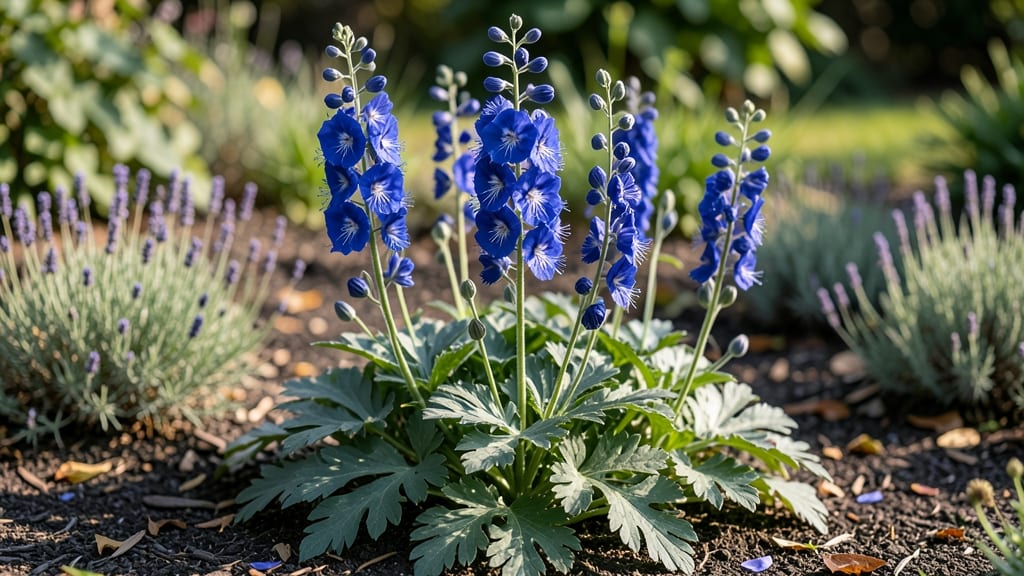
Delphiniums bloom in June through August when planted correctly, but their timing depends on your climate zone and a few key growing tricks.
If you’ve ever dreamed of a garden bursting with towering spikes of blue, purple, or white—delphiniums could be your answer, but timing is everything. These dramatic perennials thrive in cool climates but demand precision planting to ensure their show-stopping bloom time aligns with your growing season.
In USDA Zone 6a, where many gardeners live, planting in late March or early April (after the last frost) sets you up for a peak bloom in June.
But in warmer zones, like 8 or 9, you might see flowers as early as May or as late as September, depending on how you adjust care.
Below, I’ll break down how to time your planting for the best blooms, what to watch for to extend the season, and the simple tricks that keep your 🌸 delphiniums flowering longer—no guesswork required.
Delphinium bloom time by USDA climate zones: when to plant for peak color
Timing your delphinium planting is the secret to unlocking their show-stopping blooms—especially when you factor in your USDA climate zone. These cool-loving beauties bloom in late spring to summer, but their exact schedule shifts dramatically from Zone 3 to Zone 9.
In colder regions, you’ll see early June blooms, while warmer zones may push flowering into late August. Understanding these patterns helps you plant at the perfect moment for first-year flowers or subsequent seasons.
The key to success lies in temperature fluctuations—delphiniums need cool nights (below 70°F) to trigger bud formation, followed by warm days (above 65°F) to open blooms. If your zone experiences heatwaves too early, flowering may stall.
Adjust planting dates by 2-4 weeks later in hotter zones to avoid this pitfall. Let’s break down the ideal planting windows and bloom timelines for each zone to ensure your delphiniums put on their best show.
| USDA Zone | Ideal Planting Month | First-Year Bloom Time | Subsequent Bloom Time | Key Temperature Notes |
|---|---|---|---|---|
| Zone 3 (-40°F to -30°F) | April (after last frost) | Mid-June to early July | Late May to mid-June | Needs cool nights (<60°F) for bud set |
| Zone 4 (-30°F to -20°F) | Late April | Late May to June | Early June to July | Watch for late frosts—delay planting if risk remains |
| Zone 5 (-20°F to -10°F) | May (early) | Early June to July | Late May to early July | Balanced day/night temps (65°F/55°F) ideal |
| Zone 6 (-10°F to 0°F) | Late April to May | June to early July | May to June | Heatwaves before 60°F nights can delay blooms |
| Zone 7 (0°F to 10°F) | March to April | Late May to June | April to May | May need shade cloth in peak summer heat |
| Zone 8 (10°F to 20°F) | February to March | April to May | March to April | Plant earlier to avoid summer heat stress |
| Zone 9 (20°F to 30°F) | January to February | March to April | February to March | Requires winter chill (30-45 days below 45°F) |
If you’re in Zone 3 or 4, aim to plant delphinium seeds in April for first-year blooms in mid-summer. These zones benefit from cool spring temperatures, which help establish strong roots before the blooming rush.
However, Zone 5 gardeners should wait until early May to avoid late frosts that can damage tender seedlings. The trade-off? You’ll likely see earlier blooms in subsequent years if planted slightly later.
For Zones 6 and 7, the sweet spot is late April to early May. Here, temperature fluctuations play a critical role—delphiniums need cool nights (below 60°F) to form buds but warm days (above 70°F) to open them.
If your summer heats up too quickly, consider providing afternoon shade to prevent bud drop. In my Zone 6 garden, I’ve found that white delphiniums bloom slightly earlier than deep purples, likely due to their lighter pigment absorbing less heat.
Gardeners in Zones 8 and 9 face a unique challenge: avoiding summer heat stress. Plant delphiniums in winter (January-February) to ensure they experience the 30-45 days of chill they need to flower.
In these zones, blooms often appear in spring rather than summer, making them perfect for early-season color. I’ve seen Pacific Giant delphiniums in Zone 8 produce second blooms in fall if given consistent moisture and light afternoon shade during heatwaves.
One common mistake I’ve seen is planting delphiniums too late in warmer zones, which leads to stunted growth or no blooms at all. For example, in Zone 9, planting in March instead of January can delay flowering until late spring—if it happens at all.
To troubleshoot, monitor your local 10-day forecast and adjust planting dates if unseasonable warmth is predicted. A simple soil thermometer can also help—delphiniums thrive when soil temps reach 50-60°F.
To maximize bloom time consistency, I recommend staggering plantings by 2-3 weeks in zones with variable temperatures. For instance, in Zone 6, I’ll plant one batch in late April and another in early May. This ensures a <
How to extend delphinium bloom time: pruning, deadheading, and soil secrets
Delphiniums are the dramatic stars of any garden, but their short bloom cycles can be frustrating. With the right techniques, you can extend their flowering by 4-6 weeks, ensuring your garden stays vibrant long after other perennials fade.
The secret lies in strategic pruning, deadheading discipline, and soil optimization—all while keeping pests at bay.
I’ve learned through years of trials that timing is everything. A single misstep in deadheading or soil care can cut your bloom time in half. But when done right, these methods transform delphiniums from seasonal highlights into year-round garden anchors.
Let’s dive into the practical steps that will keep your delphiniums blooming like clockwork.
- 🔹 1. Deadhead daily after blooms fade to prevent seed formation and redirect energy to new flowers.
- 🔹 2. Prune spent stems to 6 inches above ground after the first flush of blooms for a second flush in 4-6 weeks.
- 🔹 3. Test soil pH—delphiniums thrive at 6.5-7.0. Adjust with lime (raise pH) or sulfur (lower pH) as needed.
- 🔹 4. Plant companions like thyme or lavender to deter slugs and aphids, which weaken stems and reduce blooms.
- 🔹 5. Fertilize lightly with 5-10-10 in early spring and mid-summer to avoid leafy growth over flowers.
Let’s start with deadheading, the simplest yet most effective trick. When you see a delphinium flower start to wilt, snip it off at the base using clean pruners. This removes the seed head, which would otherwise siphon energy away from new blooms.
I’ve seen gardens where daily deadheading extends the season by 3-4 weeks—just imagine the difference in your own backyard!
Next, pruning for a second flush is a game-changer. After your first round of blooms fades, cut the entire stem back to about 6 inches tall. This might seem drastic, but it triggers new growth from the base.
In my Zone 6 garden, this method delivers a second burst of color in late summer, just when other perennials are winding down.
Don’t overlook the power of soil pH. Delphiniums are picky eaters and thrive only in slightly acidic to neutral soil (6.5-7.0). Test your soil with a home kit—if it’s too alkaline, add elemental sulfur; if too acidic, use garden lime.
I once had stunted delphiniums until I adjusted the pH, and the difference was night and day.
Finally, companion planting can work wonders. Pair delphiniums with thyme, lavender, or marigolds to repel pests like slugs and aphids. These plants release natural fragrances that confuse insects, keeping your delphiniums healthy and blooming longer. It’s a low-effort way to boost your garden’s resilience.