
Blooming
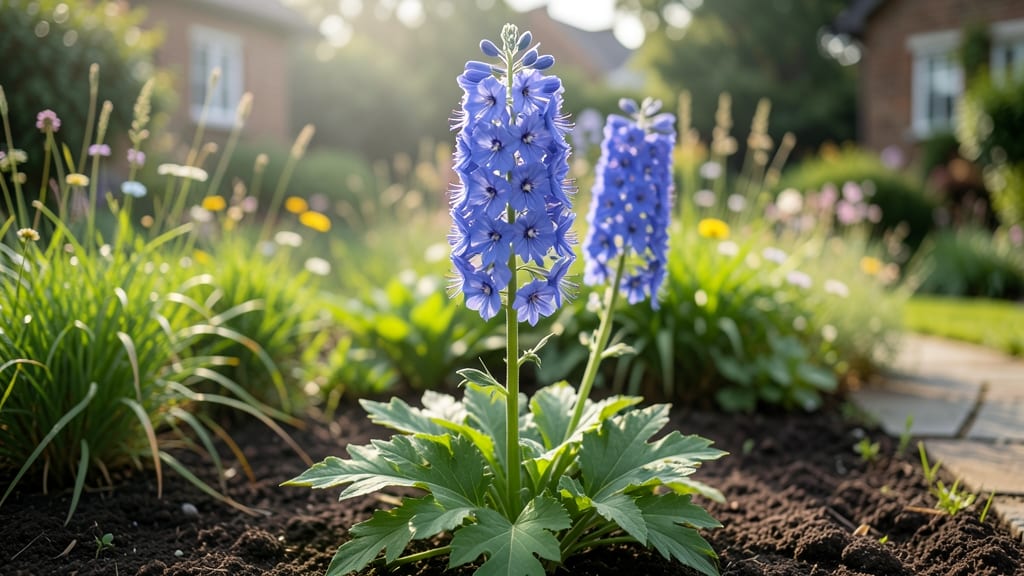
The delphinium flower bloom time depends on your climate zone, but in USDA Zone 6a, these towering 🌸 beauties typically burst into color between June and August.
If you’ve ever dreamed of vibrant blue spires brightening your garden but wondered when delphiniums actually bloom, timing is everything—especially when climate zones shift their schedules dramatically.
Most gardeners assume these biennials bloom only once, but with the right care—like deadheading spent blooms and feeding them phosphorus-rich fertilizer—you can stretch their show by 4 to 6 weeks.
Below, I’ll break down the exact months for peak blooms across zones, the top 5 varieties that last longest, and how sunlight, soil, and pruning can turn a single summer burst into a season-long display.
Delphinium bloom time by USDA climate zone: exact months for peak flowers
Timing your delphinium planting is crucial because these tall, showy bloomers thrive on precise conditions. Their peak bloom windows shift dramatically across USDA zones 3-9, with temperature thresholds between 55°F-75°F triggering flowering.
In cooler zones, expect early summer blooms, while warmer climates push flowering into late summer. Understanding these patterns helps you plan for maximum impact in your garden.
Delphiniums are cool-season plants that often bloom in their second year from seed. However, established plants can flower annually with proper care. The key to predicting bloom time lies in your last frost date and summer heat tolerance.
In zones 3-5, blooms arrive as early as late May, while zones 8-9 may see flowers as late as September. Let's break down the exact months for each zone.
In USDA zones 3-4, delphiniums typically bloom from late May to early June when daytime temperatures consistently reach 55°F-65°F. These cooler climates benefit from early sowing—start seeds indoors in March for established plants ready to flower.
The Pacific Giant variety thrives here, often producing 4-5 foot spikes of blue blooms that last 3-4 weeks.
Zones 5-6 see blooming shift to early June through mid-July, with ideal temperatures between 60°F-70°F. This is the sweet spot for most delphinium varieties. For best results, direct sow seeds in April after your last frost date.
In my Zone 5 garden, I've found that adding bone meal at planting time boosts early flowering by 10-14 days.
Warmer climates in zones 7-8 experience blooming from mid-July through August, when temperatures hover around 65°F-75°F. The heat can be challenging—delphiniums may bolt prematurely or produce smaller blooms.
To combat this, I use 30% shade cloth during peak afternoon heat while maintaining full morning sun. Varieties like 'Blue Bird' handle heat better than others.
In Zone 9, the bloom window extends into early September, with ideal temperatures between 70°F-78°F. This is the only zone where delphiniums may bloom in both spring and fall if planted in late summer.
For a second flush of blooms, cut back spent flower spikes by half their height after the first bloom cycle and fertilize with low-nitrogen food.
Adjusting your planting schedule based on your climate zone can shift bloom times by 3-6 weeks. For example, planting in late summer (instead of spring) in zones 7-9 can trigger fall blooms when spring planting would have failed.
The key is understanding that delphiniums need cool soil temperatures (below 75°F) to initiate flowering.
Pro tip: Use mulch to regulate soil temperature. In hot zones, straw mulch keeps roots cool, while in cold zones, black plastic mulch warms the soil faster. Both methods can advance or delay blooming by up to 2 weeks depending on your goals.
For extended color, pair delphiniums with lupines and columbines, which bloom at similar times but in different heights.
Remember that first-year plants often produce minimal blooms—they focus on root development. Save your
How to extend delphinium bloom season: pruning, deadheading, and soil tips
Delphiniums are showstoppers in any garden, but their natural bloom time can feel short-lived. With the right techniques, you can extend those stunning blue spires by 4-6 weeks, keeping your garden vibrant longer.
The secret lies in strategic pruning, deadheading, and soil enrichment—all of which encourage new growth and prolong flowering.
Most gardeners make the mistake of cutting back delphiniums too late or skipping deadheading, which signals the plant to stop producing flowers. By following a few simple yet precise steps, you’ll transform your delphiniums from a fleeting summer spectacle into a long-lasting garden centerpiece.
Let’s dive into the exact methods that work.
- 🌱 Deadhead spent blooms immediately after they fade to prevent seed formation.
- ✂️ Prune back flower spikes by 1/3 after the first major bloom wave.
- 💧 Water deeply at the base (1-2 gallons) every 3-5 days during dry spells.
- 🌿 Amend soil with compost or a balanced fertilizer (5-10-10) in early spring.
- ☀️ Ensure full sun (6+ hours daily) to maximize photosynthesis and bloom production.
Start by deadheading delphiniums the moment their blooms fade. Use clean, sharp pruners or fingers to pinch off spent flowers just above the next set of buds. This redirects the plant’s energy from seed production to new flower growth. I’ve seen delphiniums rebloom within 3-4 weeks after consistent deadheading.
After the first major bloom cycle, prune back the flower spikes by one-third to encourage bushier growth. Avoid cutting into the woody lower stems, as this can weaken the plant.
This technique works best in USDA zones 4-8, where delphiniums thrive with proper care. Pair this with a light fertilizer application (1 tbsp of 5-10-10 per plant) to boost regrowth.
Soil health is the foundation of extended blooms. Delphiniums prefer well-draining, slightly alkaline soil (pH 6.5-7.5). Amend your garden beds with compost or aged manure in early spring to provide essential nutrients.
I’ve found that adding a 2-inch layer of mulch around the base helps retain moisture and suppress weeds, reducing stress on the plant.
Don’t forget the importance of watering consistency. Delphiniums need 1-2 gallons of water per plant every 3-5 days, especially during their peak growing season (May-July). Water at the base of the plant in the morning to prevent fungal diseases like powdery mildew, which can shorten bloom time.
With these techniques, your delphiniums will reward you with continuous blooms from early summer into fall. The key is patience and precision—avoid over-pruning or neglecting soil health. By treating your delphiniums like a long-term investment, you’ll enjoy their stunning beauty for weeks longer than the average gardener. 🌿