
Flowers
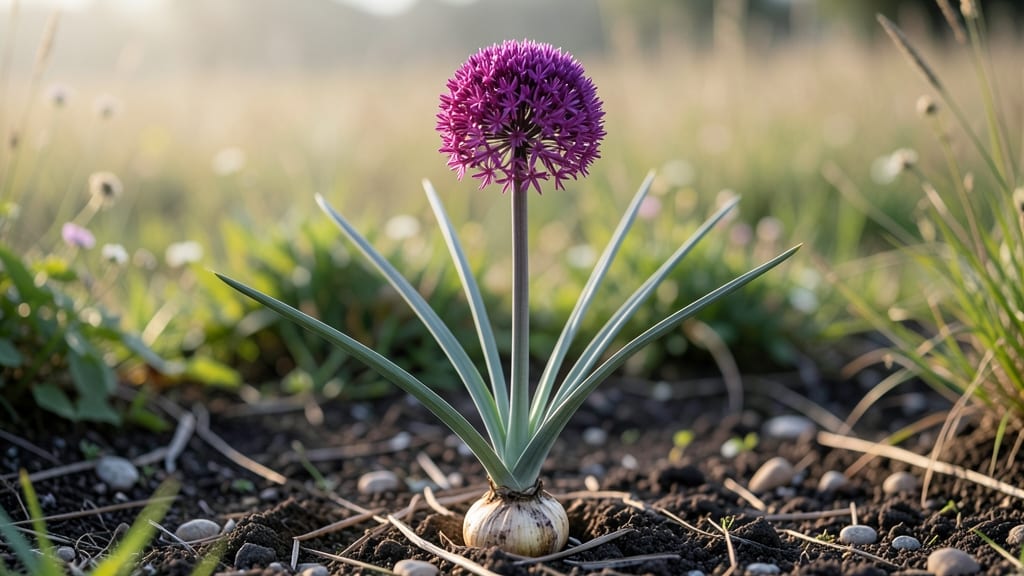
Allium flower bloom time depends on the variety, climate zone, and planting strategy—so knowing when to expect those show-stopping globes of color can make all the difference in your garden.
If you’ve ever wondered why your allium flowers bloom at different times each year—or how to coax earlier or later blooms—understanding their natural bloom cycles is key to mastering your garden’s timing.
From late spring to early summer, alliums like Allium giganteum and Allium sphaerocephalon deliver dramatic height and texture, but their exact bloom windows shift with your USDA zone and planting approach.
Here, I’ll break down when to expect blooms by variety, how climate zones affect timing, and 5 simple tricks to control or extend their display—so you can plan your garden like a pro.
Allium flower bloom time by variety: when to expect blooms in your garden
Alliums are some of the most dramatic and low-maintenance flowers in your garden, with globular blooms that range from tiny golden clusters to towering purple spheres. But their bloom times vary wildly by variety, making it tricky to plan your seasonal displays.
Understanding these differences helps you strategically space blooms for continuous color.
Most alliums bloom in late spring to early summer, but some varieties push boundaries—like Allium moly, which can bloom as early as February in mild climates, or Allium giganteum, which waits until June or July.
The key is matching your local climate zone with the right varieties to extend your garden’s visual interest from early spring through summer.
📋 SUMMARY-TABLE: Allium Bloom Times by Variety
| Variety | Bloom Time (USDA Zone 6) | Height | Color | Notes |
|---|---|---|---|---|
| Allium moly | February–April | 6–12 inches | Golden yellow | Early bloomer; great for winter interest |
| Allium christophii | April–May | 12–18 inches | Pale lavender | Delicate, star-shaped blooms |
| Allium sphaerocephalon | May–June | 18–24 inches | Purple | Round, pom-pom blooms; attracts pollinators |
| Allium giganteum | June–July | 36–48 inches | Purple | Tallest variety; dramatic focal point |
| Allium schubertii | May–June | 24–36 inches | Pink | Soft pink blooms; great for cutting |
| Allium roseum | April–May | 12–18 inches | Pink | Wildflower-like; self-seeds easily |
The earliest bloomers, like Allium moly and Allium roseum, are perfect for winter or early spring color when few other flowers are in bloom.
Their smaller stature makes them ideal for rock gardens or borders, while the taller varieties like Allium giganteum add dramatic height to summer borders or cut flower arrangements.
If you live in warmer climates (USDA Zones 8–10), many alliums will bloom 1–2 months earlier than the table suggests. For example, Allium giganteum might start flowering in May instead of June.
Conversely, in cooler zones (USDA Zones 3–5), blooms may be delayed by 2–4 weeks, especially if winters are harsh.
To extend your allium blooms, consider planting a mix of early, mid, and late-season varieties. For instance, pair Allium moly (February–April) with Allium sphaerocephalon (May–June) and Allium giganteum (June–July) to ensure continuous color from late winter through summer.
This layered approach also creates visual interest as different blooms emerge.
Another trick is to plant bulbs at different times. For spring bloomers, plant in fall (September–October) to allow bulbs to vernalize (experience cold) and bloom earlier. For summer bloomers,
How climate zones shift Allium bloom times: month-by-month adjustments
Climate zones dramatically impact when your allium flowers bloom, with USDA zones 3–10 showing shifts of up to 2 months between regions. In colder zones, spring bloomers like Allium giganteum may wait until May, while warmer zones like zone 10 see blooms as early as February.
Understanding these patterns lets you adjust planting times for consistent color.
Your local frost dates are the biggest predictor of bloom timing. For example, in zone 5, alliums planted in fall often bloom in late May to June, while in zone 8, they may start as early as March.
Strategic planting can shift these windows by 4–6 weeks with simple adjustments to soil and sunlight exposure.
- Zone 3–4: Plant bulbs in September for June blooms (late spring). Use mulch to protect from early frost.
- Zone 5–6: Fall planting yields May–June blooms. For earlier flowers, try vernalization (cold treatment) in winter.
- Zone 7–8: Plant in October–November for March–April blooms. Summer varieties (like Allium sphaerocephalon) bloom in July–August.
- Zone 9–10: Year-round planting possible. Spring blooms appear in February–March; summer types bloom May–June.
Soil temperature plays a critical role in vernalization, the process that triggers blooming. In cooler zones (3–6), allium bulbs need 6–8 weeks below 40°F to set flower buds. If your winters are mild, consider pre-chilling bulbs in the fridge for 6–8 weeks before planting to mimic natural conditions.
For summer-blooming alliums like Allium moly, heat is the trigger. In zone 7+, these varieties often bloom in June–July, but in zone 5, they may wait until August.
To push blooms earlier, plant in well-draining soil with added compost and ensure full sun exposure to accelerate growth.
Deadheading spent blooms can extend the season by 2–4 weeks, especially in perennial varieties. Remove faded flowers regularly to redirect energy to bulb storage, ensuring stronger returns next year. Pair this with light fertilization in early spring (use a 5-10-10 blend) to boost vigor.
Experiment with succession planting to create a continuous display. In zone 6, for example, plant early bloomers (Allium cristophii) in September for spring color, then add late bloomers (Allium schubertii) in October for summer interest. This technique works across all zones with minor timing adjustments.