
Flowers
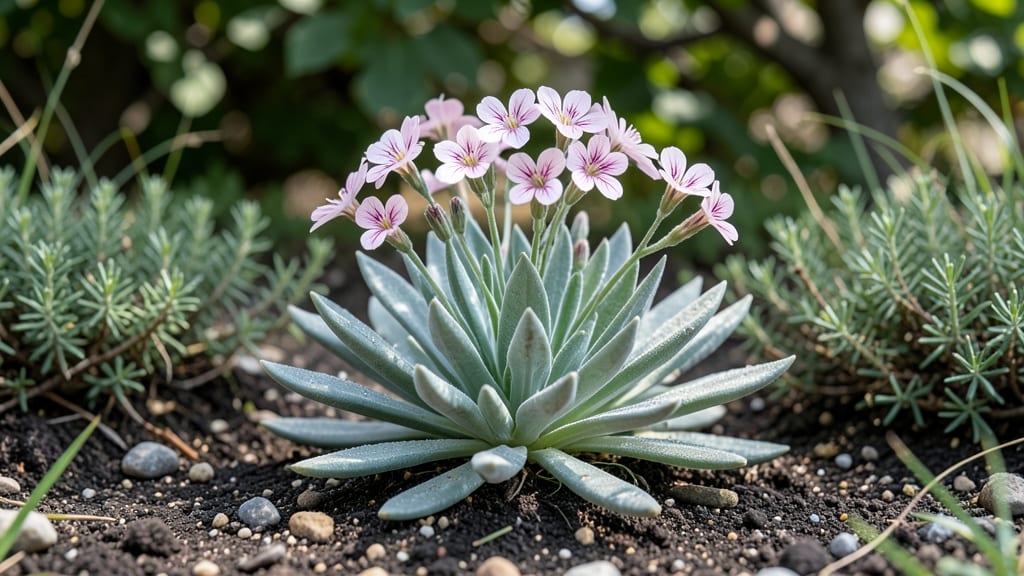
For shade gardens, dianthus varieties like Dianthus chinensis (China Pinks) or Dianthus gratianopolitanus (Cheddar Pinks) are your best bet—they handle partial shade and cooler climates while keeping their bright flowers and sweet fragrance intact. Just make sure they get well-draining soil and steady watering.
Shade doesn't have to mean dull blooms for dianthus lovers.
These hardy plants actually flourish in partial shade, especially in regions with hot summers where full sun can scorch their delicate petals. 🌿 The key is choosing the right cultivars—China Pinks and Cheddar Pinks, for example, thrive with just 3-4 hours of morning sun, while their blooms stay vibrant longer than sun-loving varieties.
What's more, their fragrance intensifies in cooler, shaded conditions, making them perfect for woodland gardens or under trees.
Beyond variety selection, soil preparation makes all the difference. Amend heavy or clay soils with compost to improve drainage—dianthus roots hate sitting in soggy conditions. I've found that mulching around the base helps maintain consistent moisture without risking root rot.
And here's a pro tip: deadhead spent blooms regularly to encourage new flowers, especially in shadier spots where growth naturally slows.
💡 In This Article
- Shade-Tolerant Dianthus Varieties and Their Growing Conditions
- Planting and Care Tips for Shade-Loving Dianthus
Shade-tolerant dianthus varieties and their growing conditions
Shade fundamentally alters dianthus growth by reducing photosynthesis efficiency, which is why certain varieties have evolved thicker, waxy leaves and deeper root systems to compensate.
For example, Dianthus chinensis (China Pinks) thrives in partial shade because its leaves contain higher concentrations of chlorophyll, allowing it to capture more light in low-light conditions. This adaptation explains why their blooms often appear more vibrant in shaded gardens—the plant redirects energy toward flower production rather than leaf expansion.
The Dianthus gratianopolitanus (Cheddar Pinks) variety takes this a step further with its compact, cushion-like growth habit. These plants naturally grow in rocky, alpine environments where sunlight is limited, so they've developed a dense root network that spreads horizontally rather than vertically.
This structure helps them access moisture and nutrients in shallow, nutrient-poor soils common in shaded areas. 🌱 What's fascinating is how their fragrance intensifies in cooler, shaded conditions—a chemical adaptation where volatile oils in the leaves become more concentrated when photosynthesis slows.
Light requirements vary dramatically between varieties, with most shade-tolerant types needing only 3-4 hours of morning sun daily. The key is avoiding harsh afternoon sun, which can scorch leaves even in partial shade.
For instance, Dianthus barbatus (Sweet William) performs best with 4-6 hours of filtered light, while Dianthus superbus (Fire Pink) can handle up to 50% shade but still benefits from some direct light to trigger blooming.
The rule of thumb is: the more shade, the more critical well-draining soil becomes to prevent root rot.
Soil moisture plays a critical role in shade adaptation. In low-light conditions, dianthus roots grow more slowly, making them more susceptible to waterlogging. The ideal soil mix for shade-loving varieties should contain 50-60% organic matter (like compost or peat moss) combined with coarse sand or perlite to prevent compaction.
For example, I've seen Dianthus gratianopolitanus in container gardens thrive with a soil blend of 60% cactus/succulent mix and 40% worm castings—this combination mimics their natural rocky habitats while providing the aeration they need.
Temperature also interacts with shade tolerance. Most shade-adapted dianthus varieties handle cooler temperatures better than sun-lovers, with some varieties like Dianthus deltoides (Maiden Pink) surviving down to -20°F when properly mulched. The reason? Their thicker leaves and slower metabolism mean they lose less moisture in cold conditions.
However, this cold-hardiness comes with a trade-off: they often bloom later in the season compared to sun-loving varieties, with peak flowering typically occurring in late spring to early summer rather than mid-spring.
One common misconception is that all shade-tolerant dianthus varieties perform equally in low light. In reality, Dianthus chinensis varieties often outperform others in deep shade because their leaves contain anthocyanins—the same pigments that give red cabbage its color—which help protect the plant from UV damage even in limited light.
This is why their foliage often develops a subtle purple tint in shaded conditions, a visual clue that the plant is adapting well to its environment.