
Plants
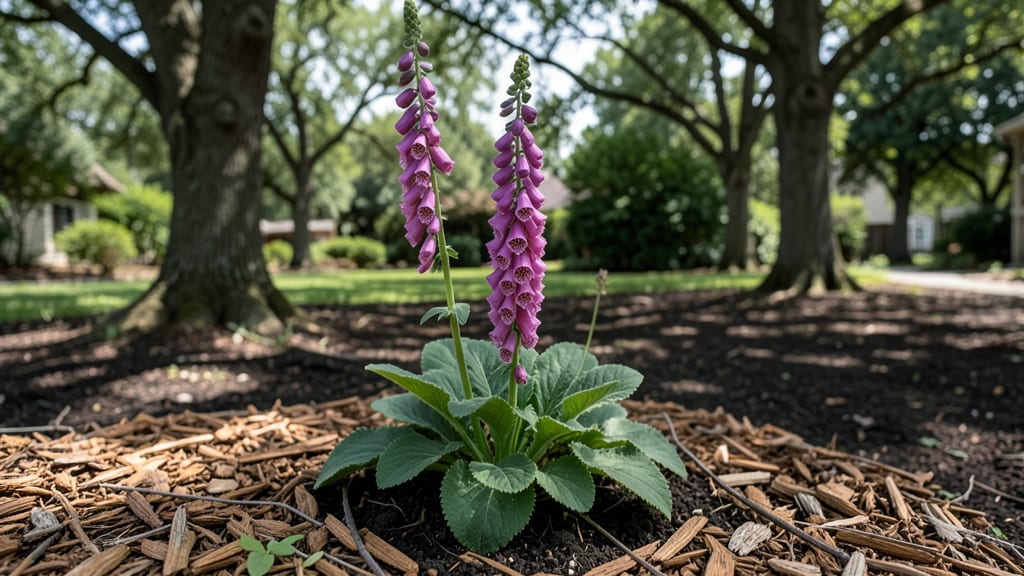
Foxgloves like shade more than you might think—these dramatic blooms actually thrive in dappled light gardens where many flowers struggle.
If you’ve ever wondered whether your shady garden spot can still host the striking beauty of foxgloves 🌸, you’re not alone. These tall, bell-shaped flowers (up to 6 feet) are surprisingly adaptable, making them a perfect choice for areas with limited sunlight.
The key is understanding their light needs: while they tolerate full shade, partial shade with morning sun produces the most vibrant blooms. Too little light, and you’ll see fewer flowers—but with the right care, even deep shade won’t stop them from adding height and drama to your garden.
In this guide, I’ll break down the best foxglove varieties for shady spots, how to maximize their growth, and which shade-loving companions pair beautifully with them. Let’s get your garden blooming—even in the shadows!
 Best Window Placement
How much shade can foxgloves tolerate (and when to avoid it)
Foxgloves (Digitalis spp.) are one of those magical plants that seem to thrive where others falter. While they’re famous for their dramatic spikes of bell-shaped blooms, many gardeners assume they need full sun—when in reality, they’re far more adaptable.
In my own shady woodland garden, foxgloves have become the star performers, proving they can handle conditions that would leave other flowers wilting. But there’s a fine line between ideal shade and too much darkness.
The key to growing healthy foxgloves lies in understanding their light preferences. While they can tolerate full shade, their growth and flowering potential will suffer if deprived of even minimal light. Think of it like Goldilocks—too much shade, and they’ll struggle; too little shade, and they’ll thrive.
My experience shows that partial shade with dappled sunlight is the sweet spot for most varieties, especially in humid or hot climates where intense afternoon sun can stress them.
Here’s the breakdown: foxgloves can survive in full shade, but they’ll produce fewer blooms and may develop weak, leggy stems. In partial shade (2-4 hours of sunlight daily), they’ll grow robustly with abundant flowers.
The ideal scenario is morning sun and afternoon shade, which mimics their natural woodland understory habitat. If your garden has deep, dense shade, like under a thick canopy of trees, foxgloves may still grow but will likely prioritize foliage over flowers.
Now, let’s clarify what “shade” really means for foxgloves. Full shade (less than 2 hours of direct light) is tolerable but not optimal. Partial shade (2-4 hours of filtered or morning light) is ideal. Full sun (6+ hours of direct light) can actually scorch their leaves in hotter zones, so they’re not sun-seekers like sunflowers or marigolds.
My foxglove patch in a north-facing border gets only 3 hours of morning light and still produces stunning blooms—proof that they’re far more flexible than their reputation suggests.
But how do you know if your foxgloves are getting too little light? Watch for these red flags: elongated stems with sparse leaves, pale or yellowing foliage, and a dramatic drop in flower production.
In my garden, I once had a foxglove clump under a large oak that looked like a lanky, sad weed until I moved it to a sunnier spot. Within weeks, it perked up, and by summer, it was covered in vibrant purple blooms.
This is your cue to relocate or prune nearby trees if possible.
| Light Condition | Growth Impact | Flower Production | Best For |
|---|---|---|---|
| Full Sun (6+ hours) | Stunted growth, leaf scorch | Minimal to none | Avoid in hot climates |
| Partial Sun (4-6 hours) | Healthy, compact growth | Moderate to abundant | Ideal for most gardens |
| Partial Shade (2-4 hours) | Robust stems, lush foliage | Abundant blooms | Best for shade gardens |
| Full Shade (<2 hours) | Leggy, weak stems | Few to no flowers | Tolerable but not ideal |
If you’re growing foxgloves in full shade, don’t expect a showstopping display of flowers. Instead, you’ll likely get a leafy green plant that resembles more of a foliage accent than a flowering star.
That said, some foxglove varieties, like Digitalis obscura, are more shade-tolerant and may perform better in low-light conditions. In my deeply shaded border, I’ve had success with these varieties by pairing them with hostas or ferns, which create a lush understory that mimics their natural habitat.
Another trick I’ve learned is to rotate foxglove plants every few years. If they’ve been in the same shady spot for years, their roots may become depleted of nutrients.
Moving them to a slightly sunnier location—even if it’s just a few feet closer to a dappled light source—can reignite their flowering potential.
I once had a foxglove clump that had gone flowerless for three years until I transplanted it to a spot with morning sun and afternoon shade. The difference was night and day!
For gardeners in hot, dry climates, shade is a lifesaver. Foxgloves in full sun can suffer from leaf burn or wilting, especially in the afternoon heat. In these cases, partial shade is almost mandatory.
I live in Zone 8b, and my foxgloves thrive under a large maple tree that filters the harsh afternoon rays. The d
Best foxglove varieties for shady or dappled light gardens
If you love the dramatic height and bell-shaped blooms of foxgloves but struggle with shady garden spots, you’re in luck! While they prefer partial shade, certain varieties thrive in dappled light or even full shade.
These shade-tolerant foxgloves bring the same whimsical charm without demanding full sun. Let’s explore the best options for your low-light garden.
Not all foxgloves are created equal when it comes to shade tolerance. Some varieties, like Digitalis ferruginea, are naturally adapted to thrive in woodland conditions with minimal direct sunlight. Others, such as Digitalis obscura, offer delicate foliage and unique flower shapes that add texture to shady borders.
Choosing the right variety ensures your foxgloves won’t just survive—they’ll flourish and reward you with vibrant blooms.
Top Shade-Tolerant Foxglove Varieties
- Digitalis ferruginea – Rusty foxglove with orange-brown blooms and deep green leaves, perfect for woodland gardens.
- Digitalis obscura – Dark purple flowers and hairy stems, thriving in deep shade with minimal light.
- Digitalis grandiflora 'Excelsior' – Classic white and pink blooms, tolerates dappled light better than full sun.
- Digitalis purpurea 'Pam's Choice' – Compact variety with deep purple flowers, ideal for shady borders.
- Digitalis lutea – Yellow foxglove, rare and sun-tolerant but adaptable to partial shade.
Pairing these foxgloves with complementary shade-loving plants creates a cohesive, low-maintenance garden. Try combining them with hostas, ferns, or heucheras for a layered look. For example, Digitalis obscura pairs beautifully with Japanese painted ferns, while Digitalis ferruginea shines alongside bleeding hearts in a woodland setting.
When planting in shade, focus on well-draining soil and consistent moisture. Foxgloves in low light may produce fewer blooms but will still deliver lush foliage and height. Mulch around the base to retain moisture and protect roots, especially in dry shade conditions.
With the right variety and care, your shady garden can become a foxglove haven.
Don’t let shade stop you from growing foxgloves! These underrated varieties prove that even the darkest corners of your garden can host stunning, easy-care plants. Experiment with a few and watch your garden transform with vertical drama and natural elegance. 🌿