
Plants
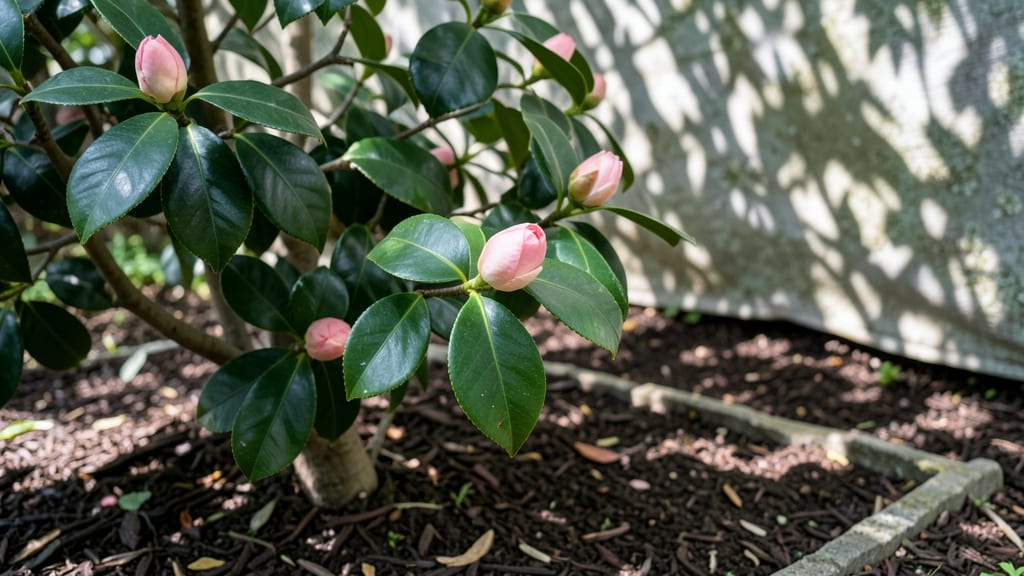
Does a camellia like shade—or does it need more light to bloom beautifully?
If your camellia plant isn’t blooming as expected, its light exposure could be the silent culprit—yet too much sun can scorch its delicate leaves. Understanding whether camellias thrive in shade or need filtered sunlight is the key to unlocking vibrant growth and stunning seasonal blooms.
Most varieties, like the classic Camellia japonica, prefer 3 to 6 hours of morning sun paired with afternoon shade, especially in hotter climates. This setup keeps their glossy leaves lush while encouraging abundant blooms.
Below, I’ll break down how to position your camellia for success—whether it’s under a tree, near a building, or in a container—so you can enjoy those showstopping flowers year after year.
 Best Window Placement
Camellia light requirements: how much shade is ideal for growth?
Camellias are often called the "shade lovers" of the flowering shrub world, but their light needs vary dramatically depending on the variety. While they thrive in partial shade, too little light can stunt blooms, and too much sun risks leaf scorch.
Understanding these nuances ensures your camellia grows lush foliage and produces abundant, vibrant flowers season after season.
The key to success lies in balancing morning sunlight with afternoon shade. Most camellias prefer 3-6 hours of filtered light daily, especially in hot climates. However, Camellia japonica varieties often tolerate deeper shade, while Camellia sasanqua can handle more sun exposure.
Regional differences also play a role—Pacific Northwest gardens may need more sun, while Southern U.S. plants benefit from afternoon shade.
| Variety | Ideal Light Conditions | Bloom Impact | Regional Notes |
|---|---|---|---|
| Camellia japonica | Full to partial shade (3-4 hrs sun) | Max blooms in shade; fewer in full sun | Best for Southern U.S. (afternoon shade) |
| Camellia sasanqua | Partial shade to sun (4-6 hrs sun) | Tolerates more sun; blooms year-round | Thrives in Pacific Northwest |
| Camellia reticulata | Partial shade (3-5 hrs sun) | Large blooms need shade to prevent scorch | Ideal for coastal climates |
For Camellia japonica, which includes many prized varieties like 'Desire' and 'Elegans,' full shade can actually improve bloom quality. These varieties often produce larger, longer-lasting flowers when protected from harsh afternoon rays.
In contrast, Camellia sasanqua, such as 'Yuletide' or 'Kiri no Yuuki,' are more adaptable and can tolerate up to 6 hours of direct sun, making them great for sunnier gardens or containers.
If your camellia isn’t blooming, check for light-related stress signs. Yellowing leaves often indicate too much sun, while sparse or leggy growth suggests insufficient light. Leaf scorch, visible as brown, crispy edges, is a clear warning that your plant needs more shade—especially in afternoon sunlight.
Adjusting the position of your camellia or adding a light sheer fabric screen can help create the perfect microclimate.
In the Pacific Northwest, where overcast skies are common, camellias often need more direct sunlight to compensate. Aim for 4-5 hours of morning sun and protect from harsh afternoon rays. Meanwhile, in the Southern U.S., where summer sun is intense, afternoon shade is critical.
Planting near deciduous trees or using lattice screens can provide the filtered light camellias crave without risking leaf burn.
For container-grown camellias, placement is everything. A north-facing window or east-facing patio offers ideal morning light without afternoon heat. If your camellia is in a pot, rotate it weekly to ensure even light exposure and prevent one-sided growth.
Remember, even shade-loving varieties need some light—full shade can lead to weak stems and few blooms.
Seasonal adjustments are key. In spring and fall, when sunlight is gentler, you can gradually increase exposure. During summer’s peak heat, move potted camellias to shadier spots or use white shade cloth to filter sunlight.
In winter, when days are shorter, supplement with a grow light if your camellia seems lethargic.
Pro tip: Observe your camellia’s foliage color. Dark, glossy green leaves indicate ideal light conditions, while pale or dull leaves suggest too little sun. If you notice buds forming but not opening, your camellia might need more light to trigger blooming.
Conversely, if buds drop before opening, it’s often a sign of heat stress from too much sun.
With the right light balance, your camellia will reward you with seasonal blooms and lush foliage. Experiment with placement and observe how your plant responds—camellias are forgiving but do communicate their needs through leaf color, growth patterns, and bloom production.
A little patience and adjustment will lead to a thriving, flower-filled shrub for years to come. 🌿
Shade vs. sun: how to adjust light for maximum camellia blooms
Camellias adore dappled sunlight, but finding the perfect balance between shade protection and filtered light can be tricky. Too little light leads to leggy growth and sparse blooms, while harsh afternoon sun can scorch delicate leaves.
The key is creating a microclimate that mimics their natural understory habitat—3-6 hours of morning sun paired with afternoon shade.
In my own garden, I’ve learned that supplemental shade is often the game-changer for camellias struggling in full sun. Whether you’re working with container-grown plants or garden beds, small adjustments like sheer curtains or lattice screens can transform harsh light into ideal conditions.
Let’s explore practical ways to fine-tune your camellia’s environment for vibrant blooms and lush foliage.
🌿 Shade Solutions for Camellias
| Solution | Pros | Cons |
|---|---|---|
| Sheer Curtains | Filters harsh sun, easy to install, adjustable | May reduce airflow, needs frequent cleaning |
| Lattice Screens | Durable, allows partial sun, improves airflow | Requires mounting, can look bulky |
| Prune Nearby Trees | Natural shade, long-term solution, improves plant health | Time-consuming, may affect other plants |
| Reflective Mulch | Cools roots, retains moisture, easy to apply | Limited shade coverage, may fade over time |
💡 Pro Tip: For container camellias, rotate pots every few weeks to ensure even light exposure on all sides.
For container camellias, I recommend using white or light-colored pots to reflect excess heat. Place them on a dappled shade patio or under a tree with sparse canopy.
If your camellia is in a garden bed, consider planting taller, fast-growing companions like ornamental grasses or deciduous shrubs to provide natural shade during peak sun hours.
If your camellia is already suffering from sunburned leaves, move it to a shadier spot immediately. Trim any damaged foliage with sterilized pruners and water deeply to help it recover.
In hot climates, even morning sun can be intense, so a lightweight shade cloth (30-50% shade) can be a lifesaver during summer months.
Don’t forget to monitor your camellia’s light needs seasonally. In winter, when days are shorter, your plant may crave more direct sunlight to support bud formation.
Conversely, summer afternoons often require extra shade protection to prevent stress. Adjusting these conditions will ensure your camellia stays healthy and blooms abundantly year after year.
With these simple adjustments, your camellia will thrive in its perfect light microclimate, rewarding you with show-stopping blooms and lush foliage. Happy gardening! 🌸