
Plants
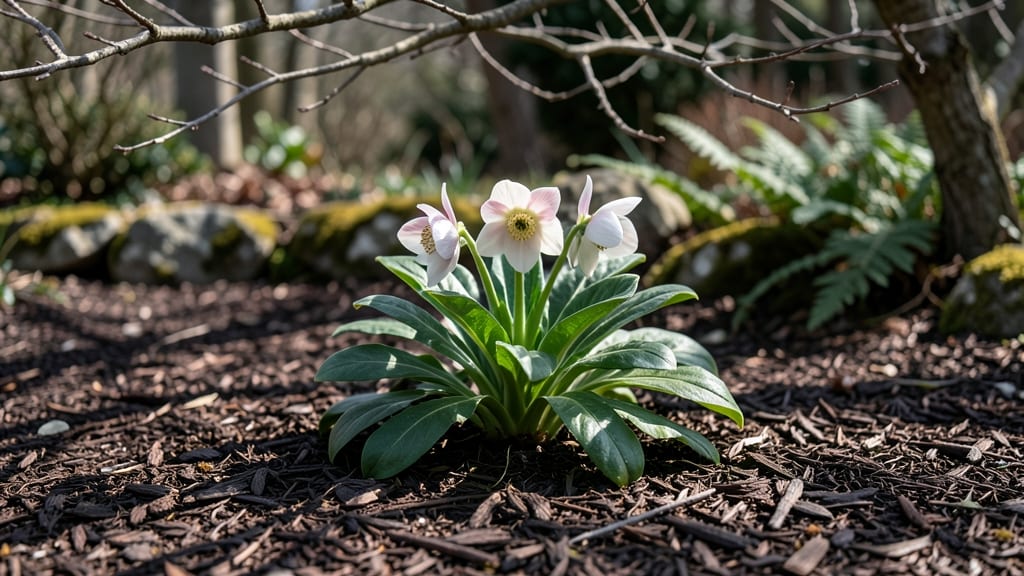
Do hellebores like sun or shade—they adore the latter, flourishing in the dimmer spots where other plants shy away, though a touch of shade keeps them blooming boldly all season.
If you’ve ever wondered why your hellebores bloom so early—often before spring even arrives—you’re not alone. These stunning perennials thrive in conditions most plants avoid, but getting their sunlight right can mean the difference between vibrant blooms and struggling foliage.
In cooler climates like USDA Zone 6a, hellebores handle a few hours of morning sun, but in hotter regions, even dappled light can scorch their delicate leaves. The key is finding that sweet spot: enough light to fuel their growth, but never harsh rays that turn their foliage crispy.
Below, I’ll break down exactly how much shade is ideal, how to spot when they’re getting too much sun, and the best way to position them in your garden for year-round color—without the guesswork.
 Best Window Placement
Hellebores and sunlight: the ideal light conditions for optimal growth
Hellebores are often called the “Lenten roses” because they bloom so early in the season, sometimes even when snow still lingers. Their ability to thrive in low-light conditions makes them perfect for shady garden spots where other plants struggle.
But how much sun do they actually need? Too much sunlight can scorch their delicate leaves, while too little might delay or reduce blooming. Let’s break down the ideal light conditions for these shade-loving beauties.
Most hellebore varieties prefer partial shade, which means they need protection from the harsh midday sun but can tolerate some morning or afternoon sunlight. Think of it as dappled shade—like the light filtering through tall trees or the gentle glow under a pergola.
This balance helps them maintain their vibrant foliage and encourages those stunning early blooms. If you’re in a hotter climate, like USDA Zones 7-9, you’ll want to prioritize shade even more to prevent leaf burn.
Here’s where many gardeners get confused: hellebores can handle full shade in cooler climates, but even then, they’ll appreciate a few hours of indirect sunlight to keep their energy up.
In Zone 5 or colder, where winters are harsher, they can thrive under the dense canopy of trees or along north-facing walls. The key is avoiding intense, direct sunlight, especially during the peak summer months when UV rays are strongest.
| Light Condition | Sunlight Hours | Best For | Bloom Impact | Leaf Health |
|---|---|---|---|---|
| Partial Shade | 2-4 hours/day | Most climates | Vibrant, early blooms | Healthy, glossy leaves |
| Full Shade | 0-2 hours/day | Cooler climates | Fewer blooms, later | Pale leaves, leggy growth |
| Full Sun | 6+ hours/day | Avoid in most cases | Scorched blooms, no flowers | Brown, crispy leaves |
*Note: Adjust for regional heat—hotter areas need more shade.
If you’re planting hellebores in a hot, dry climate, like the Southwest or Mediterranean regions, aim for morning sun only—perhaps 2-3 hours before 10 AM. This gives them a gentle wake-up call without the risk of afternoon heat stress.
In contrast, cooler, wetter climates, such as the Pacific Northwest, can handle more shade with occasional filtered sunlight throughout the day.
One of the biggest mistakes I see is placing hellebores in full sun gardens where they get blasted by afternoon rays. Within weeks, you’ll notice yellowing leaves or even leaf scorch, which looks like brown, crispy edges. If this happens, move your hellebores to a shadier spot immediately.
They’re resilient, but their roots can’t handle the stress of overheating. Mulching with organic matter, like shredded bark or compost, can also help regulate soil temperature and keep roots cool.
The type of hellebore you choose can also influence its light needs. Helleborus niger, the classic Christmas rose, is the most shade-tolerant and can handle full shade in many climates.
On the other hand, Helleborus orientalis, with its vibrant colors, often needs a bit more light to produce its best blooms. If you’re unsure, start with a mixed variety pack—they’ll give you a sense of what thrives in your specific light conditions.
Light affects more than just leaf health—it also impacts bloom time and quantity. Hellebores that get too little light may produce fewer flowers or bloom later in the season. Meanwhile, those in ideal partial shade will often reward you with earlier, more abundant blooms.
In my own garden, the hellebores under my Japanese maple tree bloom in late winter, while those in a slightly sunnier spot near the fence bloom a week later. It’s a small difference, but it makes a big impact on my early spring color palette!
For container gardening, hellebores can adapt more easily to changing light conditions, but they still prefer bright, indirect light. Place them near a north-facing window or under a sheer curtain to filter harsh sunlight.
If you notice your potted hellebores stretching toward the light (a sign of etiolation), rotate the pot every few weeks to ensure even growth. This helps prevent weak, leggy stems and encourages a compact, bushy form.
Regional adjustments are key when it comes to hellebores. In Zone 6 or colder, where winters are long and summers mild, they can handle more shade because the sun isn’t as intense.
But in Zone 8 or warmer, even partial shade might feel like too much sun during the peak of summer. If you’re in a <
Signs your hellebores aren’t getting the right light (and how to fix it)
Hellebores are masters of deception—they bloom in winter when most gardens are dormant, but their foliage health depends entirely on getting the right light. Too much sun causes leaf scorch, while too little shade leads to weak stems and sparse blooms.
Even subtle shifts in light can trigger these problems, especially if your garden’s sunlight patterns change with seasons.
I’ve seen yellowing leaves on hellebores placed under hot afternoon sun, while others in deep shade produced fewer flowers and leggy growth. The key is finding that sweet spot—dappled shade or morning sun—where they thrive without stress.
Let’s troubleshoot the most common signs and fix them before your plants suffer.
⚠️ Do Hellebores Like Sun or Shade?
Hellebores prefer partial shade—2-4 hours of morning sun or filtered light all day. They avoid full sun, which causes leaf burn, and deep shade, which weakens blooms. In hot climates (Zones 7-9), even 2 hours of afternoon sun can be too much.
Quick Fix: Move plants to east-facing beds or under deciduous trees for natural shade. Use lattice screens if needed to filter harsh light.
One of the first signs your hellebores are struggling with light is brown or crispy leaf edges. This is classic sunburn, often appearing on leaves exposed to intense midday sun.
Check the orientation of your garden: south- or west-facing spots are usually the culprits. If you notice this, prune affected leaves immediately and relocate the plant to a shadier spot by midday.
On the flip side, pale green or yellow leaves signal insufficient light. Your hellebores might be stretching toward light, producing long, weak stems with fewer blooms. This often happens in north-facing beds or under dense evergreens.
The solution? Thin out overhanging branches or move your hellebores to a brighter but indirect location, like near a north-facing window if growing in containers.
Seasonal adjustments are crucial. In spring and fall, hellebores can handle more light as temperatures moderate, but summer’s harsh rays demand extra protection. I’ve had success using lightweight shade cloth (30-50%) during peak heat to prevent stress.
For winter blooms, ensure they get at least 4 hours of daylight, even if indirect, to encourage flowering.
Finally, sparse or no blooms often trace back to light issues. Hellebores need consistent, moderate light to set flower buds. If yours are skipping blooms, try gradually increasing light exposure over a few weeks—no sudden moves! For containers, rotate them quarter-turns weekly to ensure even light distribution.
With these fixes, your hellebores will reward you with lush foliage and early-season blooms year after year. Start observing their leaves and stems now—your plants are telling you exactly what they need! 🌿