
Plants
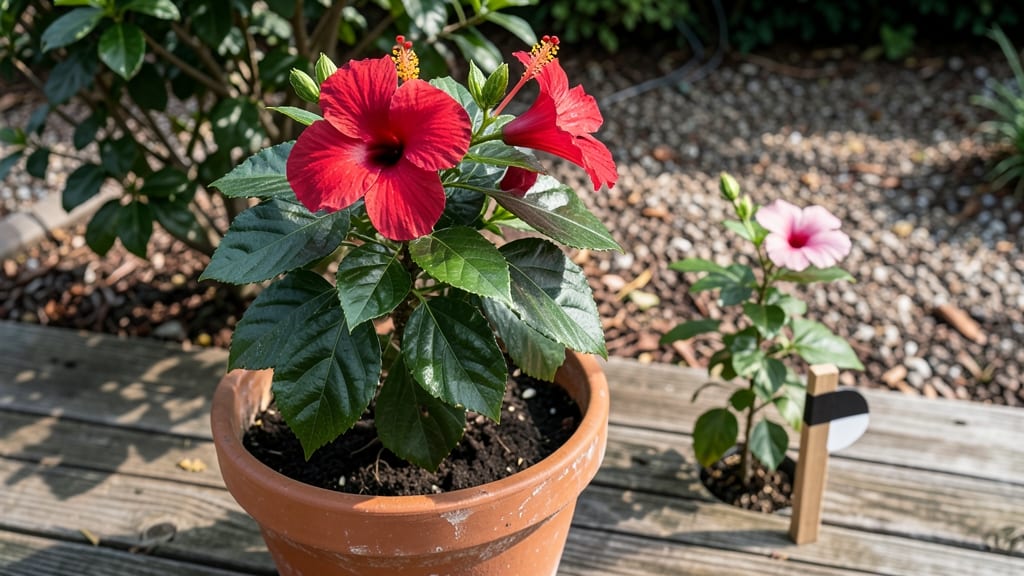
Do hibiscus like sun or shade—actually, they crave the latter’s opposite, needing at least 6 hours of full sun daily to fuel their vibrant blooms and strong growth.
Struggling to keep your hibiscus thriving? The battle between sun and shade could be the secret to those stunning blooms—or the silent killer of your plant’s growth. 🌸
Too little light leads to leggy stems and sparse flowers, while too much scorching sun can stress your plant, especially in hot climates like USDA Zone 6a. The key is finding that sweet spot where your hibiscus gets enough energy to bloom while staying protected from harsh afternoon rays.
In this guide, I’ll break down exactly how much sun hibiscus need, how to spot light-related issues, and practical tips to adjust care—whether you’re growing them in containers or in the ground.
 Best Window Placement
Hibiscus sun requirements: how much light for maximum blooms?
If you're dreaming of vibrant hibiscus blooms that last all summer, sunlight is your secret weapon. These tropical beauties thrive in full sun, but not all hibiscus varieties have the same needs.
Tropical hibiscus (like Hibiscus rosa-sinensis) crave 6-8 hours of direct sunlight daily, while hardy hibiscus (such as Hibiscus moscheutos) can tolerate partial shade in hot climates. Getting this balance right means the difference between lush foliage and stunning flowers or a plant struggling to survive.
I’ve learned the hard way—when my hibiscus gets too little light, the leaves turn yellow, and blooms become sparse. Too much harsh afternoon sun? The edges crisp, and the plant wilts.
The key is finding that sweet spot where your hibiscus gets enough light to flourish without burning out. Let’s break down exactly how much sun your hibiscus needs and how to adjust care based on your climate.
🌱 Did You Know? Tropical hibiscus can actually close their flowers in direct afternoon sun to protect themselves from heat stress—a clever survival trick! This is why morning sun with afternoon shade works so well in hotter regions.
| Hibiscus Type | Ideal Sunlight | Tolerance | Signs of Stress |
|---|---|---|---|
| Tropical Hibiscus (e.g., H. rosa-sinensis) | 6-8 hours full sun | Low shade tolerance | Yellow leaves, sparse blooms, leggy growth |
| Hardy Hibiscus (e.g., H. moscheutos) | 5-6 hours full sun (partial shade OK) | Moderate shade tolerance | Brown leaf edges, fewer blooms, weak stems |
| Dwarf Hibiscus (e.g., H. mutabilis) | 4-6 hours sun (morning sun best) | High shade tolerance | Pale leaves, slow growth, no flowers |
For tropical hibiscus, aim for 6-8 hours of direct sunlight per day. Place them in a spot where they get morning sun and afternoon shade if you’re in a hot climate like Zone 9 or 10.
In cooler regions (Zones 5-7), they can handle full sun all day without issue. I’ve found that south-facing windows or patios work best for container-grown hibiscus, giving them the intense light they crave.
If your hibiscus is struggling with too little light, watch for these red flags: yellowing leaves, leggy stems, and fewer blooms. Move it to a sunnier spot gradually—sudden full sun exposure can shock the plant.
Start with 2-3 extra hours of light per week and monitor its response. Over time, you’ll see darker green leaves and more buds.
Conversely, too much harsh afternoon sun can scorch leaves, especially in dry climates. If you notice brown crispy edges or wilting, provide some afternoon shade with a lightweight fabric or lattice.
Mulching around the base also helps retain moisture and regulate soil temperature, reducing stress during peak heat.
Seasonal adjustments are key. In spring and fall, hibiscus can handle full sun easily, but during summer’s peak heat, even tropical varieties may need partial afternoon shade.
I adjust my care by watering more frequently and avoiding fertilizer during extreme heat—this helps the plant focus on survival, not blooming.
Pro tip: If you’re growing hibiscus in containers, choose a light-colored pot to reflect excess heat. Place it on a drip tray or saucer to catch water runoff, and rotate the pot quarter-turns weekly to ensure even sunlight exposure.
This prevents one-sided growth and keeps your hibiscus balanced and bushy.
Remember, hibiscus are sun worshippers at heart. With the right light balance, you’ll be rewarded with bold, long-lasting blooms that turn heads all season. Start by assessing your hibiscus’s current light conditions, then make small adjustments. Your plant will thank you with vibrant color and healthy growth.
🌸 Ready to experiment? Try moving your hibiscus to a sunnier spot for a week and observe the changes—you might be surprised by how quickly it responds!
Shade tolerance in hibiscus: when and how to protect from harsh sun
Hibiscus plants thrive in bright, indirect light, but they can handle partial shade—especially in hot climates or urban settings. The key is understanding when to provide protection. Morning sun with afternoon shade often works best, while direct afternoon sun can scorch tender leaves.
Container-grown hibiscus may need extra care since they heat up faster.
If your hibiscus is in a hot, sunny location, watch for signs of heat stress like crispy leaf edges or wilting. Even tropical hibiscus varieties can suffer if exposed to intense midday rays without acclimation.
Urban gardeners often face this challenge due to concrete and pavement heat reflecting onto plants.
⚠️ Warning: Hibiscus Sun Sensitivity
Hibiscus prefer 4-6 hours of sun daily, but sudden full sun exposure can cause leaf burn or stunted blooms. If moving from shade to sun, acclimate gradually—start with 2 hours of morning sun and increase by 1 hour weekly. Containers dry out faster, so water deeply during transitions.
For urban gardeners, consider placing hibiscus near east-facing walls or under lightweight shade cloth (30-50% coverage). This filters harsh rays while allowing essential sunlight for photosynthesis. Dwarf varieties like 'Luna Red' tolerate shade better than tall tropical types.
Signs your hibiscus needs more shade include yellowing leaves, drooping buds, or fewer blooms. If leaves feel crispy or papery, move the plant to a shadier spot immediately. Mulch the soil to retain moisture and reduce heat stress during summer afternoons.
Gradual acclimation is critical. If repotting a houseplant hibiscus outdoors, start with dappled shade for a week before introducing direct sun. Container size matters—small pots overheat, while 15+ gallon containers provide better stability for root growth in variable light.
Remember, hibiscus are flexible but not forgiving—balance sun and shade based on your local climate. In Zone 7+, afternoon shade is often necessary, while cooler regions can handle more direct light. Adjust care routines (watering, fertilizing) as you fine-tune the light exposure.