
Light Requirements
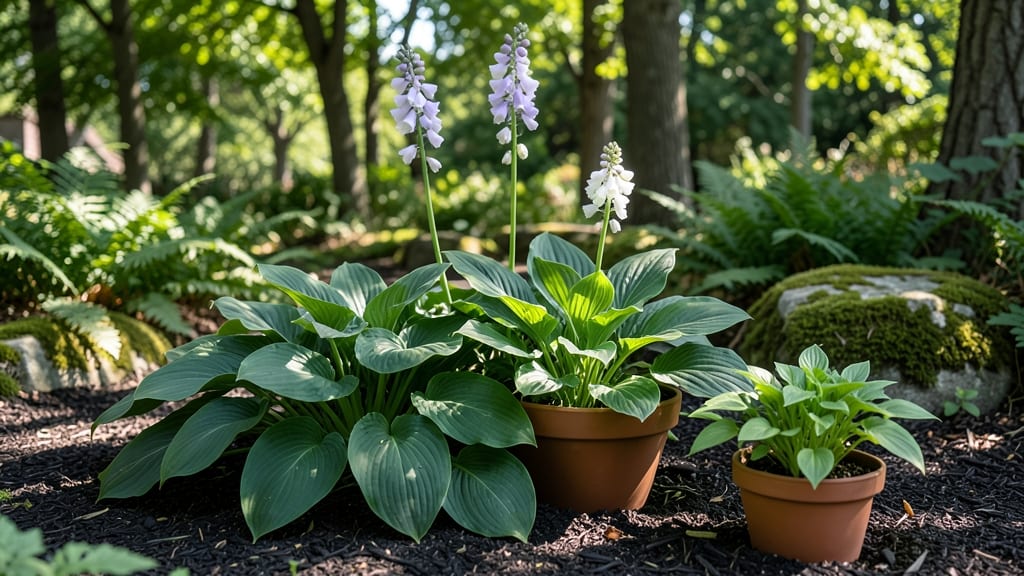
You might think do hostas need shade, but the right balance of light can make all the difference for your lush foliage—too much sun and you’ll end up with crispy edges, too little and your plants may stretch weakly.
If you’ve ever watched your hostas droop or develop yellow patches, you’re not alone. Many gardeners assume these shade-loving plants can handle anything, but the truth is more nuanced. Hostas need partial shade—typically 2 to 4 hours of morning sun—to keep their leaves vibrant and healthy.
In USDA Zone 6a, where spring planting is ideal, choosing the right spot means looking for dappled light or filtered sunlight. Too much direct sun, especially in the afternoon, can scorch their leaves, while deep shade may lead to pale, leggy growth.
Below, I’ll break down how to spot the perfect light conditions, adjust care based on your garden’s microclimate, and pick the best hosta varieties for your space—so you can enjoy those stunning leaves year after year.
 Best Window Placement
Hostas and shade: understanding their ideal light conditions
Hostas are the backbone of shady gardens, but their light needs are often misunderstood. While they love shade, they’re not one-size-fits-all plants.
Some varieties thrive in deep shade, while others tolerate partial sun—but push their limits, and you’ll see stress in the form of yellowing leaves or scorched foliage. The key is understanding how light intensity affects their growth and color.
Most hostas prefer 2–4 hours of direct sunlight daily, with the rest of their day spent in dappled or filtered light. This partial shade mimics their native woodland understory, where they naturally grow beneath tree canopies.
Too much sun causes oxidative stress, leading to brown edges or bleached foliage, while too little light results in weak, pale growth.
Here’s the science: Hostas perform photosynthesis most efficiently in low to moderate light conditions. Their leaves contain chlorophyll and anthocyanins, pigments that react to light. In deep shade, anthocyanins (blue/purple hues) dominate, while partial sun enhances green chlorophyll, creating vibrant variegation.
For example, Hosta ‘Blue Angel’ stays deep blue in shade but may revert to green in full sun.
If you’re planting hostas in a sunny garden, focus on morning light—afternoon sun (especially in hot climates) is far more damaging. Position them where they receive filtered light, like under high-canopy trees or on the north side of structures.
In containers, move them to shade during peak sun hours (11 AM–3 PM) if needed.
Leaf color isn’t just for show—it’s a stress indicator. Blue hostas in full sun may revert to green, losing their prized hue. Meanwhile, green varieties in deep shade can develop pale, weak foliage due to insufficient photosynthesis.
The goal is to match the light intensity to the variety’s tolerance, not just assume all hostas love shade equally.
Pro tip: Test your garden’s light conditions before planting. Use a light meter or observe how nearby plants grow. If ferns and astilbes thrive, your hostas will too.
If only sun-loving plants survive, consider heat-tolerant varieties like Hosta ‘So Sweet’, which handle up to 4 hours of sun better than most.
Mulching plays a crucial role in regulating soil temperature and moisture, which directly impacts how hostas handle light. A 3-inch layer of organic mulch (like shredded bark) helps insulate roots from heat stress in partial sun.
Pair this with consistent watering—hostas in brighter spots dry out faster, even if they’re shade-loving.
Climate matters too. In hot, dry regions (USDA Zones 8–10), hostas need more shade to prevent wilting. In cooler climates (Zones 3–6), they tolerate slightly more sun. Always err on the side of under-planting with shade-loving companions like heuchera or foamflower to create a protective microclimate.
Remember: No hosta thrives in full sun without consequences. Even the hardiest varieties will show signs of stress after prolonged exposure. The secret to lush hostas lies in balancing light, soil moisture, and variety selection—not just throwing them into the shadiest corner of your yard.
Signs your hostas aren’t getting enough (or too much) shade
Hostas are famously shade-loving, but even they can show signs of light stress when conditions aren’t quite right. If your hostas are struggling, it’s often a sign they’re either basking in too much sun or starved for light.
Yellowing leaves, crispy edges, or weak stems are all red flags that need your attention.
Start by observing your hostas’ location—morning sun is usually safe, but afternoon rays can scorch delicate foliage. Even in shady spots, pale green leaves or slow growth may mean they’re craving more indirect light. Let’s diagnose these issues so you can adjust their environment for lush, healthy growth.
⚠️ Warning: Hostas in the Wrong Light
Too much sun: Leaves turn yellow or brown with crispy edges (sunburn). Too little light: Leaves pale, stems stretch weakly (etiolation), and growth slows. Action: Move hostas to 2–4 hours of morning sun or filter harsh afternoon light with tree canopies or lattice screens.
One of the first signs of over-exposure to sun is leaf scorch, where edges turn brown and crispy—almost like they’ve been kissed by a hot iron. This happens when hostas receive more than 4 hours of direct sun, especially in hot afternoons.
If you notice this, relocate them to a spot with dappled shade or provide afternoon shade using a sheer curtain or nearby trees.
On the flip side, underlit hostas often develop pale, washed-out foliage and long, leggy stems as they stretch toward any available light. This condition, called etiolation, weakens the plant and makes it more susceptible to pests.
To fix this, place your hostas in a brighter shade spot—think morning sun with afternoon shade—or supplement with a grow light if space is limited.
Regional sunlight patterns matter too! In hot, dry climates, even partial shade may require extra protection, while cooler, northern regions can handle more light. For example, a north-facing garden in the South might need afternoon shade, whereas a north-facing garden in the Northeast could thrive with morning sun.
Always assess your microclimate before planting.
Pro tip: Rotate your hostas every few weeks to ensure even growth. Uneven light exposure can cause one side of the plant to grow stronger than the other, leading to lopsided foliage.
A simple spin keeps them balanced and healthy. With the right light, your hostas will reward you with bold, vibrant leaves all season long.
🌿