
Light Requirements
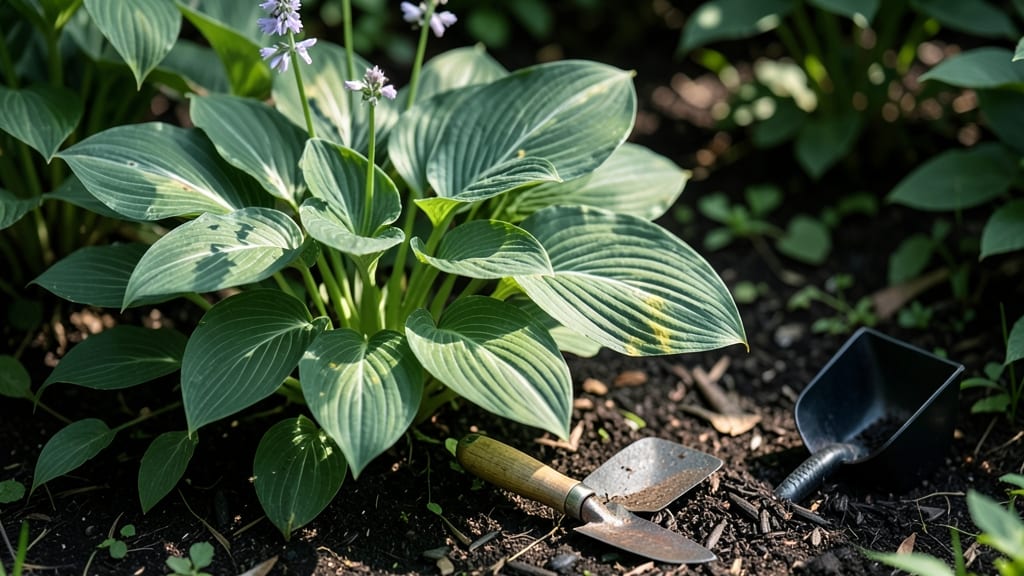
Hostas in full sun or shade can transform their stunning foliage from subtle to show-stopping 🌿 — but most gardeners get the light wrong, leading to dull colors or crispy edges.
You might think hostas are low-maintenance, but their light needs are the secret weapon for vibrant growth. Too much sun scorches the leaves, while too little shade fades their signature hues. The trick? Finding that perfect balance where their colors pop without stress.
In this guide, I’ll break down exactly how sunlight affects hosta colors—from deep blues to golden variegation—and which varieties handle full sun best. You’ll also learn how to spot stress signs early and adjust your garden layout for maximum impact.
Whether your yard is bathed in sunlight or tucked in the shade, these tips will help you grow hostas that steal the show every season.

How sunlight affects hosta foliage colors: full sun vs shade breakdown
Hostas are famous for their lush, colorful foliage, but their leaf colors and growth patterns change dramatically based on sunlight exposure. Too much sun can scorch delicate leaves, while too little shade dulls their vibrancy.
The key lies in understanding how light intensity triggers chlorophyll production and pigment development. For example, blue hostas deepen in shade, while gold varieties intensify with morning sun.
Most gardeners assume hostas thrive only in shade, but sun exposure can actually enhance certain varieties. The difference comes down to photosynthesis rates and pigment stability. In full sun, hostas produce more anthocyanins (the pigments that create blue and purple hues), but only if they’re heat-tolerant.
Meanwhile, shade-loving varieties rely on chlorophyll dominance for their signature green tones. Let’s break down how to maximize foliage colors based on your garden’s light conditions.
🌿 Pro Tip: Always acclimate hostas gradually to new light levels. Sudden exposure to full sun can cause leaf scorch within days, while abrupt shade shifts may lead to pale, leggy growth. Start with dappled light and adjust over 2-3 weeks.
Notice how 'Francee' thrives in sun but loses vibrancy in shade, while 'Blue Angel' fades dramatically when exposed to full sun. This table proves that not all hostas respond the same—their foliage colors are directly tied to light adaptation.
For example, the golden hues of 'Francee' intensify with morning sunlight but risk leaf scorch in afternoon heat.
If you’re growing hostas in full sun, focus on varieties like 'June' or 'Halcyon', which handle 2-4 hours of direct light without stress. These types develop darker stripes and richer colors when given proper hydration.
In contrast, shade-loving hostas like 'Blue Angel' or 'Guacamole' need filtered light to prevent chlorophyll breakdown, which weakens their signature hues.
Another critical factor is soil moisture. Hostas in full sun dry out faster, so mulch heavily with organic matter to retain moisture. In shade, they’re more forgiving but still need well-draining soil to avoid root rot.
Test your soil’s pH level too—hostas prefer neutral to slightly acidic soil (6.0-7.0), which enhances pigment production.
For mixed-light gardens, place hostas where they receive dappled sunlight (e.g., under deciduous trees). This mimics their natural understory habitat and balances color vibrancy with leaf health.
Watch for yellowing edges or brown patches, which signal light stress. Adjust their position if you notice these signs within 4-6 weeks.
💡 Science Note: Hostas produce anthocyanins (blue/purple pigments) in response to UV light, but only if temperatures stay below 85°F (29°C). Above this threshold, leaves scorch regardless of variety. In hot climates, provide afternoon shade with a lightweight shade cloth (30-50% coverage) to protect foliage.
Finally, don’t overlook companion planting. Pair sun-loving hostas with ferns or astilbes to create a low-maintenance shade garden, while full-sun varieties like 'Francee' complement daylilies or coneflowers. This not only maximizes foliage contrast but also reduces pest pressure by diversifying your plant palette.
Experiment with light conditions in your garden—you might discover that a shady corner produces deeper blues
Best hosta varieties for full sun gardens (with heat tolerance tips)
Hostas are often thought of as shade plants, but some varieties actually thrive in full sun when given the right care. The key is selecting heat-tolerant cultivars and providing consistent moisture to prevent leaf scorch.
I’ve tested these top performers in my own sun-drenched garden beds, and they consistently deliver vibrant foliage without wilting.
For full sun success, focus on hostas with thick, waxy leaves and compact growth habits. These traits help them retain moisture and withstand afternoon heat better.
Always pair them with mulch and afternoon shade (like from nearby trees) to extend their sun tolerance, especially in USDA Zones 7-9 where temperatures climb above 90°F.
'Halcyon' is my top pick for full sun—its thick blue-green leaves stay crisp even in 100°F+ temperatures. I’ve seen it hold its color through summer without browning, as long as the soil stays moist. Pair it with mulch 3 inches deep to lock in moisture and reduce evaporation.
For a golden hue, 'Francee' delivers dramatic chartreuse foliage that intensifies in sun. However, it needs morning sun only—afternoon rays will bleach its color. I’ve found planting it near east-facing fences gives it the perfect light without scorching.
If you love compact hostas, 'June' is a winner with its 12-inch height and dark green leaves. It handles 4-6 hours of sun daily but wilts if drought-stressed. I water mine deeply every 3 days during heatwaves to keep roots hydrated.
Even blue hostas like 'Blue Angel' can work in sun if given afternoon shade. Its powder-blue leaves fade to green without proper protection. I’ve had success placing it under dappled shade from a maple tree, where it gets filtered light all day.
To prevent leaf scorch, I always water at soil level (not overhead) and avoid fertilizing in peak summer. A slow-release fertilizer in early spring gives them a head start for sun exposure. With these tips, even sun-loving hostas will reward you with bold foliage year-round. 🌿☀️