
Tools
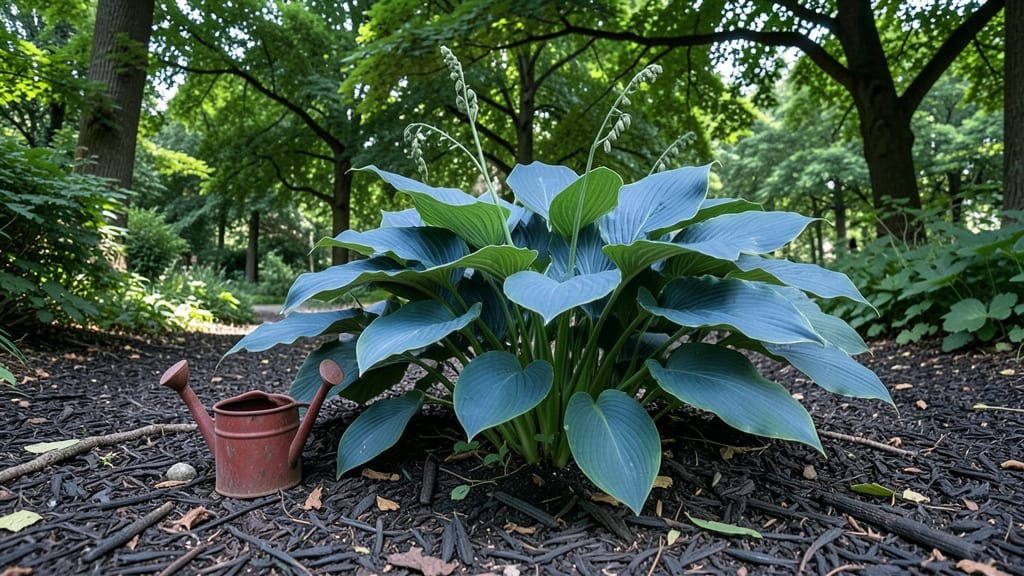
A Japanese shade garden transforms dappled light into a serene retreat where every leaf whispers tranquility. 🌿 I learned the hard way that shade gardens aren’t just about plants—they’re about creating a mood where the eye rests as much as the soul.
The right combination of textures, colors, and strategic placement turns a dim corner into a living painting that changes with the seasons.
The secret lies in playing with asymmetry and natural imperfection—think uneven groupings of hostas, ferns with delicate fronds, and maples that shift from bronze to emerald.
Add a winding stone path or a small moss-covered rock to anchor the space, and suddenly, your garden feels like a quiet corner of Kyoto. Even in low light, these plants thrive, offering lush foliage that stays vibrant from spring through fall.
You’ll end up with a space that feels like a private sanctuary, where the soft rustle of leaves and the occasional trickle of a water feature create a soundtrack of calm.
The key is balancing evergreens for structure with seasonal bloomers for pops of color—like hellebores in winter or astilbes in summer. It’s not about perfection; it’s about harmony.
Works in any shaded backyard, courtyard, or even a balcony with containers. The principles stay the same: let nature lead, and the rest will follow. Here’s how to bring that Zen-inspired vision to life without the overwhelm.
📚 In This Guide
- What you need
- Instructions
- Tips and common mistakes
- Wrapping up and next steps
What you need
- ● Shade-Tolerant Plants (10–20+ varieties): Hostas (e.g., Hosta sieboldiana, Hosta lancifolia) – 5–10 plants
- ● Ferns (e.g., Matteuccia struthiopteris, Dryopteris erythrosora) – 3–5 plants
- ● Japanese Painted Fern (Athyrium niponicum var. pictum) – 3–5 plants
- ● Astilbes (e.g., Astilbe japonica) – 3–5 plants
- ● Hydrangeas (e.g., Hydrangea macrophylla) – 2–3 plants
- ● Japanese Anemones (Anemone hupehensis) – 3–5 plants
- ● Brunneras (Brunnera macrophylla) – 3–5 plants
- ● Heucheras (e.g., Heuchera micrantha) – 3–5 plants
- ● Mulch: Cedar or pine bark mulch (2–3 bags, 2–3 cubic feet each)
- ● Gravel or Sand: Fine gravel or sharp sand (1–2 bags, 50 lbs each) for pathways or borders
- ● Garden Stones: Flat, irregular stones (e.g., slate or granite) – 10–20 pieces, varying sizes (3–12 inches)
- ○ Bamboo or Wooden Fencing (Optional but Recommended): 4–6 ft tall, 8–10 ft sections (for privacy and structure)
- ○ Water Feature (Optional): Small bamboo fountain, moss-covered stone basin, or recirculating stream (1–2 units)
- ● Garden trowel
- ● Pruners or shears (bypass pruners for clean cuts)
- ● Garden fork (for aerating soil)
- ● Wheelbarrow or garden cart
- ● Rake (bow or leaf rake)
- ● Measuring tape
- ● Garden hose with spray nozzle
- ● Kneeling pad (for comfort)
- ● Gloves (gardening or work gloves)
- ● Location: A partially shaded area (dappled sunlight or 3–6 hours of shade daily)
- ● Soil: Well-draining, slightly acidic soil (pH 5.5–6.5). Amend with compost if needed.
- ● Space: Minimum 4’x4’ area (expandable for larger designs)
- ● Water Access: Proximity to a water source for regular (but not excessive) watering
- ● Time Commitment: 4–8 hours for initial setup; ongoing low-maintenance care
How to create a Japanese shade garden for serene privacy
This tranquil garden thrives in shade while delivering lush beauty and peaceful ambiance.
🪴 Step 1: Select the Perfect Shaded Location
Choose a site with dappled or filtered light—think beneath deciduous trees or on a north-facing wall. Avoid full shade where plants struggle to grow. I test locations by placing a white piece of paper on the ground for an hour—if it stays mostly white with just a few light spots, it's ideal. Mark your 8x8-foot area with stakes and string for precision.
Japanese shade gardens often incorporate natural elements like moss-covered rocks or a small stream. If your space lacks these features, create visual interest with a curved stone path (3 feet wide) winding through the center. The path should follow the natural contours of the land, never forcing a straight line.
🌱 Step 2: Prepare the Soil for Moisture-Retentive Growth
Japanese shade plants thrive in rich, well-draining soil with high organic content. Amend your native soil with 3 inches of compost and 1 inch of peat moss to improve moisture retention. I like to add a handful of hydrated lime per square foot to raise the pH slightly—Japanese gardens often prefer a pH of 6.0-6.5 for optimal foliage color.
Work the amendments into the top 6 inches of soil using a broadfork to avoid compacting the roots. For extra insurance against drought, spread 1 inch of bark mulch over the entire area, keeping it 3 inches away from plant stems to prevent rot. This mulch layer will also suppress weeds naturally.
☀️ Step 3: Plant Layered Foliage for Seasonal Interest
Begin with 3-5 hosta varieties (like 'Blue Angel' or 'Francee') as your mid-height anchors, spacing them 2-3 feet apart. Hostas provide bold textures and thrive in shade. Next, add 5-7 ferns (such as Japanese painted fern or autumn fern) around the hostas for delicate, feathery contrast. Place them 18-24 inches apart to allow their fronds to cascade naturally.
For ground cover, use creeping jenkins or ajuga to fill gaps between plants. These shade-loving perennials spread quickly and create a lush carpet. In the corners, tuck in 2-3 dwarf rhododendrons or pieris for winter structure and spring blooms. Water deeply after planting to settle the soil around roots.
💧 Step 4: Install Water Features for Zen Ambiance
A small bamboo water spout or shallow stone dish fountain adds the soothing sound of moving water. Place it near the center of your garden where you'll hear it from your seating area. If installing a spout, bury the 6-inch bamboo tube at a 45-degree angle so water flows gently into a stone basin below.
Surround the water feature with flat river rocks to create a natural border. Arrange them in uneven lines—Japanese gardens embrace asymmetry. Keep the water feature at least 3 feet from plant stems to prevent root rot from excess moisture.
✂️ Step 5: Maintain with Mindful Pruning and Mulching
Prune hostas and ferns in early spring before new growth appears, removing any dead or damaged foliage. I like to use clean, sharp shears and make cuts just above a leaf node to encourage bushier growth. For rhododendrons, trim spent blooms immediately after flowering to redirect energy to next year's buds.
Replenish the 1-inch mulch layer annually in early spring to maintain moisture and suppress weeds. Japanese shade gardens benefit from monthly inspections—remove any invasive weeds by hand (they disrupt the garden's harmony) and adjust watering if leaves appear crispy (too dry) or yellow (too wet).
Tips & tricks for perfect Japanese shade gardens
Creating a serene Japanese shade garden requires attention to detail—here's how to elevate your design beyond the basics.
Location Testing: That white paper test in Step 1 is your secret weapon. Place it on potential sites for an hour on a sunny afternoon—if it stays mostly white with just a few light spots, you've found your perfect dappled light zone. This simple test prevents the frustration of plants struggling in full shade later.
Soil Science: The 6-inch soil depth mentioned for amendments is critical, but don't stop there. After mixing in compost and peat moss, press your finger into the soil—it should feel moist but not soggy. If it sticks to your gloves, you've overdone the peat moss. Japanese gardens thrive in that perfect balance between moisture retention and drainage.
Pathway Precision: When creating that 3-foot wide curved path in Step 1, use a flexible garden hose to outline the curve before laying stones. This ensures your path follows natural land contours without looking forced. Remember, Japanese gardens embrace organic shapes—think flowing rivers, not straight lines.
Water Feature Placement: The 3-foot clearance around your water feature isn't just about preventing root rot—it's about creating visual breathing room. Position your bamboo spout or stone fountain where you'll hear the water from your seating area, but keep it visible from multiple angles. This creates that essential sense of harmony in Japanese garden design.
Pro Tips for Japanese Shade Garden
- Creating a serene Japanese shade garden requires attention to detail—here's how to elevate your design beyond the basics.
- Location Testing: That white paper test in Step 1 is your secret weapon.
- Soil Science: The 6-inch soil depth mentioned for amendments is critical, but don't stop there.
Frequently asked questions
Got questions about creating your own Japanese shade garden? You’re not alone! Here are some of the most common queries—and their answers—to help you design a serene, low-maintenance retreat with confidence.
What plants thrive best in a Japanese shade garden?
A mix of hostas, ferns, heucheras, and Japanese maples (like Acer palmatum) are classic choices. For texture, add mosses and grasses like Hakonechloa macra. Opt for slow-growing, shade-tolerant species to minimize upkeep. Pro tip: Layer plants by height—tall in back, medium in the middle, and low/ground-hugging up front!
How long does it take to establish a Japanese shade garden?
Patience is key! Most shade-loving plants take 1–3 years to fully establish, with noticeable growth in the first season. Mosses and ferns may take longer (up to 5 years) to create that lush, carpet-like effect. Start small with containers if you’re eager for quicker results.
Do Japanese shade gardens need frequent watering?
Not necessarily! Once established, these gardens are drought-tolerant thanks to their dense foliage and mulch layer. Water deeply 1–2 times per week during the first year, then taper off. A 3–4 inch mulch layer (wood chips or bark) helps retain moisture and suppress weeds—just replenish it annually.
Can I create a Japanese shade garden in a small space, like a courtyard or balcony?
Containers
are your best friend for small spaces. Use hanging baskets for ferns or window boxes for trailing plants like Ivy (Hedera helix). Even a 10x10 ft. area can hold a mini zen garden with strategic plant placement and a simple stone path or gravel border.
What’s the best way to deal with pests in a Japanese shade garden?
Prevention is easier than treatment! Neem oil or soapy water sprays work well for aphids or slugs (a common nuisance). Encourage beneficial insects like ladybugs by adding native flowers to the edges. For slugs, set out beer traps or use copper barriers around containers.
How can I add color without sacrificing the “zen” vibe?
Stick to soft, muted tones—think silver foliage (like Lamium maculatum), deep burgundy (Heuchera), or variegated hostas. For subtle pops, add white or pale pink flowers (e.g., Hellebores) or red berries (Ilex crenata). Avoid bright colors to keep the tranquil aesthetic.
Wrapping up and next steps
A Japanese shade garden isn’t just a retreat—it’s a living meditation, blending tranquility with nature’s beauty. Whether you’re drawn to the serene ambiance or the year-round greenery, this space offers peace, privacy, and a touch of Zen.
Start small: sketch your design, gather materials, and let the process unfold with patience. Your garden will grow, just like your connection to it.
🌿 Ready to begin? Take the first step—research local plants, sketch a layout, or even visit a nearby Japanese garden for inspiration. Every leaf and stone is a chance to create something meaningful. Let your garden flourish, one step at a time.