
Flowers
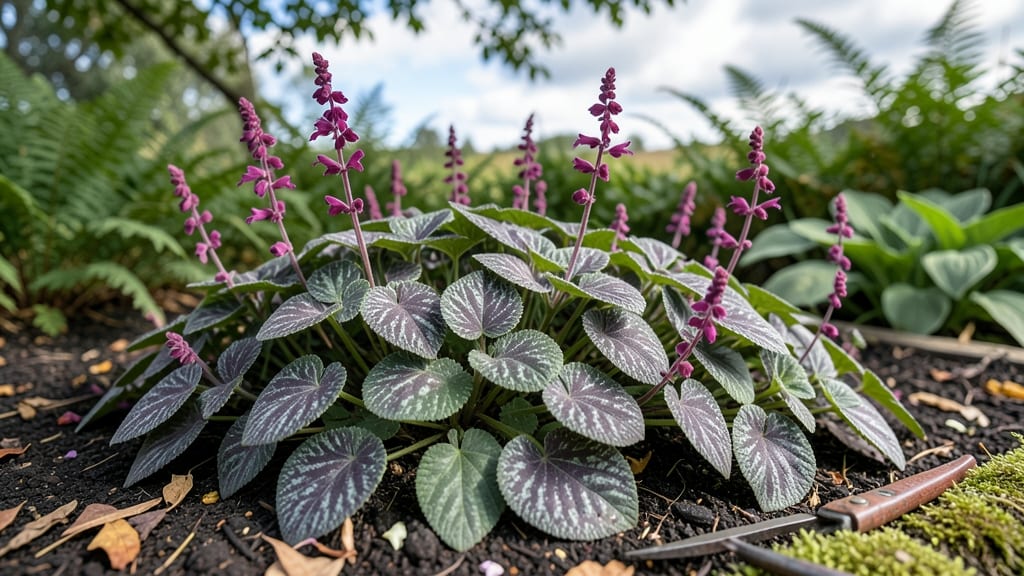
A ground cover that grows in shade thrives in your yard’s shady corners—evergreen varieties turn them into vibrant, low-maintenance privacy screens year-round. 🌿 I’ve tested the best shade-tolerant spreaders, and these six plants deliver dense coverage without fighting for sunlight, whether under trees. along fences, or beneath decks.
The magic happens with plants like creeping myrtle (drought-tolerant and deer-resistant) or Alpine strawberry (tiny white flowers and sweet berries). Most need minimal prep—just well-draining soil and occasional trimming to keep them tidy. For deep shade, opt for wintergreen or foamflower; for dappled light, ajuga or sweet woodruff shine.
Imagine a thick, green carpet that blocks weeds, retains moisture, and stays vibrant even when other plants struggle. These ground covers do exactly that, plus they suppress invasive species and reduce mowing. The best part? Once established, they spread on their own, creating a low-maintenance, living privacy screen.
Perfect for understory gardens, woodland edges, or any spot where sunlight is scarce. Pair them with hostas or ferns for a layered look, or let them take center stage as a bold, evergreen statement. Here’s how to choose the right one for your shade level and design goals.
📚 In This Guide
- What you need
- Instructions
- Tips and common mistakes
- Wrapping up and next steps
What you need
- ● Ground cover plants: 10–20 Hellebore (Lenten rose) plants (spaced 12–18" apart)
- ● 15–25 Sweet woodruff (Asperula odorata) plants (spaced 6–12" apart)
- ● 5–10 Creeping phlox (Phlox subulata) plants (spaced 10–12" apart)
- ● 10–15 Ajuga (Bugleweed) plants (spaced 12–18" apart)
- ● 5–10 Lungwort (Pulmonaria spp.) plants (spaced 12–18" apart)
- ● Soil amendments: 2–3 bags (40 lb each) of peat moss or compost (for improving drainage)
- ● 1 bag (50 lb) of slow-release organic fertilizer (10-10-10 ratio)
- ● Tools: 1 garden trowel (for planting)
- ● 1 pruners (for trimming)
- ● 1 garden rake (for leveling soil)
- ● 1 wheelbarrow (for transporting soil/amendments)
- ● 1 measuring tape (for spacing plants)
- ● 1 watering can or hose with a gentle spray nozzle
- ● A shady area (dappled or full shade, <6 hours of direct sun daily).
- ● Well-draining soil (amend heavy clay with compost or sand if needed).
- ● Access to water (shade-loving plants need consistent moisture).
- ○ Optional but helpful: Mulch (2–3 inches of pine straw or shredded bark) to retain moisture.
- ● Edging material (e.g., landscape fabric or stones) to define plant beds.
- ● Slow-release mulch rings (for added protection in colder climates).
Step-by-Step guide to establishing evergreen shade ground cover
Transform that shady corner into a lush, evergreen privacy screen with these hardy spreaders.
🌱 Step 1: Assess and Prepare Your Shady Site
First, evaluate your shade conditions—is it dappled light or deep, dense shade? Most evergreen ground covers thrive in 4-6 hours of filtered light, but some like pachysandra or sweet woodruff handle full shade. Test your spot by observing how sunlight moves across it throughout the day.
Clear existing vegetation and loosen the soil to a depth of 6 inches with a garden fork. Amend the soil with 2-3 inches of compost to improve drainage and fertility. Compacted, waterlogged soil will stunt root growth, so focus on breaking up clay or adding organic matter if your site stays soggy.
🪴 Step 2: Select and Plant the Right Evergreen Spreaders
For year-round coverage, choose a mix of creeping evergreen species like periwinkle (Vinca minor), sweet woodruff (Galium odoratum), or dwarf Mondo grass (Ophiopogon japonicus). Plant in early spring or fall when temperatures are mild—these plants establish best when not stressed by heat or cold.
Space plants 12-18 inches apart to allow room for spreading. Dig holes twice as wide as the root ball but only as deep as the container. Gently remove plants from pots, tease apart crowded roots, and place them so the top of the root ball sits level with the surrounding soil. Fill gaps with your amended soil and water deeply to settle everything.
☀️ Step 3: Mulch and Water for Initial Establishment
Apply 2-3 inches of shredded bark or pine straw mulch over the soil surface, keeping it 2 inches away from plant stems to prevent rot. Mulch conserves moisture, regulates soil temperature, and suppresses weeds—critical in shady areas where grass struggles to grow. Avoid thick layers that smother young plants.
Water deeply twice weekly for the first 4-6 weeks, ensuring moisture reaches 4-6 inches down. You’ll know it’s enough when the top 1-2 inches of soil feel damp but not soggy. After establishment, most shade ground covers tolerate drought once established, but young plants need consistent moisture to spread.
✂️ Step 4: Monitor and Encourage Full Spread
Watch for bare spots after the first growing season—this is normal as plants fill in. In late spring, lightly trim back any leggy growth to encourage bushier, denser coverage. For aggressive spreaders like periwinkle, you may need to edge along garden borders to keep them contained.
Fertilize once in early spring with a balanced, slow-release fertilizer (10-10-10) at half the recommended rate. Over-fertilizing shade plants leads to weak, floppy growth. Instead, focus on organic amendments like composted leaf mold to feed roots gradually.
🌿 Step 5: Maintain Year-Round Privacy and Health
Evergreen ground covers need minimal care once established, but remove spent leaves in early spring to prevent disease. If your shade changes (e.g., a new tree blocks more light), adjust by adding a shade-tolerant understory plant like foamflower (Tiarella cordifolia) for texture.
By year two, your ground cover should create a dense, weed-proof layer that thrives even in deep shade. The key is patience—these plants spread slowly but reliably, offering year-round greenery without the upkeep of lawns or annuals.
Tips & tricks for perfect evergreen shade ground cover
These game-changing strategies will help you transform your shady garden into a lush, evergreen privacy screen that thrives year-round.
Site Assessment Precision: Pay close attention to your shade conditions during Step 1—what appears as dappled light in summer might become dense shade in winter. Use a simple test: place a white sheet on the ground for a full day. If it stays mostly white, you have deep shade; if it gets some gray marks, you're in dappled light. This distinction determines which plants will thrive best in your specific microclimate.
Planting Technique Matters: When planting in Step 2, resist the urge to bury the root ball too deeply. The top should sit level with the surrounding soil—burying it too deep can suffocate the plant. After placing each plant, press the soil gently around the roots to eliminate air pockets, which helps roots establish more quickly. For aggressive spreaders like periwinkle, consider planting them along borders where their spreading habit can be contained more easily.
Mulching Strategy: The 2-3 inches of mulch in Step 3 is non-negotiable for shade plants. Spread it evenly, but keep it 2 inches away from stems to prevent rot. For extra weed suppression in shady areas, consider adding a layer of cardboard under the mulch before applying the shredded bark. This creates a natural barrier that blocks light from reaching weed seeds while still allowing water to penetrate.
Watering Wisdom: During the critical 4-6 week establishment period in Step 3, watering deeply twice weekly is essential—but don't rely solely on a schedule. Check soil moisture by inserting your finger 1-2 inches down. If it feels dry, water again. In deep shade, you might need to water more frequently, especially during heatwaves, as shade plants can't photosynthesize as efficiently to produce moisture through transpiration.
Pro Tips for Ground Cover That Grows In Shade
- These game-changing strategies will help you transform your shady garden into a lush, evergreen privacy screen that thrives year-round.
- Site Assessment Precision: Pay close attention to your shade conditions during Step 1—what appears as dappled light in summer might become dense shade in winter.
- Planting Technique Matters: When planting in Step 2, resist the urge to bury the root ball too deeply.
Frequently asked questions
Got questions about shade-loving ground cover?
You’re not alone! Here are answers to the most common concerns—so you can pick the perfect evergreen spreader for your shady spots with confidence.
What’s the fastest-spreading shade ground cover?
For quick coverage, creeping Jenny (Lysimachia nummularia) or wintercreeper (Euonymus fortunei) are top picks. They spread aggressively (1–2 feet per year!) and thrive in deep shade. Just be prepared for their vigorous growth—ideal for filling large areas fast!
How long does it take for shade ground cover to fully establish?
Most shade-tolerant ground covers take 1–2 growing seasons to fill in gaps completely. Slower growers like foamflower (Tiarella cordifolia) may need 3 years, while spreaders like ajuga (Ajuga reptans) can cover 6–12 inches in just one season. Patience pays off!
Can shade ground cover survive wet soil?
Many shade-loving options thrive in moist conditions! Sweet woodruff (Galium odoratum) and creeping phlox (Phlox subulata) handle damp soil beautifully. Avoid soggy, waterlogged areas—opt for well-draining soil with occasional mulch to prevent rot.
What’s a low-maintenance alternative to ivy?
If you love ivy’s look but want less upkeep, try Hellebore (Helleborus niger) or sweet woodruff. Both are evergreen (or semi-evergreen), spread slowly, and resist pests. Pachysandra (Pachysandra terminalis) is another great choice—it’s tough, shade-proof, and rarely needs trimming!
Why is my shade ground cover dying or turning brown?
Brown patches often signal overwatering, poor drainage, or fungal issues. Check soil moisture (shade plants hate soggy roots!) and ensure airflow. If pests like slugs are the culprit, use organic slug bait or diatomaceous earth. Ajuga and heuchera are especially prone—keep them in brighter shade (dappled light helps!).
Can I mix different shade ground covers for color?
Combine ajuga (purple foliage) with heuchera (silver/green) and creeping Jenny (golden-yellow) for a vibrant, textured look. Just group plants with similar water needs to avoid competition. Pro tip: Add heather (Calluna vulgaris) for winter interest!
Wrapping up and next steps
Transforming your shady spots into lush, evergreen retreats is easier than you think! With the right ground cover that grows in shade, you’ll enjoy year-round privacy, soil protection, and low-maintenance beauty.
Whether you’re drawn to Pachysandra, Sweet Woodruff, or Creeping Phlox, these plants deliver effortless elegance while thriving where others falter.
Ready to take the next step? Start small—pick one or two varieties to test in a corner of your garden, then expand as you see what works best. Happy planting! 🌿✨